Engineered structural display systems designed to maximize vertical square footage efficiency, improve client merchandising layouts, and support heavy loads reliably.

Exploring the intersection of architectural visual merchandising, structural metallurgy, and distribution logistics for global shoe brands and high-turnover retailers.
In modern retail, visual merchandising directly impacts conversion metrics. Unlike general merchandise, footwear presents unique physical design challenges. Footwear retailers require high-density displays that balance load capacity, modular adaptability, and aesthetic integration. In multi-brand shoe stores, specialty boutiques, and warehouse membership outlets, the physical rack does more than hold inventory; it acts as a critical customer interface. By optimizing linear shelf utilization and sightlines, retail operators can drive dwell time improvements of up to 15% and increase purchase conversions.
From an engineering perspective, modern shoe display fixtures must accommodate varying product profiles—from lightweight athletic trainers to heavy steel-toed boots. This demands high-durability metals, structural versatility, and durable protective coatings. In high-humidity coastal regions or dry, high-traffic retail environments, display materials must resist environmental wear, chemical cleaning agents, and physical impact. High-grade structural steel configurations, combined with precise powder finishes, ensure units maintain their appearance for long-term store layouts.
SEO Semantic Insight: When procurement teams search for "China Wholesale Shoe Displays Suppliers & Exporters," they are evaluating more than unit costs. They require scalable manufacturers capable of delivering structural integrity, modular design flexibility, regional safety certifications, and supply chain resilience.
In industrial retail logistics and commercial warehousing, raw material specifications and safety compliance are critical. High-performance shelving relies on premium materials like structural steel (specifically Q235 and Q345 grades) to achieve optimal stiffness-to-weight ratios. Industrial-grade retail systems must comply with international structural guidelines, such as Europe's EN standards and Australia’s AS4084 guidelines. These standards dictate structural performance under static and dynamic loading conditions.
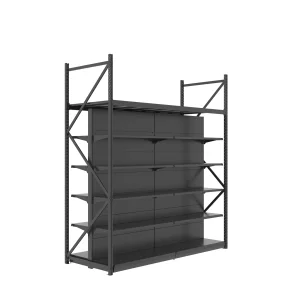
To prevent localized failures under load, manufacturers utilize finite element analysis (FEA) to simulate load distributions on shelf assemblies. Key parameters include vertical post profiles, beam connections, and safety lock mechanisms. For instance, double-sided metallic store fixtures and pallet rack systems must include integrated, heavy-duty beam locks to prevent accidental disengagement from forklift or pedestrian impacts.
Strict alignment with AS4084 and European standards prevents dynamic failures and product damage in high-volume environments.
Adjustable uprights and quick-change components support rapid seasonal floor transitions with minimal labor.
Advanced powder-coated finishes protect displays against rust, impacts, and heavy wear over years of service.
China remains a primary sourcing hub for retail displays and industrial shelving systems. This leadership is built on complete vertical supply chains, raw material accessibility, advanced tooling capabilities, and logistical scale.
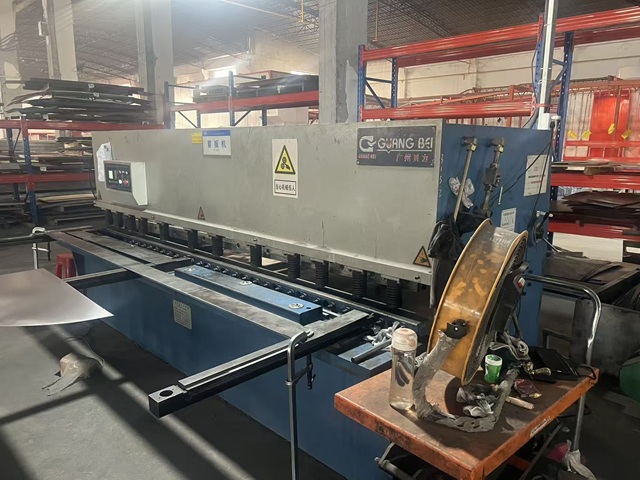
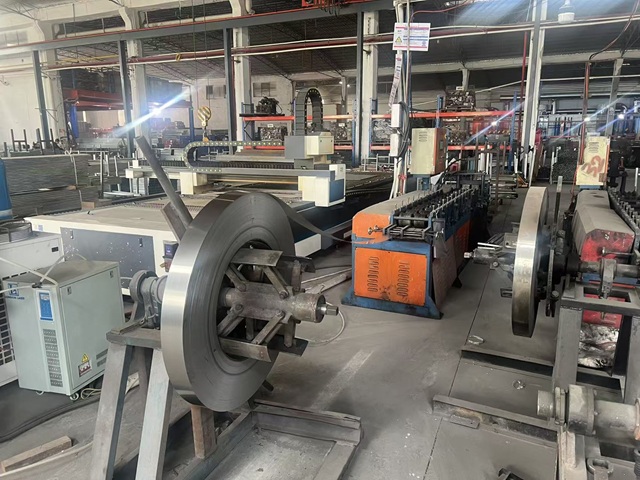
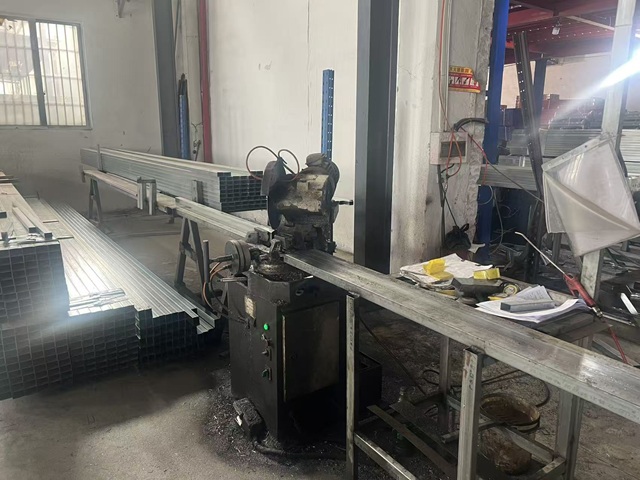
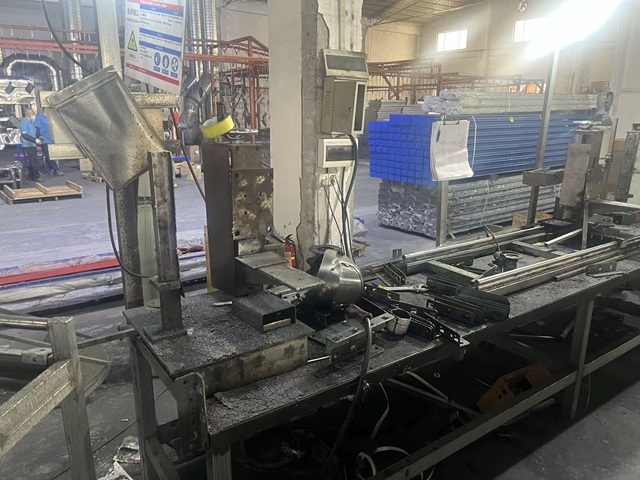
Proximity to key steel producers allows Chinese manufacturers to secure high-quality raw materials with minimal transit costs. From automated laser cutting to robot-assisted welding, manufacturing facilities integrate computerized production systems that ensure uniform tolerances. This level of automated precision reduces assembly variations, speeding up field installation for massive multi-million dollar procurement rollouts. Additionally, the ability to rapidly produce custom tooling allows factories to deliver tailored prototype designs within days, compared to weeks for local fabricators.
A Premier Industrial Manufacturer of High-Load Shelving Systems and Retail Store Displays
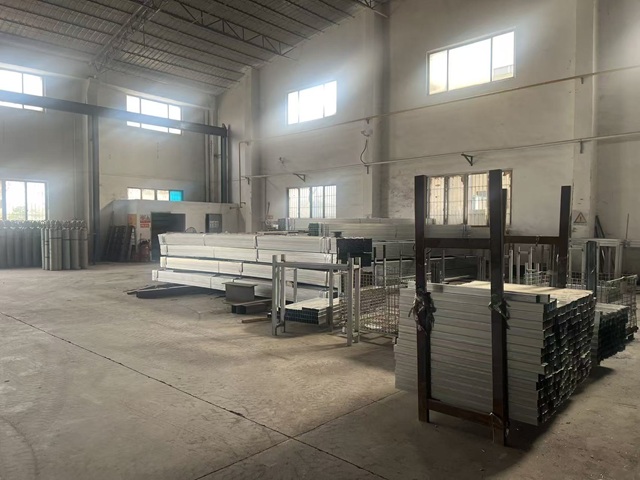
Established in 2019, Chengdu EcosystemRack Industrial Technology Co., Ltd. operates from an expansive manufacturing facility covering 18,000 m². Backed by 8 years of industry experience and 5 years of global export history, we generate $8,500,000 in annual export revenue. Our production output satisfies demanding global procurement standards and structural requirements.
Maintaining rigorous quality compliance under TUV Rheinland and AS4084 standards, we apply Automated Optical Inspection (AOI) and Salt Spray Corrosion Testing supervised by 18 experienced QC engineers. Our primary business is driven by Factory Direct Buyers, Material Handling Equipment Wholesalers, and System Integrators, with key export markets spanning Eastern Europe, Central Asia, and East Asia. Partnering with 450 reliable supply chain vendors, we offer custom ODM/OEM solutions, including modular rack configurations, specialized beam locks, and anti-static coatings. Driven by a nimble team of 25 R&D engineers, we released 45 new product designs over the past year.
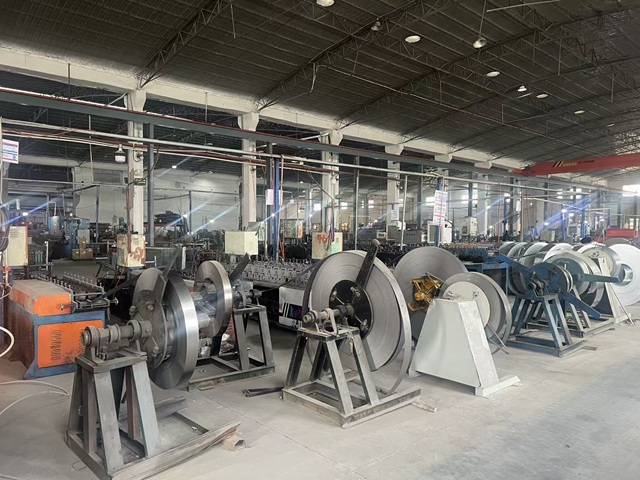
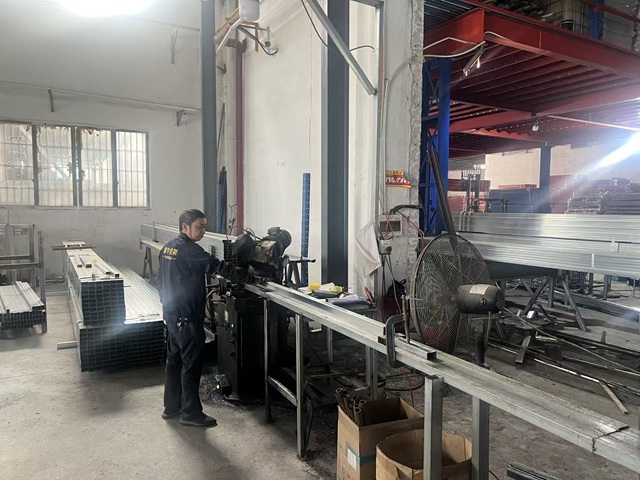
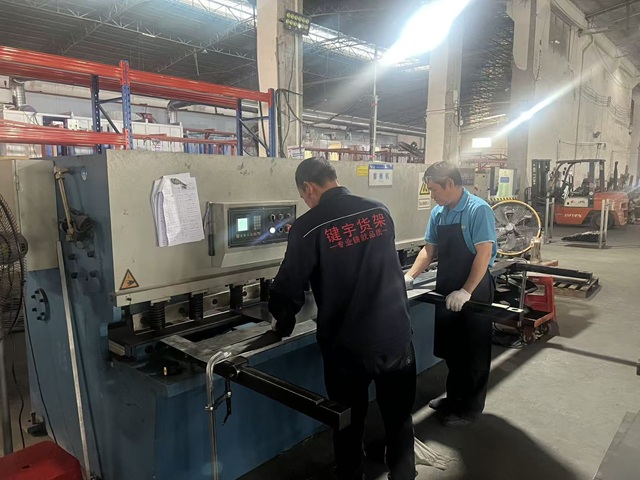
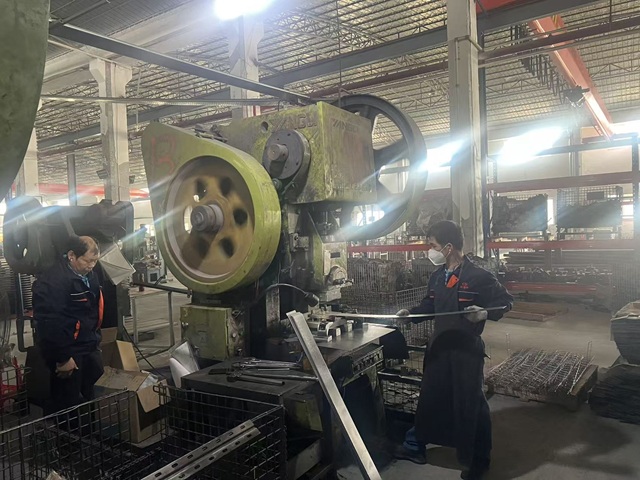
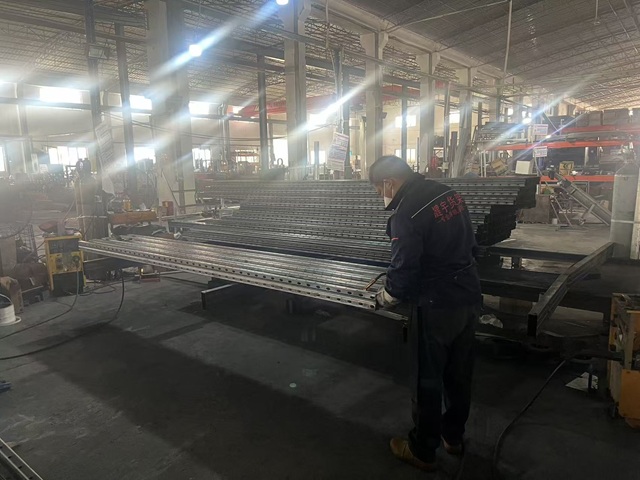
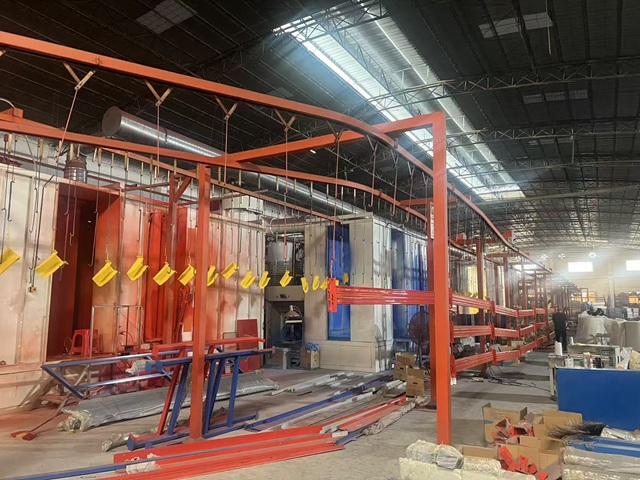
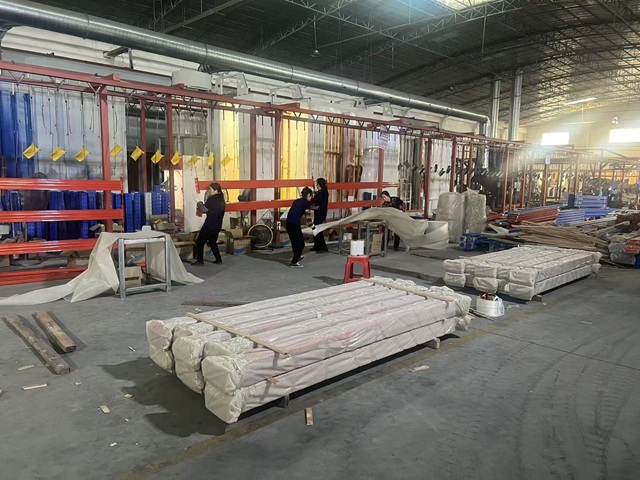
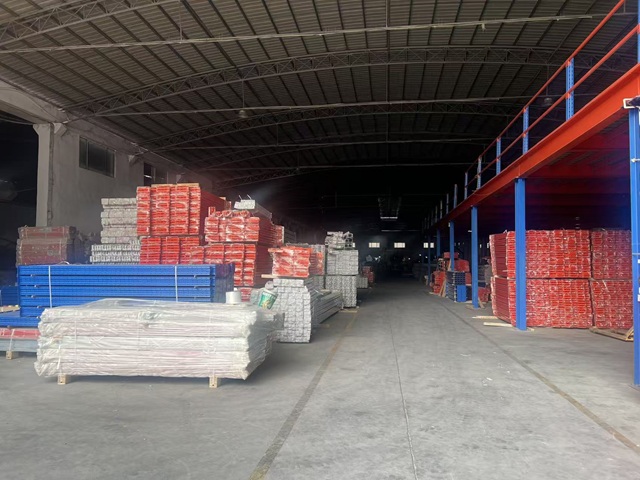
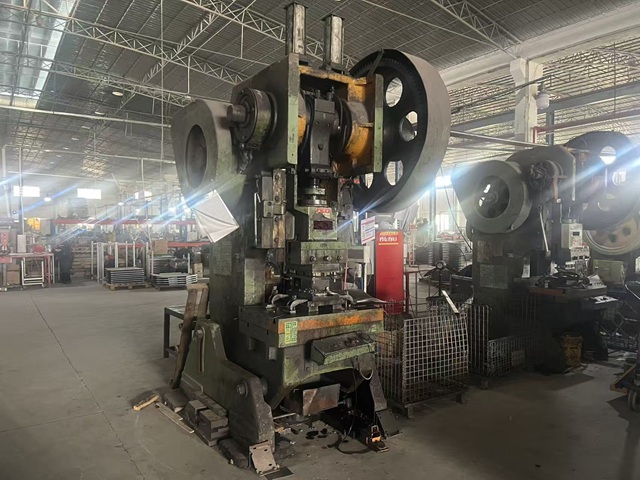
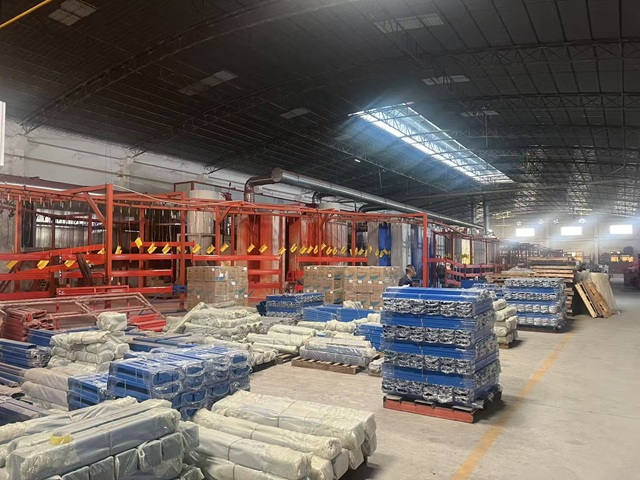
Different markets require distinct display footprints. Here, we outline the structural and design requirements of major retail environments globally.
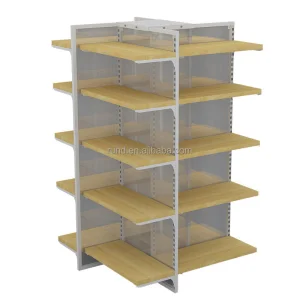
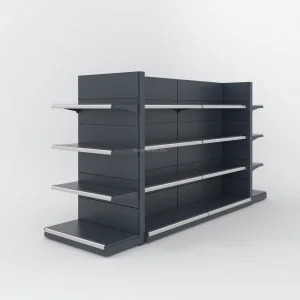
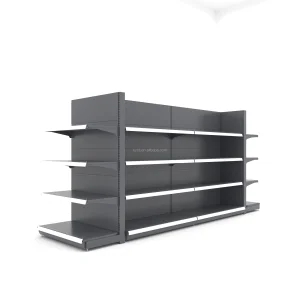
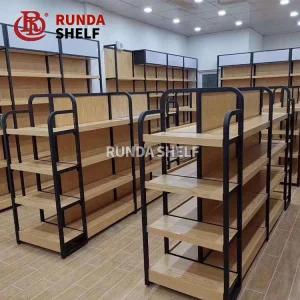
In high-volume hypermarkets, shoe displays must endure constant customer contact and heavy stock loads. Double-sided metallic shelving units and four-sided windmill gondolas are ideal configurations here. They optimize floor footprint while providing multi-angle visibility. Incorporating wooden accents on metallic frames creates an premium look that elevates mid-tier footwear brands without compromising structural durability.
Specialty footwear retailers focus heavily on visual storytelling and store aesthetics. Boutique spaces demand modular steel-and-wood combination systems (like the RD 38) that offer slim profiles, clean lines, and integrated under-shelf LED lighting. The display system must adapt to changing seasonal assortments—such as tall winter boots versus low-profile running shoes—using height-adjustable shelves and movable brackets.
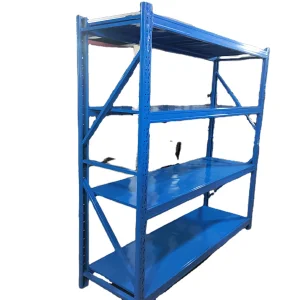
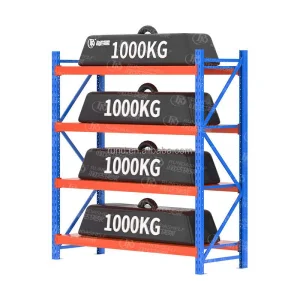
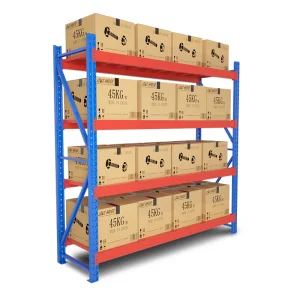
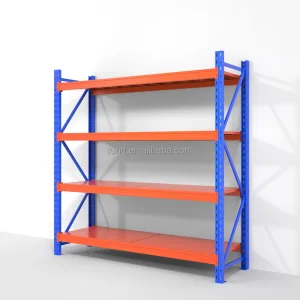
Warehouse clubs use high-density layouts where merchandise is displayed on shipping pallets beneath overhead pallet racks. Sourcing directors look for heavy-duty metal shelving with high static load ratings (often exceeding 1,000 kg per level) to safely store and display boxed inventory. These layouts utilize hot-dip galvanized finishes and high-grade steel frames to withstand forklift loading and pallet movement.
Experienced purchasing and procurement directors focus on four primary operational metrics:
Practical technical answers to help enterprise sourcing agents, system integrators, and material handling wholesalers evaluate display and racking structures.
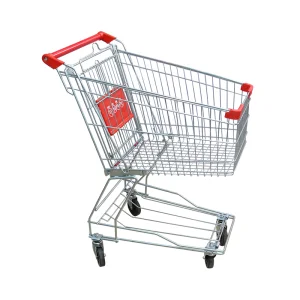
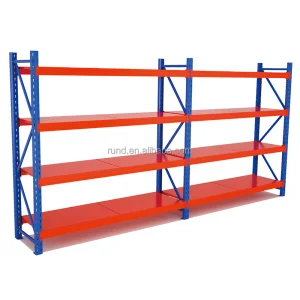
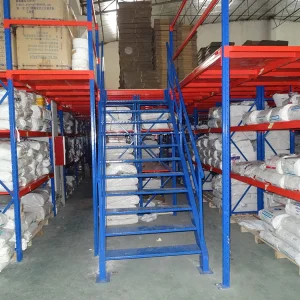
Highly durable warehouse racking, retail checkout stations, shopping carts, and industrial storage shelves to streamline operations and logistics.
 EcosystemRack