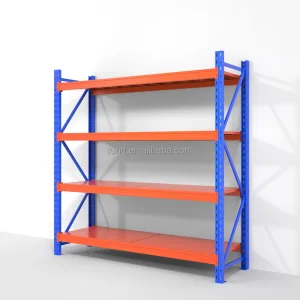
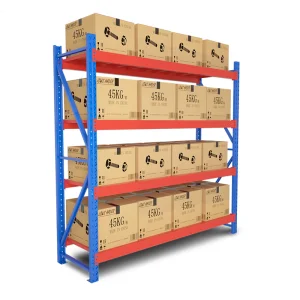
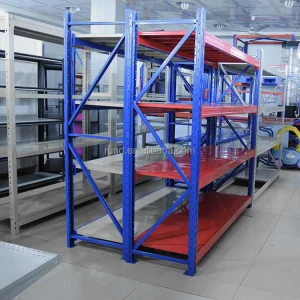
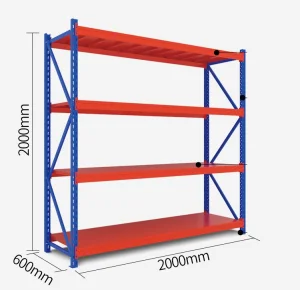
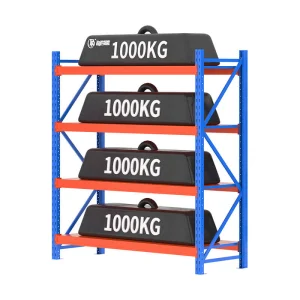
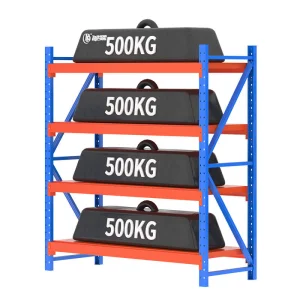
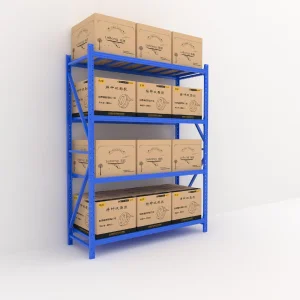
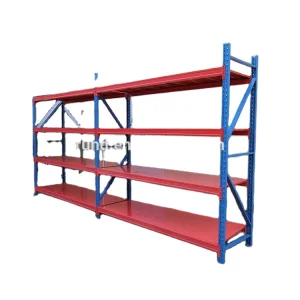
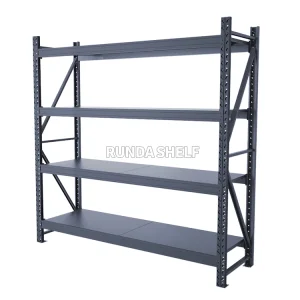
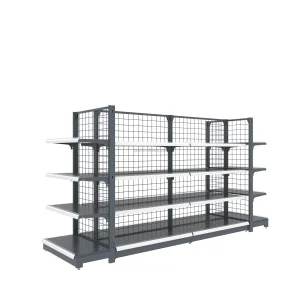
Heavy-duty to medium-duty industrial storage racks engineered for maximum payload integrity and vertical density optimization.
As supply chain logistics transition towards rapid item level order fulfillment and high SKU density, medium-duty warehouse shelves (100–300KG load capacity) have emerged as critical structural assets. Acting as a bridge between light-duty retail racks and massive high-load heavy pallet racking, these modular systems are the unsung heroes in modern material handling environments.
Historically, facilities struggled to find storage profiles that could hold semi-heavy cartons, tooling components, and automotive spares without incurring the capital expenditure of structural pallet framing. Our engineering research indicates that optimizing storage with dedicated 100–300kg modular structures improves space utilization efficiency by up to 38% and speeds pick cycles by positioning intermediate hand-loaded inventory in easily accessible structural tiers.
"System adaptability, beam deflection standards under load, and precise corrosion protection are no longer optional. They are key requirements for contemporary material handling compliance across global distribution hubs."
Building high-reliability industrial rack structures backed by verified laboratory QA procedures and globally recognized certifications.
Our products maintain compliance under TÜV Rheinland and AS4084 structural steel racking protocols, ensuring safety, structural strength, and loading compliance across target load limits.
Every rack batch undergoes Automated Optical Inspection (AOI) for precise welding profile integrity, coupled with Salt Spray Corrosion Testing to ensure powder-coat long-term durability.
Supported by a supply network of over 450 vendors, our R&D group offers customizable modular sizing, special locking mechanisms, and specialized anti-static finishes.
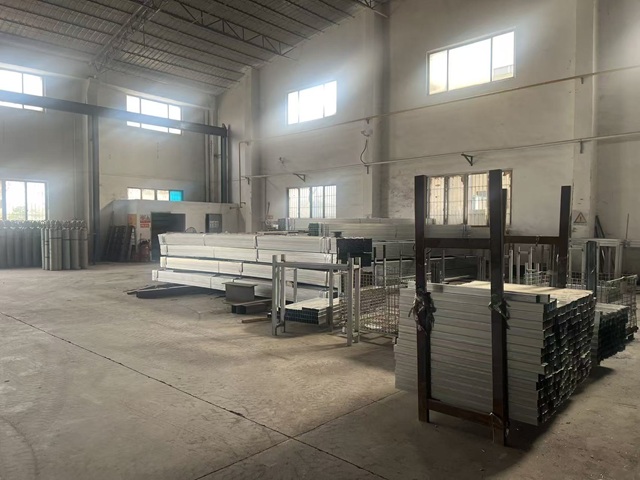
Chengdu EcosystemRack Industrial Technology Co., Ltd. uses vertical supply chain integration to optimize costs and lead times. By grouping raw steel sourcing, stamping, bending, and powder-coating within our 18,000m² site, we eliminate secondary handling delays.
Our manufacturing processes leverage automated sheet-metal processing lines to ensure high structural repeatability. For instance, the transition from manual welding setups to robotic integrated welding stations has increased output consistency while reducing internal steel tension.
Additionally, we utilize smart material tracking system tools. This operational method links material entry schedules with active shearing, bending, and punching lines, keeping work-in-progress inventory low and enabling fast processing for custom configurations.
This operational model allows global procurement teams to secure high-performance, compliant storage infrastructure at competitive price points.
A step-by-step look at our industrial machinery and precision manufacturing flow, from raw material arrival to final secure packaging.
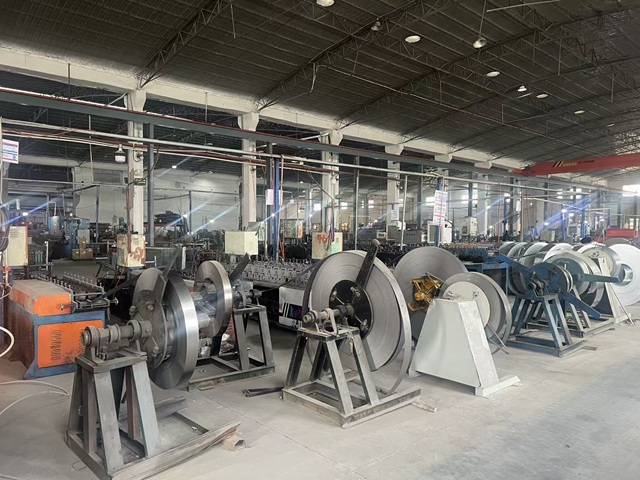
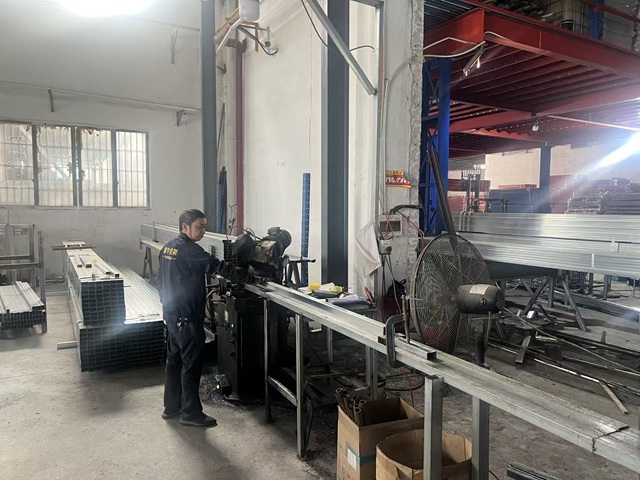
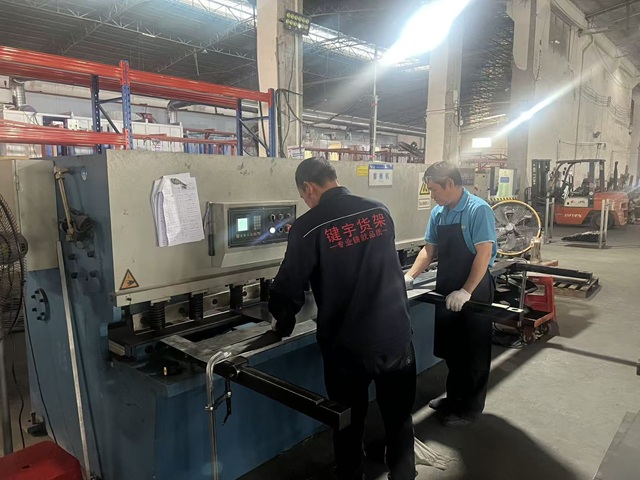
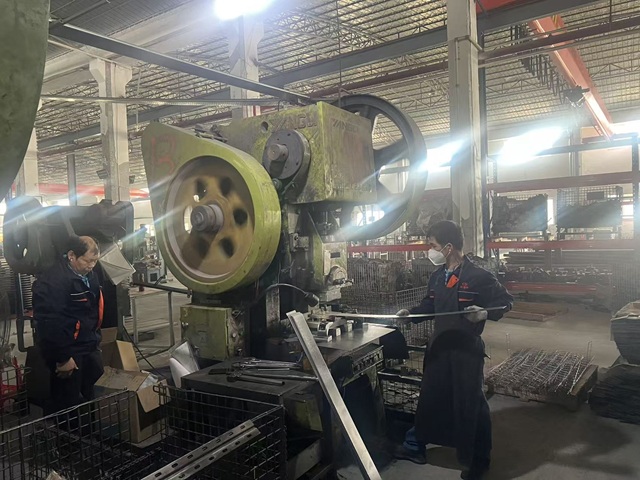
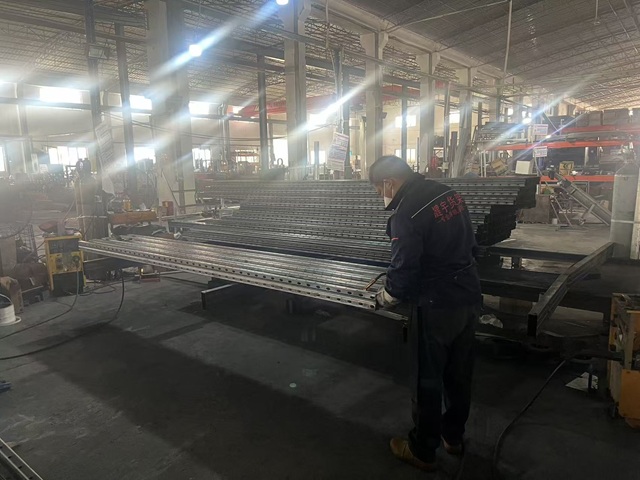
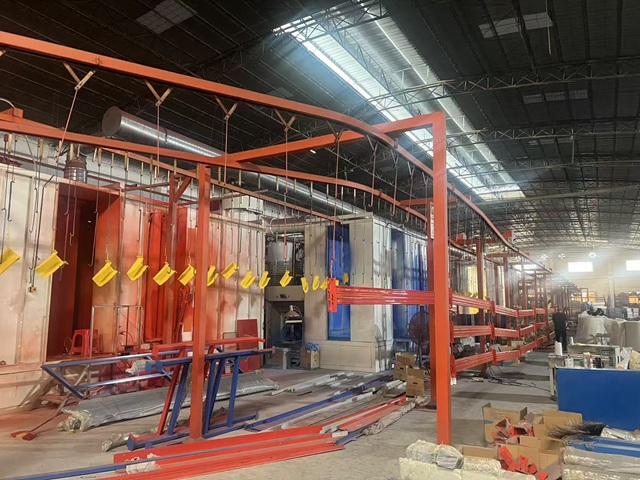
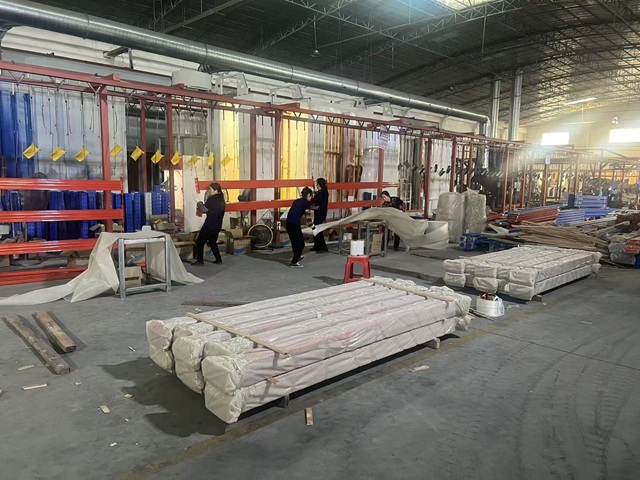
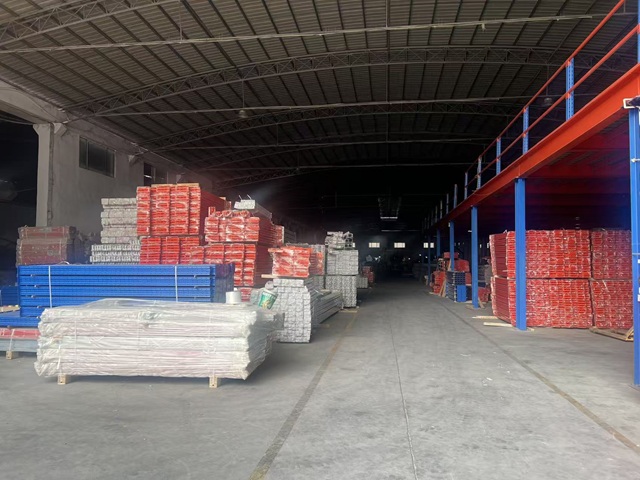
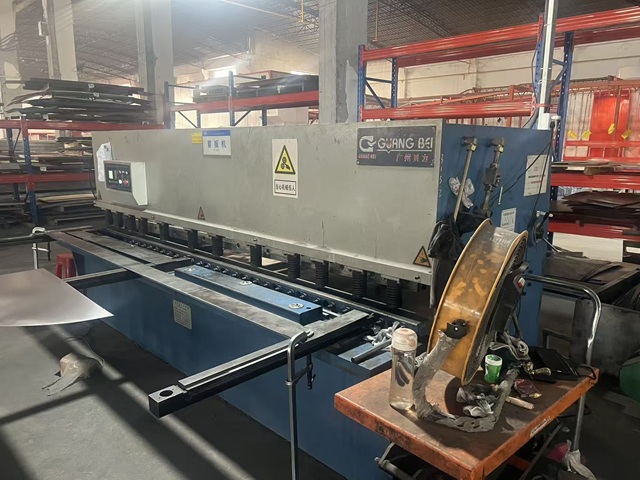
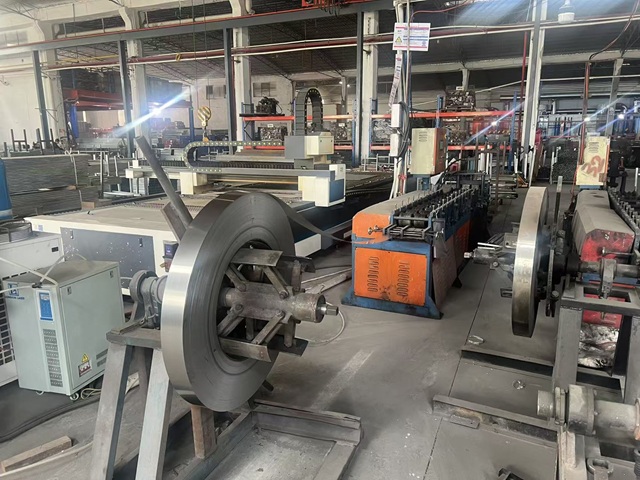
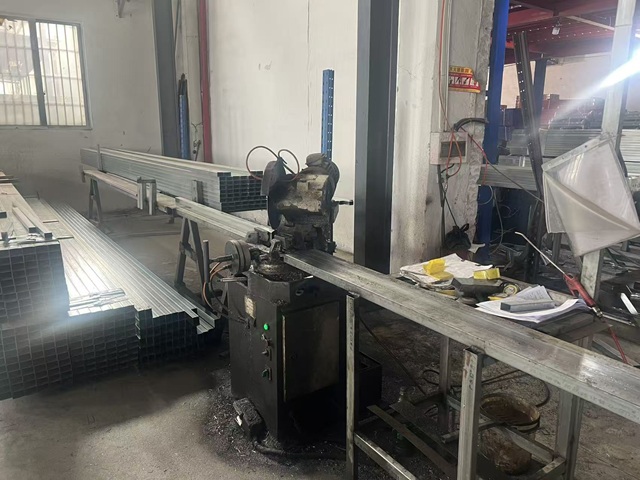
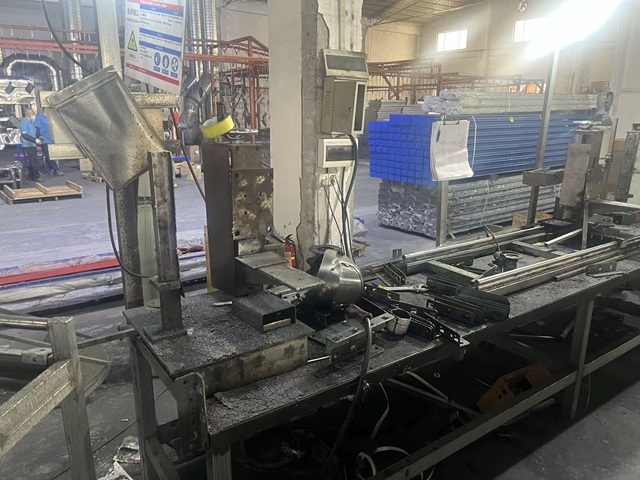
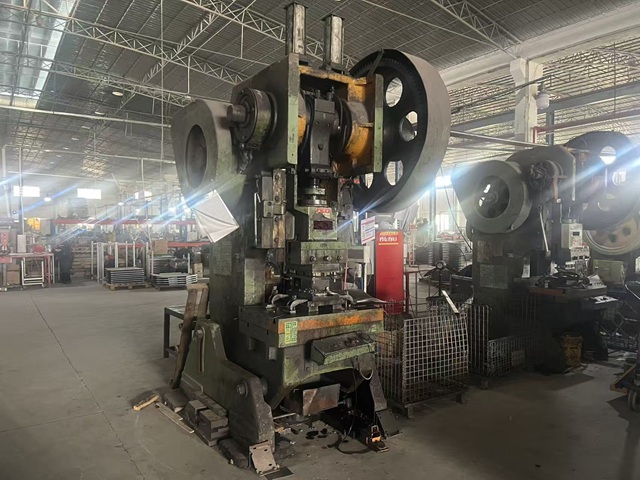
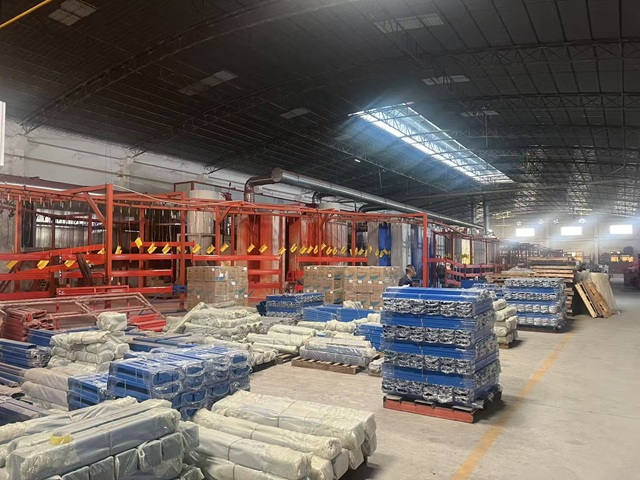
How medium-duty (100–300kg) shelving configurations solve operational bottleneck tasks in target industries.
For high-turnover fulfillment centers, these racks provide accessible open-front shelving for SKU bins, reducing retrieval times for workers picking light-to-medium retail items.
Designed to withstand concentrated point-loads such as brake rotors, alternator assemblies, and engine castings without structural bowing or structural failure.
Finished in food-safe, non-toxic epoxy coatings, these configurations withstand environments down to -30°C without paint peeling, material embrittlement, or structural failure.
The material handling industry is moving away from rigid, welded-in-place configurations. Modern multi-tier layouts prioritize boltless, modular, and dynamic rack systems that allow teams to reconfigure shelf heights on the fly as product packaging dimensions evolve.
In parallel, environmental compliance dictates the use of heavy-metal-free powder coatings. Our processing lines use electrostatic powder systems that emit zero Volatile Organic Compounds (VOCs) and provide cross-linked resistance to impacts, scratching, and chemical contact.
Finally, integration with Automated Guided Vehicles (AGVs) and Autonomous Mobile Robots (AMRs) requires floor anchorage stability and tight level tolerances. This trend highlights the importance of precision manufacturing for rack upright columns and baseplates.
When deploying racking in regions with seismic activity, engineering teams must calculate appropriate deflection limits. For safety under loading:
Essential parameters to review when evaluating medium-duty racking systems for compliance and safety.
Always request mill certificates for the steel coil feedstock. Premium systems utilize structural Q235B steel with yield strengths above 235 MPa, ensuring elastic recovery after loading cycles.
Verify that the manufacturer uses a multi-stage chemical pre-treatment wash (degreasing, phosphating, acid-pickling) before applying powder coating. Without this prep, paint adhesion drops, leading to corrosion and peeling.
Avoid suppliers that only offer calculated ratings. Work with partners that provide physical load test reports documenting the actual failure point of a beam under a specific payload configuration.
Confirm that connector slots use standard industry designs (such as butterfly or teardrop configurations). This ensures you can source compatible accessories and decking panels in the future.
Answers to common structural engineering, procurement, and installation questions about medium-duty warehouse shelving.
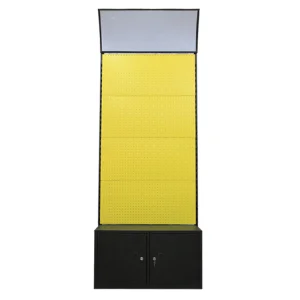
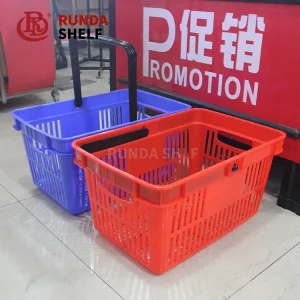
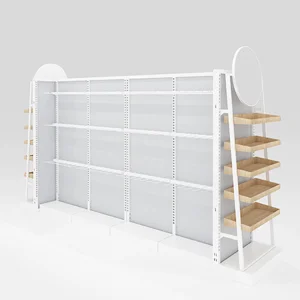
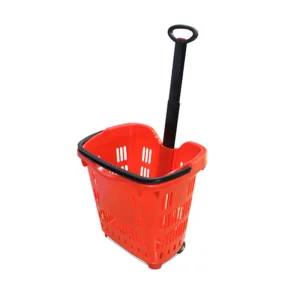
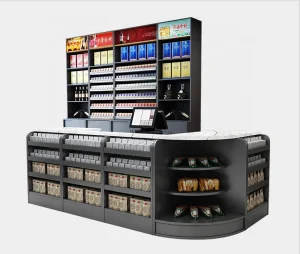
Discover our broader catalog, including space-saving warehouse racking, modular hardware display stands, and retail shopping accessories.
 EcosystemRack