Engineered for retail longevity, smooth handling, and optimized customer ergonomics.
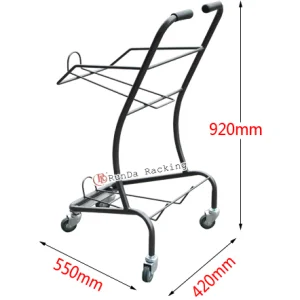
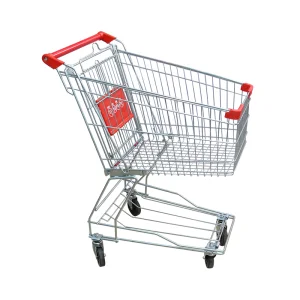
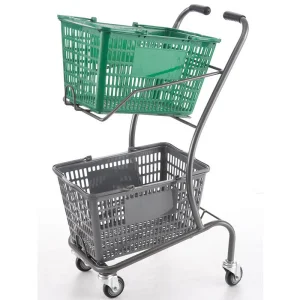
Modern supermarket infrastructure relies heavily on the quality, durability, and ergonomics of its fleet. Shopping carts are no longer just basic holding baskets; they represent a vital brand touchpoint that influences average order value (AOV) and customer dwell time. In an era where frictionless retail, smart checkout systems (such as RFID and AI cameras), and strict sustainability standards (ESG compliance) drive supermarket operations, choosing the right material handling fleet is a business-critical decision.
Globally, grocery store chains face challenging environmental and operational conditions: high-humidity coastal climates that accelerate rust, extreme load weights from bulk shoppers, and continuous outdoor-indoor temperature cycles. Chengdu EcosystemRack Industrial Technology Co., Ltd. addresses these operational variables by combining advanced steel metallurgy with precision polymer injection technology, creating robust retail transport assets.
The global retail equipment sector is witnessing a consolidation towards high-performance materials and safety-compliant designs. In regions like North America and Western Europe, there is a distinct preference for high-capacity hybrid and metal carts equipped with anti-static mechanisms and noise-dampening casters. Meanwhile, dense urban markets across the Asia-Pacific region demand space-saving, dual-layered, or nested configurations designed to navigate tight store layouts.
From a regulatory standpoint, safety certifications such as TÜV Rheinland and structural compliance to standards like AS4084 (standardized design validation) are crucial. Retail giants cannot risk the legal liabilities and replacement costs associated with structural cart failure, caster lockups, or child seat tipping hazards. Consequently, industrial sourcing specialists evaluate manufacturing suppliers based on structural deflection metrics, salt spray endurance ratings, and mechanical cycling tests.
How we apply rigorous metallurgy and quality control to outperform standardized hardware suppliers.
Our structures undergo extensive finite element analysis (FEA) to withstand static loads up to 150kg without plastic deformation, fully conforming to international retail standard requirements.
Every structural weld is scanned via automated optical inspection (AOI) technology to catch pinholes, structural voids, or weak joints, ensuring absolute structural safety.
Our multi-stage plating line subjects wire samples to rigorous salt spray testing. Our premium chrome and powder-coat systems resist degradation in humid environments.
China continues to serve as the global epicenter for industrial retail hardware manufacturing. This positioning is driven by fully integrated supply chains, automated production lines, and immediate proximity to high-grade steel mills. At Chengdu EcosystemRack Industrial Technology Co., Ltd., we utilize these vertical supply advantages to achieve significant production efficiencies.
With an 18,000 m² manufacturing plant, we minimize raw material logistics costs. By integrating our operations with 450 vetted component vendors, we eliminate production bottlenecks for wheels, child seat belts, plastic corners, and custom branding handles. This supply chain integration allows us to deliver high-quality products without the cost overruns typical of fragmented Western manufacturing networks.
In addition, our 25 R&D engineers release dozens of new designs annually. This allows us to keep pace with changing retail formats, such as developing specialized carts for self-checkout terminals and heavy-duty configurations for wholesale clubs.
| Technical Parameter | EcosystemRack Specifications | Standard Commercial Grade | Operational Impact |
|---|---|---|---|
| Primary Material | Q235 High-tensile carbon steel wire | Low-grade Q195 / Recycled scrap steel | Higher yield strength; resists basket deformation under heavy loads |
| Surface Protection | Zinc plating + High-adhesion organic sealer + Powder coating | Standard single-coat electroplating | Extends operational lifespan by resisting rust under outdoor storage conditions |
| Caster Assembly | TPR (Thermoplastic Rubber) / PU (Polyurethane) with precision bearings | Basic PVC casters without dust caps | Provides quiet operation, non-marking floor protection, and smoother rolling |
| Welding Quality Control | Robotic spot welding with Automated Optical Inspection (AOI) | Manual welding without systematic stress testing | Reduces joint breakage and structural failures during nesting impacts |
An inside look at our 18,000 m² facility, advanced machinery, and rigorous quality control steps.
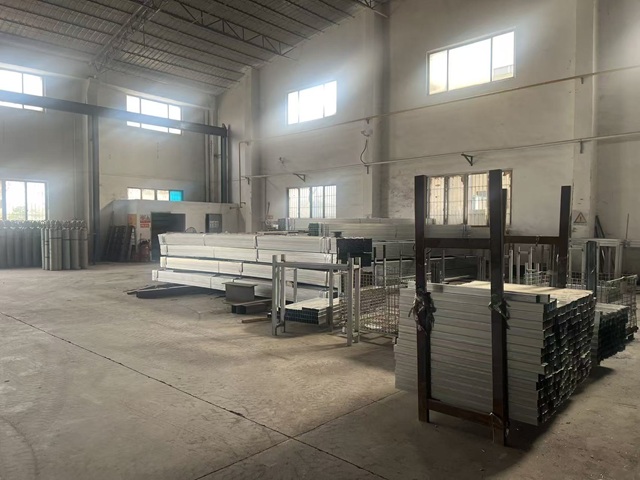
Raw Material
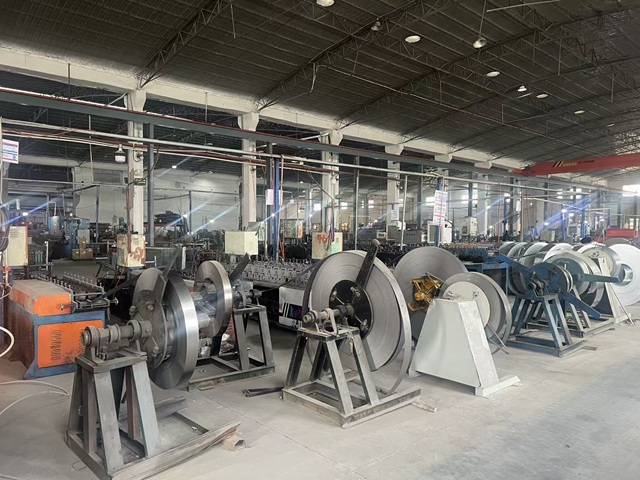
Integrated Molding
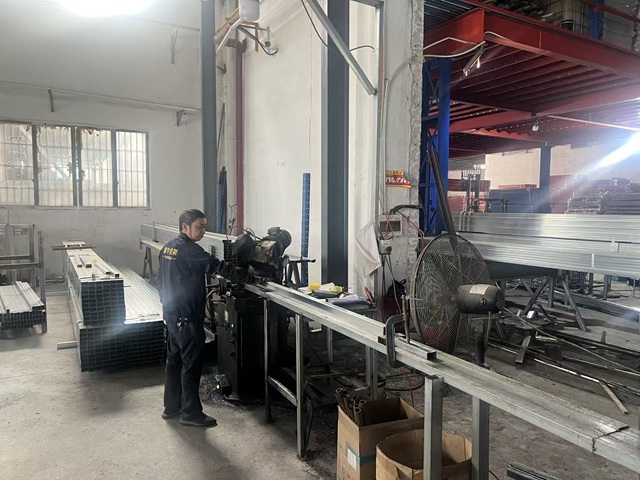
Shearing
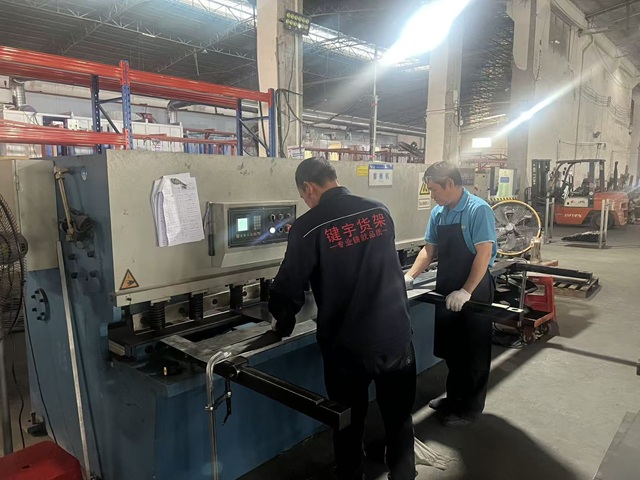
Bending
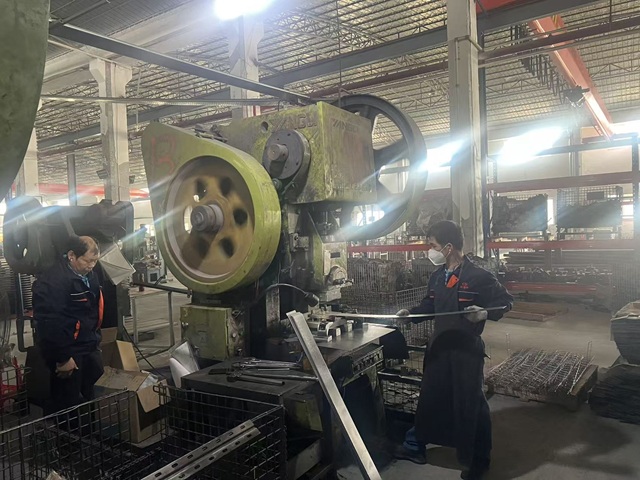
Punching
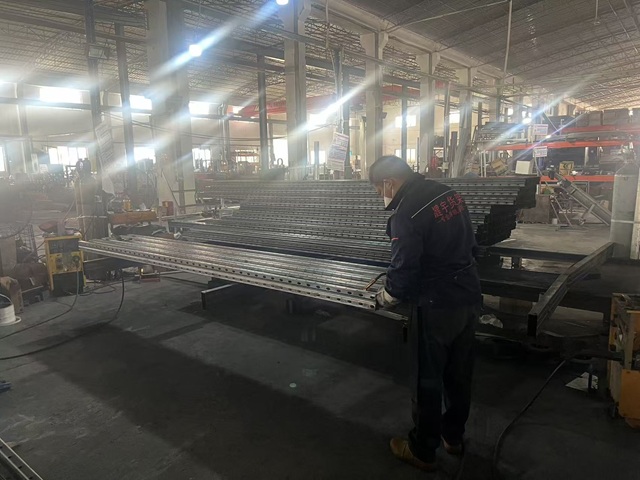
Welding
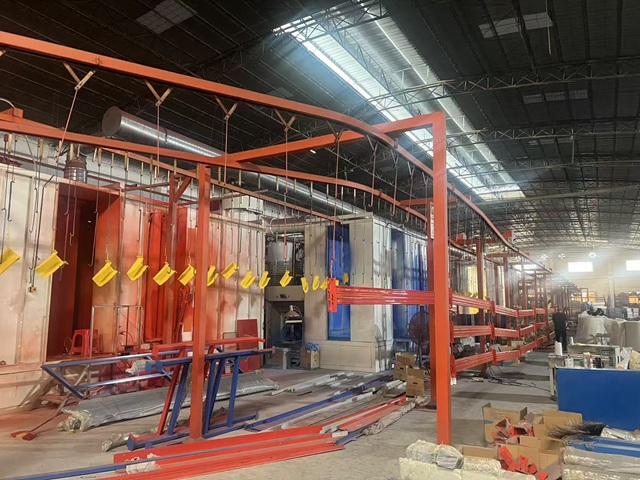
Spray Painting
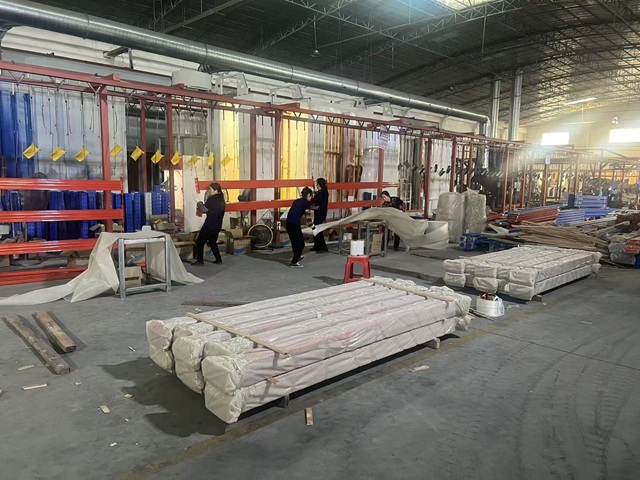
Packing
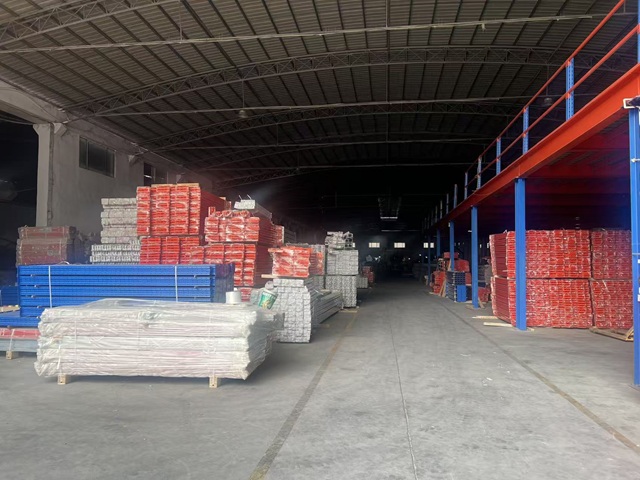
Warehouse
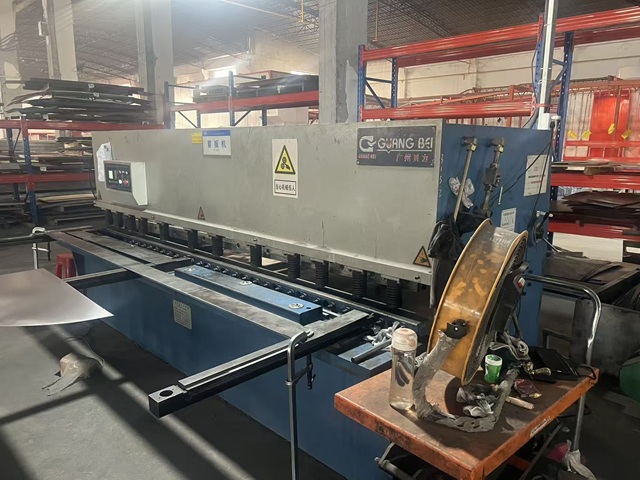
Bending Machine
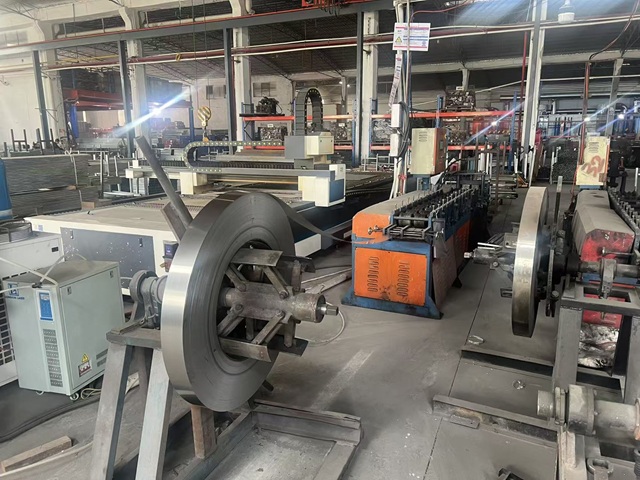
Molding Machine
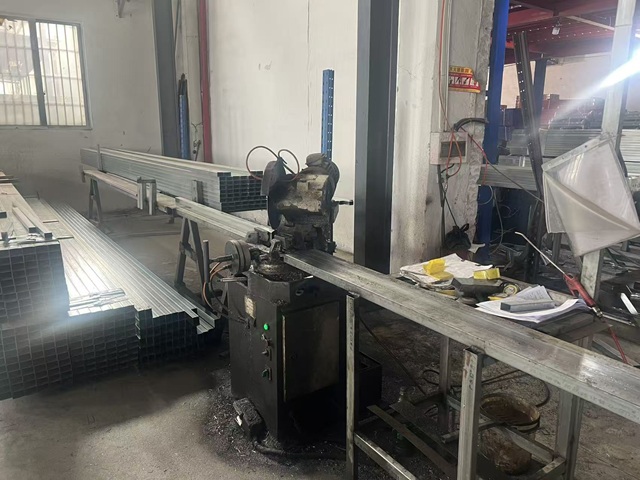
Shearing Machine
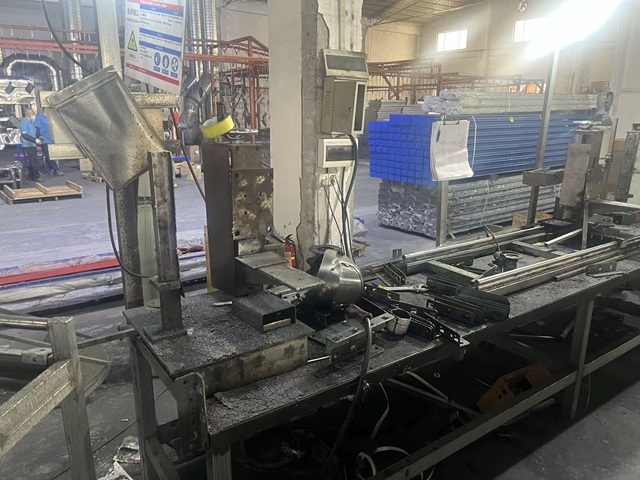
Welding Machine
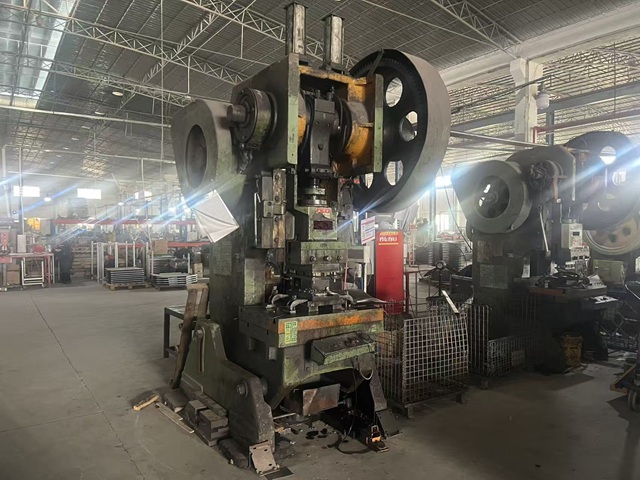
Punching Machine
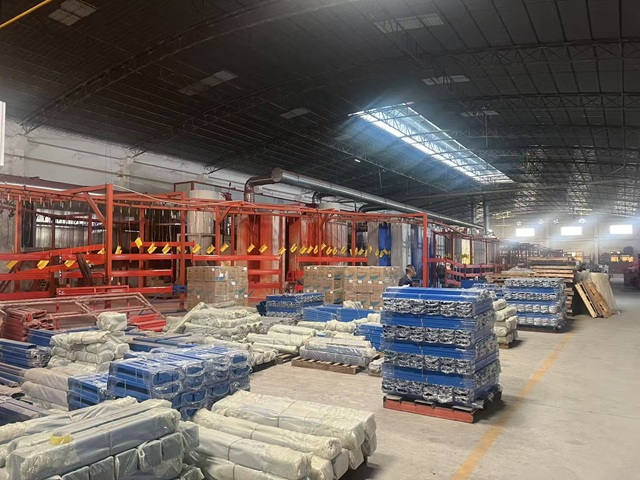
Painting Machine
Retail conditions vary significantly by region. A one-size-fits-all approach to shopping cart procurement often leads to poor floor performance. Our engineering team customizes solutions for various international retail environments:
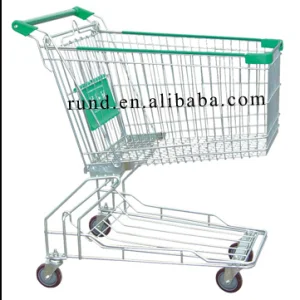
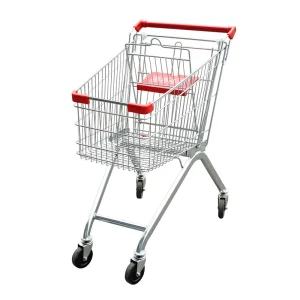
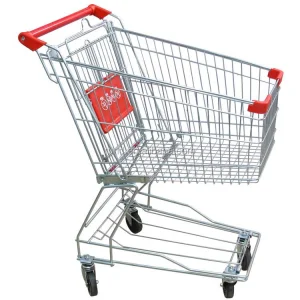
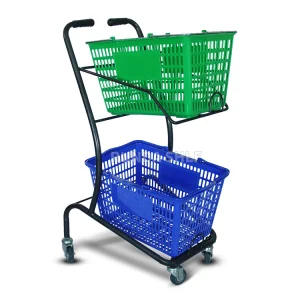
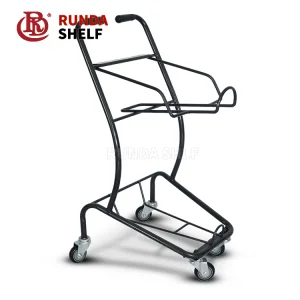
A. Australia-Style Configurations (Ergonomics & Safety focus): Australia-style carts feature a dual-basket design or a shallow, wide profile. They often include a specialized unfolding mechanism that allows operators to easily collapse or nest units in compact spaces. Safety-rated child harness restraints and heavy-duty, dust-guarded casters are standard requirements to handle typical suburban parking lot conditions.
B. North American High-Capacity Carts (Volume focus): Built for wholesale warehouses and large supermarkets, these carts feature chassis volumes of 150L to 250L. They are reinforced with structural bottom trays and double-welded wire nets. These designs are engineered to support heavy bulk items without flexing or bending.
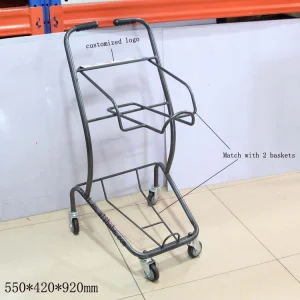
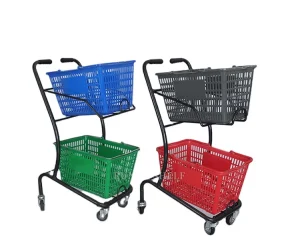
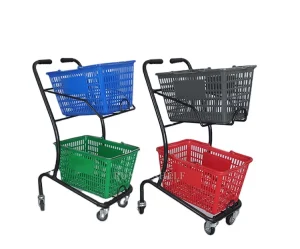
C. Japanese & East Asian Space-Saving Nested Trolleys (Dense layouts): Engineered for small urban convenience stores and narrow-aisle supermarkets, these models prioritize a vertical footprint. They utilize nesting designs, small caster radii for tight turning, and built-in frames to hold standard plastic shopping baskets. This allows shoppers to transition from basket to cart without losing floor space.
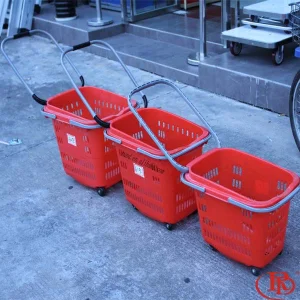
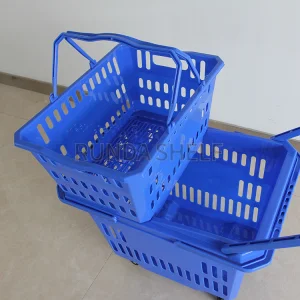
D. Specialized Retail Scenarios (KTV, Mall Boutiques, & Garden Centers): Specialized markets require targeted solutions. Double-decker utility carts work well in urban convenience stores, while heavy-duty flatbed carts and weather-resistant plastic utility baskets are preferred for nurseries, garden centers, and home improvement warehouses.
For procurement directors, analyzing the Total Cost of Ownership (TCO) is more critical than comparing upfront unit prices. Buying cheaper carts often leads to high maintenance costs, including premature caster failures, rust damage, and misalignment that prevents nested nesting.
Chengdu EcosystemRack supports these procurement requirements through direct OEM and ODM services. From adjustments in zinc coating thickness to custom wheel configurations and anti-static ground wires, we deliver optimized shipping cart configurations tailored to your local logistics environment.
Answers to technical, engineering, and logistics questions from professional retail procurement managers.
Comprehensive material handling and retail shelving solutions for global retailers.
 EcosystemRack