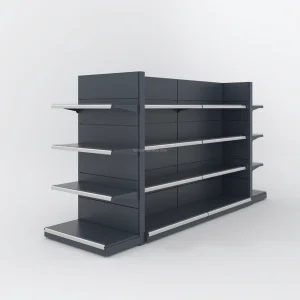
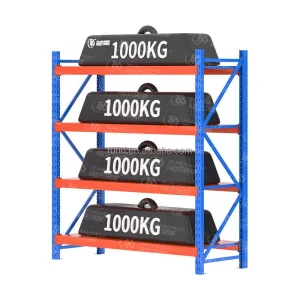
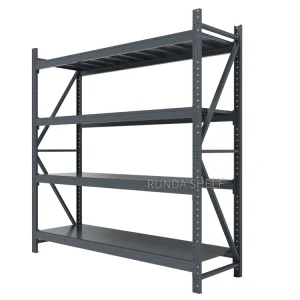
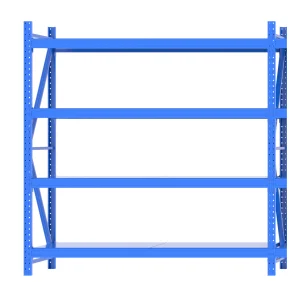
Busan, as the main maritime gateway of South Korea and the sixth-busiest container port globally, handles more than 75% of the nation's container traffic. This high density of cargo transshipment demands highly efficient, verticalized, and extremely robust warehousing infrastructure. The neighboring industrial zones, including the Noksan Industrial Complex and the Mieum Complex, are home to prominent automotive component suppliers, shipbuilding engineers, and chemical processing facilities. These sectors require heavy storage shelves designed to withstand extreme dynamic loading, marine humidity, and seismic activities typical of coastal geological formations.
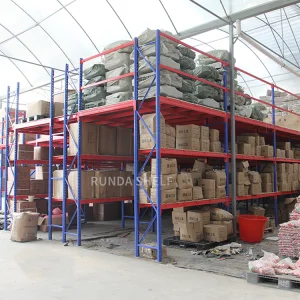
As industrial properties near the Port of Busan encounter skyrocketing square-meter land values, warehouse managers are shifting away from traditional floor storage towards high-rise racking configurations. By implementing AS4084-compliant structural racking, companies can expand their storage capability upwards of 15 meters, saving up to 60% of floor space while improving pallet throughput. This whitepaper analyzes how local manufacturing dynamics, engineered structural steel racking, and global supply chain partnerships combine to optimize heavy industrial storage.
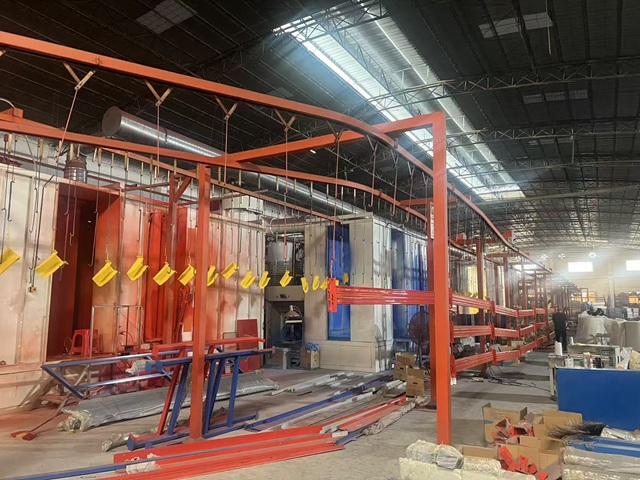
Busan's high atmospheric humidity and marine salt aerosols present continuous corrosion threats. Our racking utilizes hot-dip galvanization and outdoor-rated thermosetting powder coatings to resist rust and paint degradation.
In accordance with South Korea's KBC (Korean Building Code), industrial racking systems erected in coastal regions must feature specialized baseplates and structural reinforcements to absorb seismic shear forces.
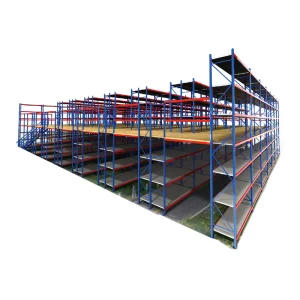
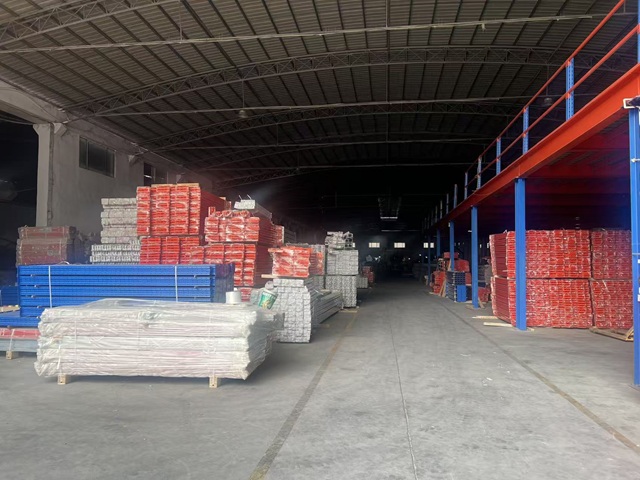
Maximizing volumetric space is crucial. Custom modular mezzanines and deep-lane shuttle racks allow operators to double or triple their warehousing storage capacity without expanding their building footprint.
Chengdu EcosystemRack Industrial Technology Co., Ltd. was established in 2019, expanding over a manufacturing space of 18,000 m². Built on 8 years of industry experience and 5 years of global export track record, the company generates $8,500,000 in annual export revenue.
Maintaining rigorous quality compliance under TÜV Rheinland and AS4084 standards, we apply Automated Optical Inspection (AOI) and Salt Spray Corrosion Testing supervised by 18 experienced QC engineers. Our primary business is driven by Factory Direct Buyers, Material Handling Equipment Wholesalers, and System Integrators, with key export markets in Eastern Europe, Central Asia, and East Asia. Partnering with 450 reliable supply chain vendors, we offer tailor-made ODM/OEM solutions including modular rack configurations, specialized beam locks, and anti-static coatings. Driven by a nimble team of 25 R&D engineers, we released 45 new product designs over the past year.
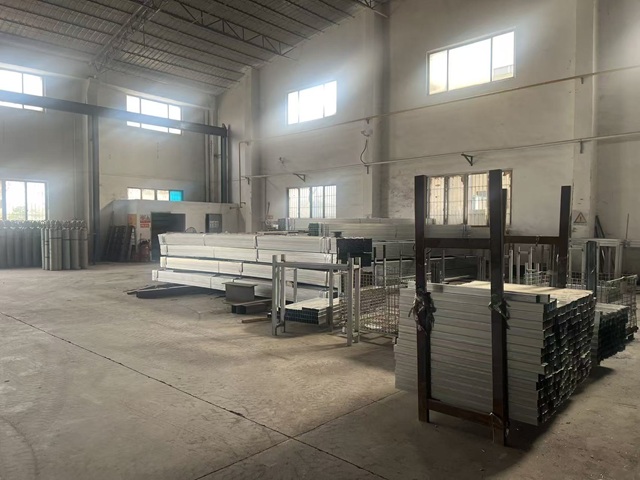
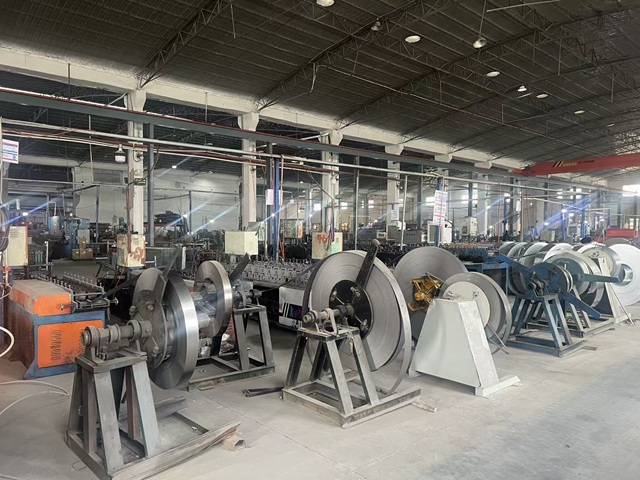
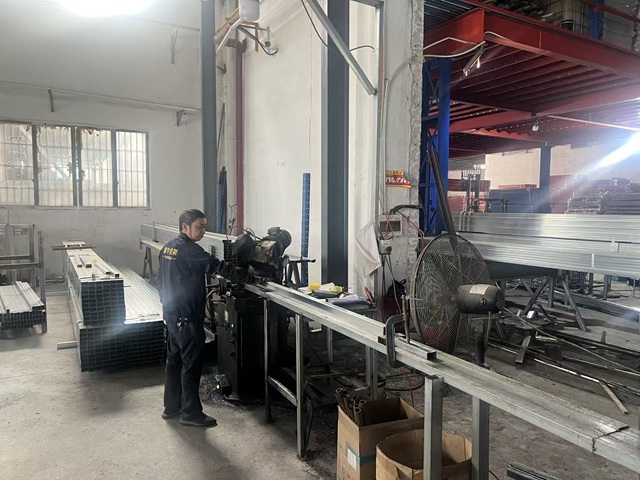
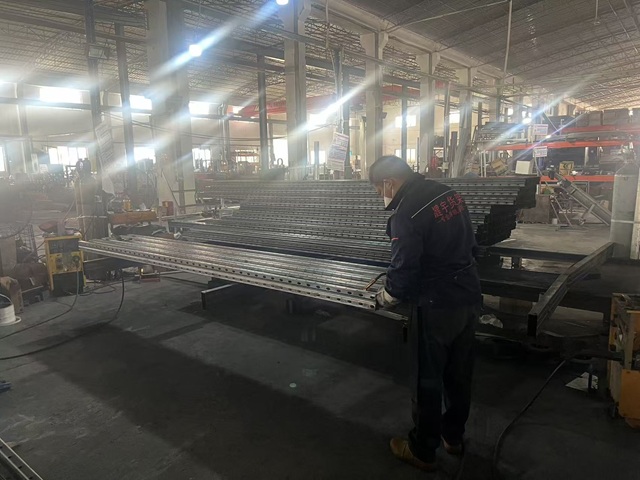
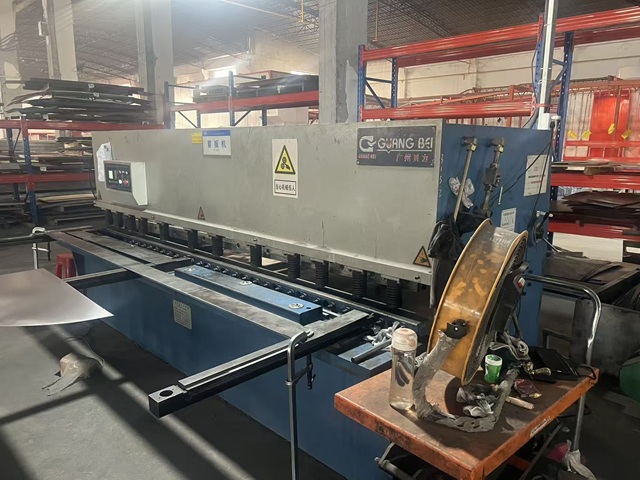
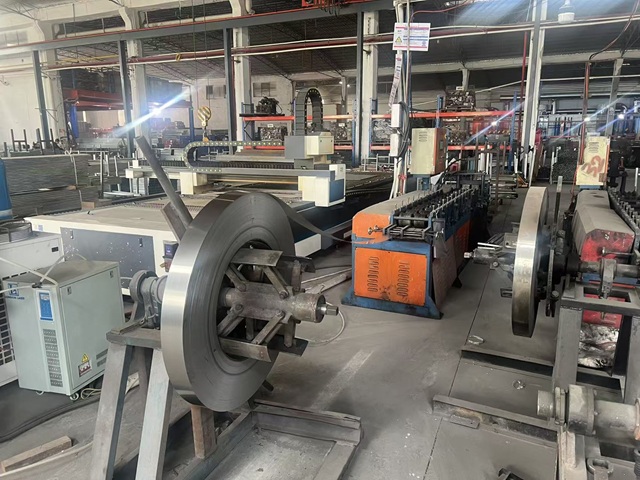
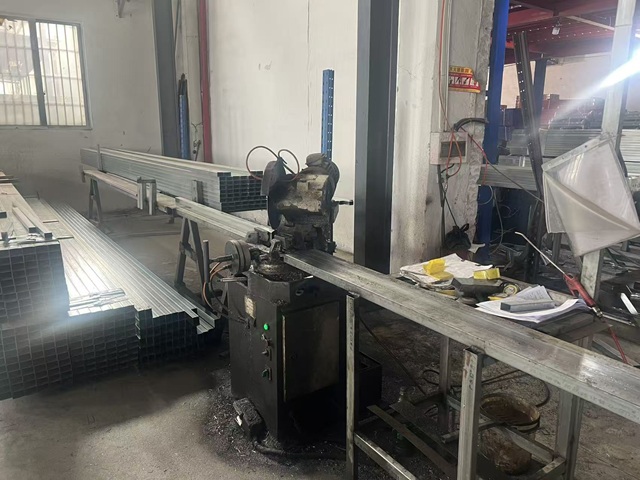
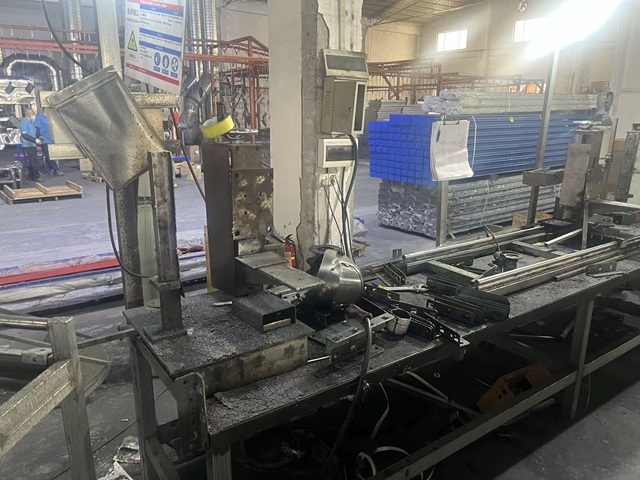
Implementing continuous cold roll-forming machines capable of handling high-strength structural steels like Q355B and SS400. This phase increases vertical column stiffness while lowering overall dead weight by 12% without sacrificing total structural weight capacity.
Introducing automated load warning indicators on racking beams. These hardware options communicate directly with a facility's warehouse management system (WMS) to prevent accidental overloading and provide early structural deformation detection.
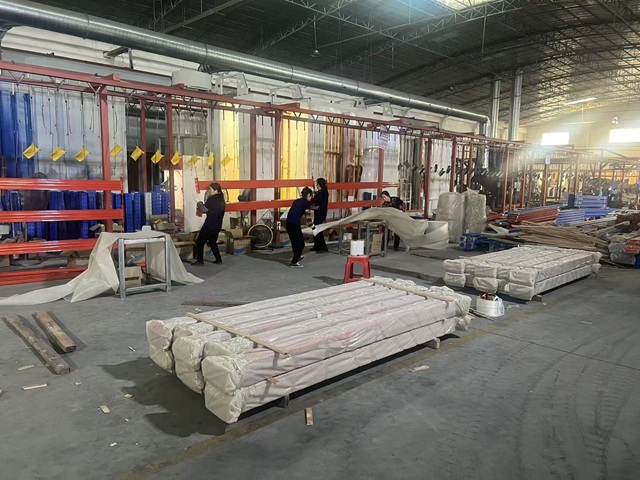
Deploying energy-conserving curing ovens alongside chrome-free chemical pre-treatments. These changes improve overall salt spray resilience up to 1000 hours, keeping installations inside seaside distribution centers functional for decades.
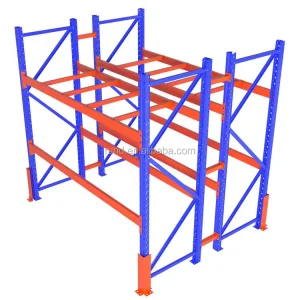
Designed for rapid crane-picking cycles. Structural steel uprights and heavy bracing absorb dynamic impacts from forklifts and material handling machinery during high-volume transshipments.
Racks designed for cold temperatures operate continuously down to -30°C. Using impact-resistant steel grades protects structural integrity in chilled environments.
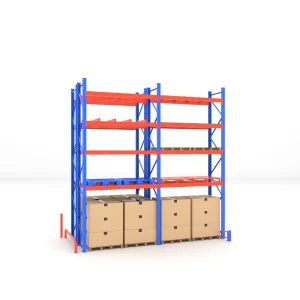
Optimized for structural automotive components, sheet metal coils, and heavy dies. Configured with customized load profiles exceeding 3,000 kg per storage level.
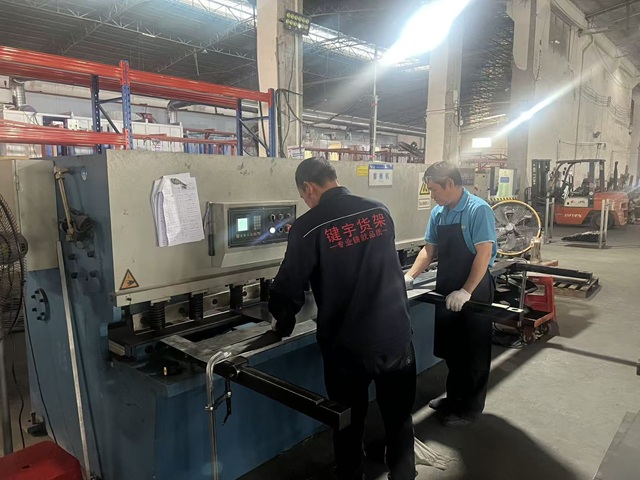
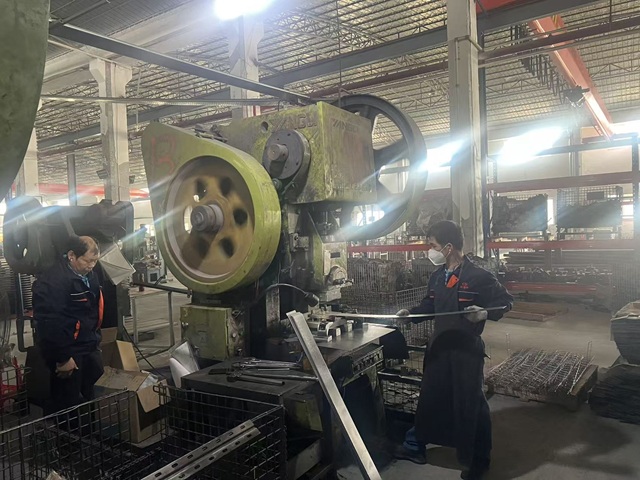
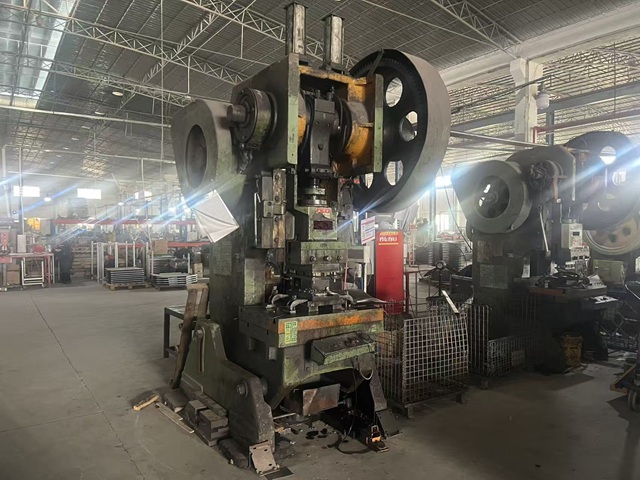
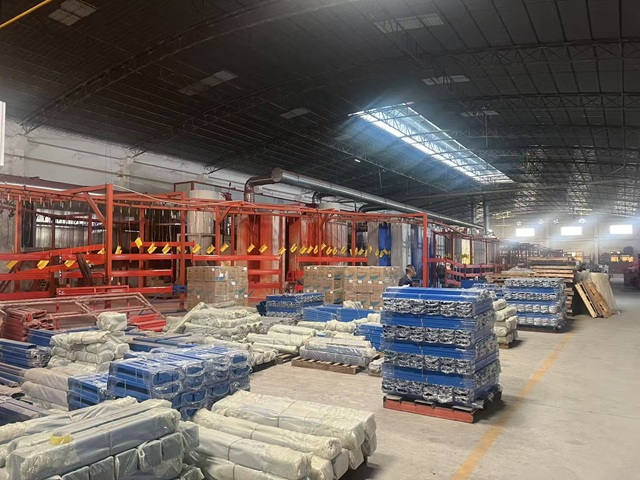
Operating a modernized manufacturing hub in China enables us to source raw structural steel at highly competitive rates, while utilizing state-of-the-art automated production processes. By combining robotic welding machines, CNC stamping machinery, and inline optical quality inspection systems, we deliver racking structures that consistently meet global regulatory standards.
For operations located in Busan, shipping routes originating from Qingdao, Shanghai, or Ningbo arrive at the Port of Busan in only 2 to 5 days. This rapid transit time enables close supply chain collaboration, allowing for short production times and quick delivery. This efficient shipping cycle lowers storage expenses and accelerates overall facility construction schedules.
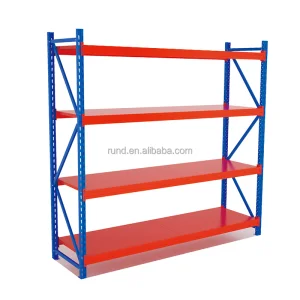
Discuss your facility layout, load limits, and spatial parameters with our design engineers. We offer complete custom OEM configurations to optimize your supply chain throughput.
Send Inquiry Now EcosystemRack