Pioneering high-capacity structural configurations tailor-made for Dublin, Cork, and Belfast logistics corridors.
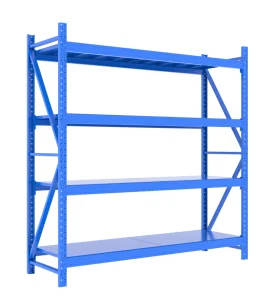
The Republic of Ireland’s logistics ecosystem is undergoing its most significant structural shift in a generation. Driven by post-Brexit supply chain realignments, the rapid expansion of direct maritime shipping routes to continental Europe, and Dublin’s status as Europe's premier data center and biopharmaceutical hub, the demand for sophisticated, code-compliant storage infrastructure has reached an all-time high.
In locations such as Dublin Port, Ringaskiddy in Cork, and the Shannon Free Zone, developers and operators face a common constraint: premium land valuations and restricted physical footprints. This makes floor space efficiency the ultimate metric of warehouse profitability. Standard selective pallet racking systems, while versatile, suffer from extensive aisle-to-rack ratios, often sacrificing up to 60% of potential storage volume to forklift access lanes.
Drive-in racking systems provide the most robust resolution to this spatial challenge. By eliminating access aisles, drive-in systems operate on a Last-In, First-Out (LIFO) inventory model, enabling forklifts to drive directly into the racking bays to deposit or retrieve pallets. This layout increases storage density by up to 75% compared to standard arrangements, making it the system of choice for single-SKU bulk storage, food and beverage distribution, and cold-storage operations where temperature-controlled volume is exceptionally expensive to run.
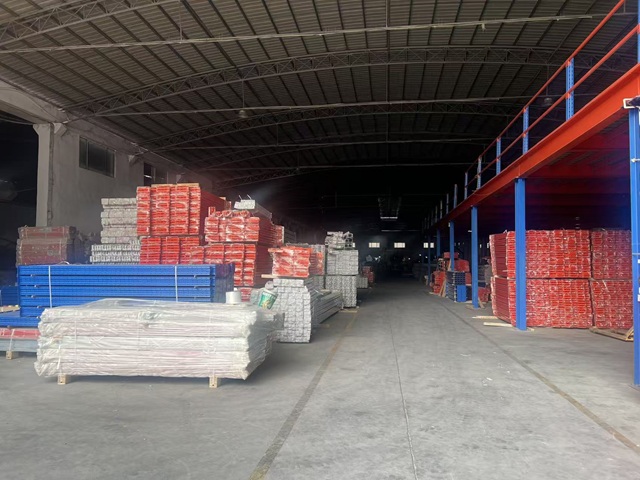
Chengdu EcosystemRack Industrial Technology Co., Ltd. combines heavy structural engineering, rigorous material testing, and advanced automated production lines to deliver globally certified pallet racking systems.
Established in 2019, Chengdu EcosystemRack has integrated 8 years of core industrial experience with a 5-year global export track record, yielding over $8,500,000 in annual export revenue. Our logistics and structural solutions are engineered to withstand rigorous daily loading cycles while strictly maintaining compliance with European structural guidelines and EN 15512 frameworks.
By partnering with over 450 reliable raw material and supply chain vendors, we leverage premier high-tensile steel grades (Q235B and Q355B) to guarantee uniform elastic deformation thresholds. Our R&D division has developed and patented 45 new modular rack designs within the past fiscal year, enabling bespoke alterations like custom dynamic beam locks, self-centering guide rails, and specialized anti-corrosive coatings designed for damp marine climates.
Unlike standard racking configurations where horizontal beams support the load, Drive-In systems operate on a cantilever design. Understanding the structural forces at play is essential for procurement managers and system integrators to guarantee long-term operational safety.
The upright frames are the primary load-bearing members, subject to severe axial and bending stresses. We utilize multi-bend cold-rolled upright profiles. The inclusion of up to 12 distinct fold points along the profile section significantly increases the moment of inertia and buckling resistance under high vertical loads. In cold storage installations common across Ireland (such as frozen seafood or pharmaceutical warehousing), these frames are galvanized to prevent brittle fracture and oxidation.
Since there are no traditional crossbeams across the bays, pallets rest on continuous horizontal rails. These rails are supported by heavy-duty cantilever arms bolted directly to the uprights. We design our support arms with a tapered structural profile, increasing thickness at the connection joint to counter the concentrated bending moments. The rails themselves feature built-in guide lips to assist forklift operators in centering the pallets during high-level placement.
Because Drive-In systems lack traditional horizontal beams, they are prone to lateral sway. To ensure structural stability, we integrate heavy top bracing planes and rear cross-bracing structures. These bracing elements distribute lateral forces across the entire system, preventing rotational deformation and ensuring structural integrity even under seismic or impact loads.
We source our raw steel strictly from leading domestic mills, specifying high-tensile structural steel (Q235B and Q355B). For typical ambient warehouses, we apply an electrostatic thermosetting epoxy powder coating. For cold storage and high-moisture marine installations along the Irish coast, we use hot-dip galvanized finishes (ASTM A123 compliant), ensuring a zinc coating thickness of 60-80 microns to withstand continuous exposure to damp conditions.
Every component is engineered, shaped, and verified under our strict in-house QA protocols utilizing advanced machinery.
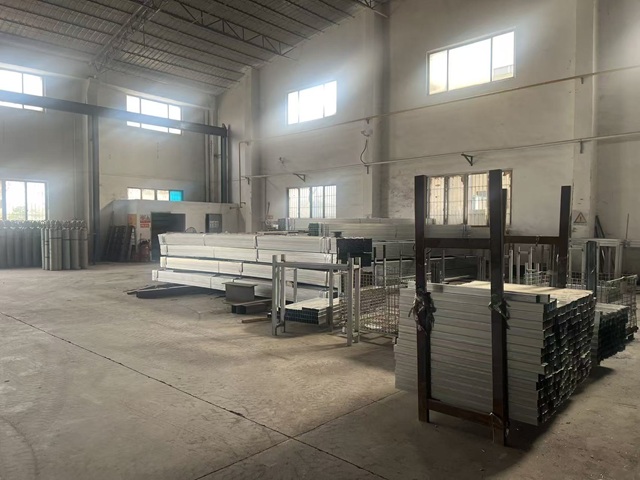
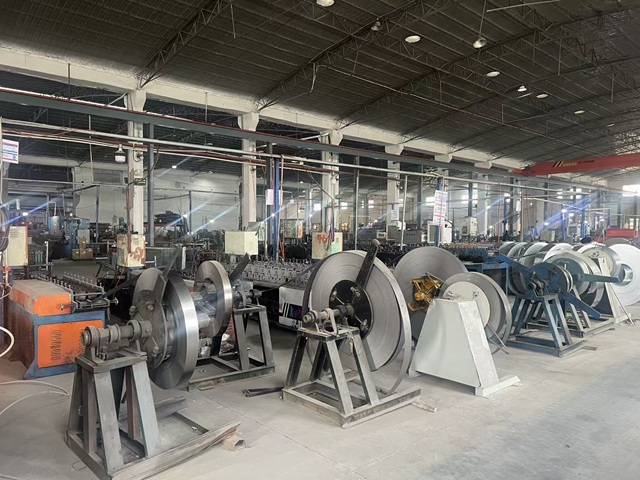
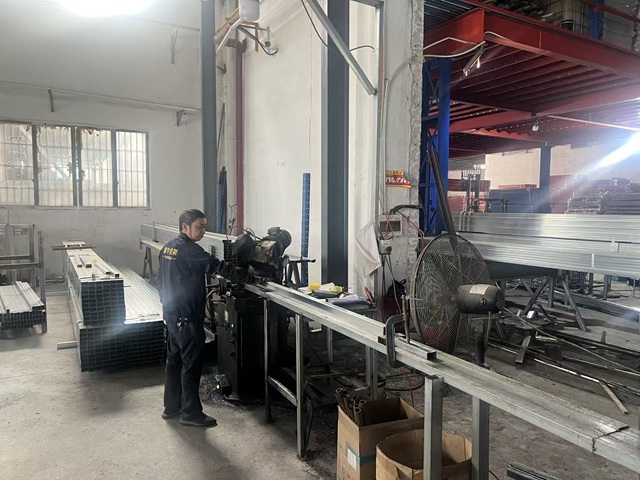
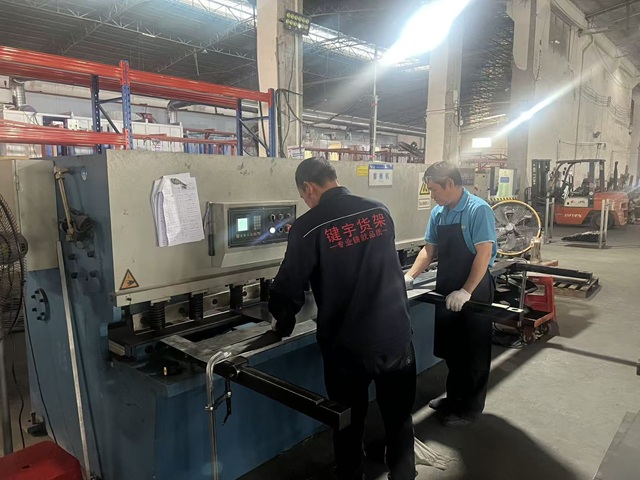
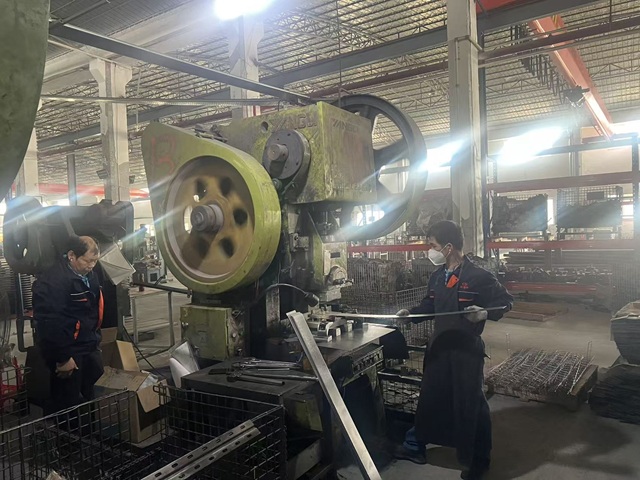
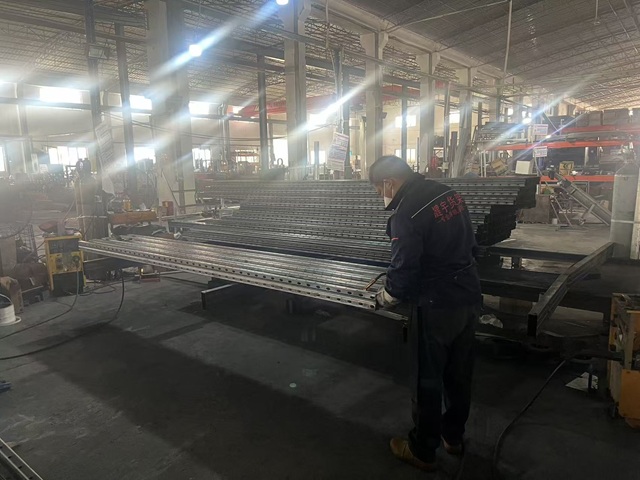
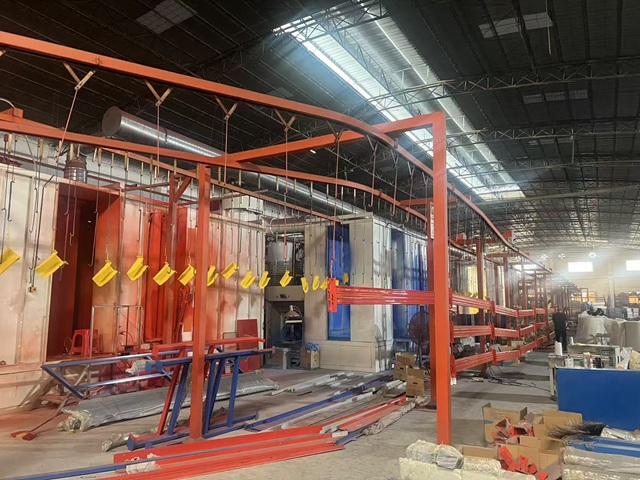
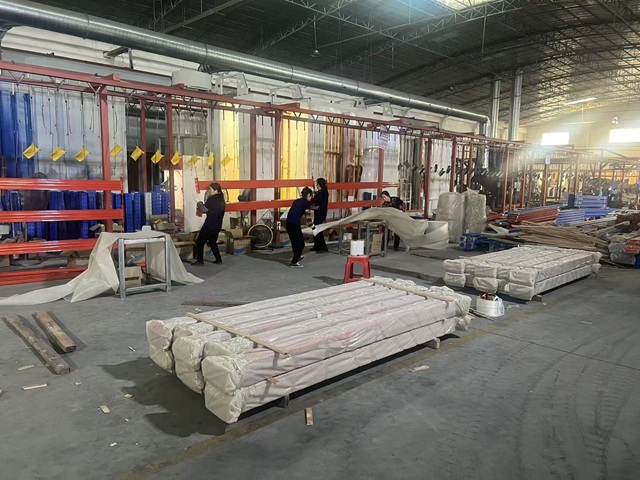
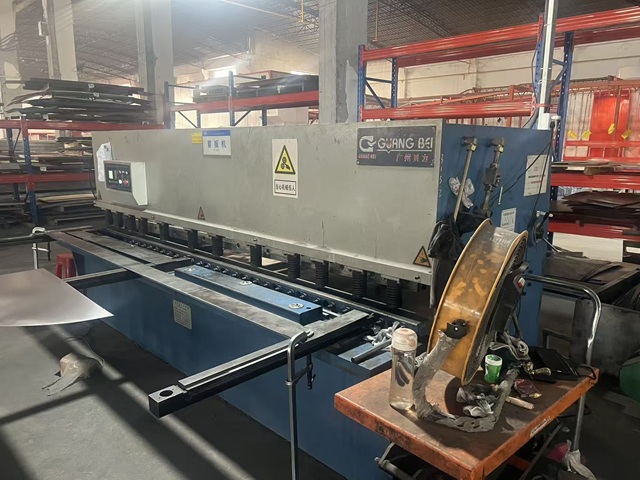
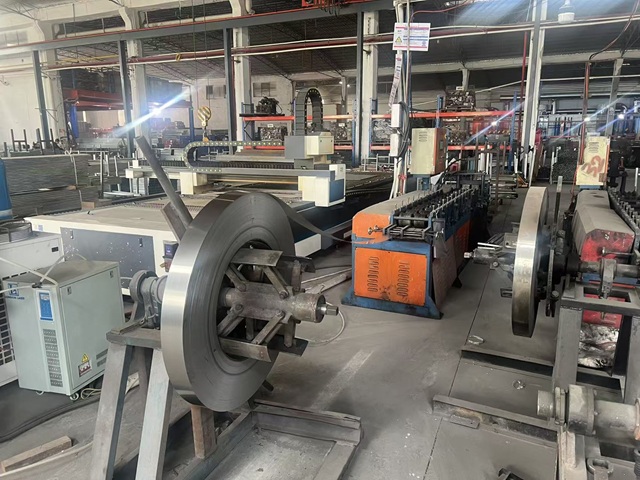
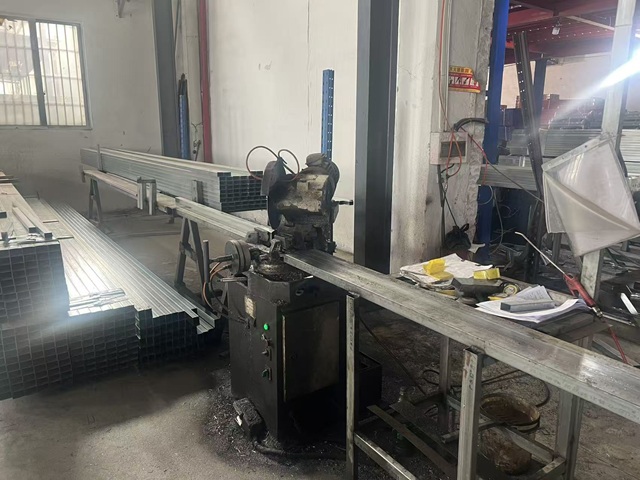
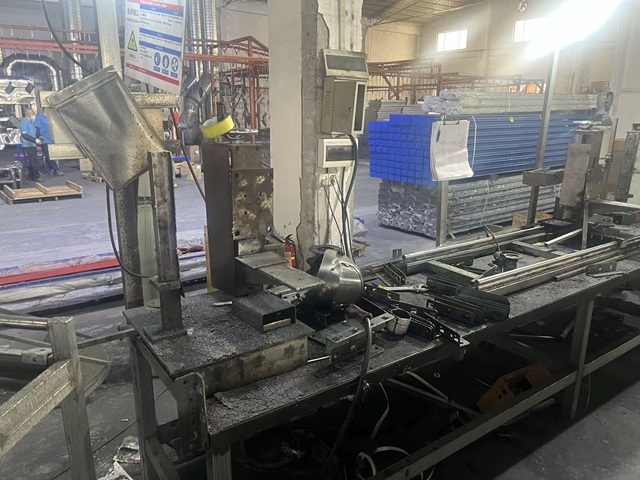
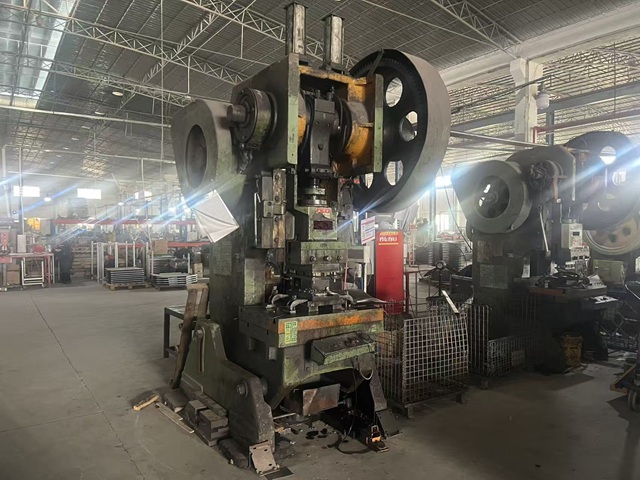
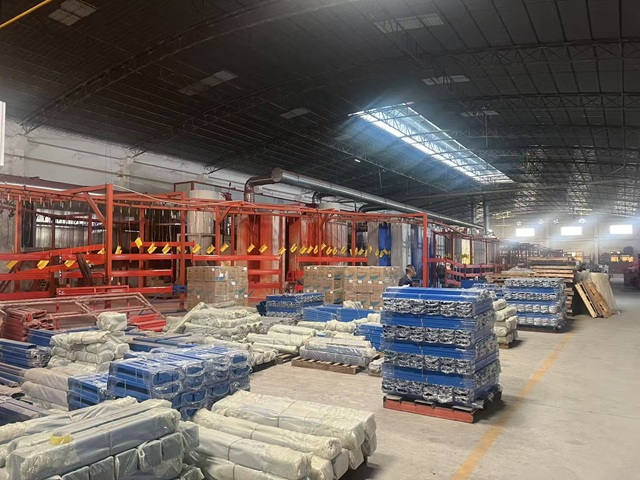
Operational safety is paramount in high-density storage design. At EcosystemRack, our manufacturing facilities follow rigorous quality assurance protocols to ensure every structural weld and cold-formed profile performs reliably under maximum load capacities.
To guarantee precision tolerances for automated system integration, we employ Automated Optical Inspection (AOI) systems. These optical scanners measure profile dimensions and hole spacing at production speed, rejecting any parts that deviate from CAD specifications. This level of accuracy prevents onsite assembly issues and ensures consistent load distribution across the system.
Irish coastal environments exhibit high atmospheric salinity, which accelerates surface oxidation. To protect our structures, our laboratory conducts regular salt spray testing in accordance with ASTM B117 standards. These tests simulate years of coastal exposure, helping us verify that our powder coat finishes and galvanized layers deliver long-term protection in damp, unheated warehouses.
Our engineering division designs all racking configurations to meet the safety requirements of TÜV Rheinland and AS4084. These guidelines mandate rigorous calculations for vertical loading, aisle clearances, and side-impact tolerances, ensuring our racking systems remain stable and reliable under daily warehouse traffic.
Managing the procurement and transport of heavy industrial racking requires careful logistics coordination. EcosystemRack provides end-to-end shipping support to streamline international delivery and simplify customs clearance for Irish buyers.
Our logistics team coordinates container loading to optimize space and minimize transit damage. We handle export documentation, customs filings, and coordinate directly with local freight forwarders in Dublin, Cork, and Belfast. This minimizes port delays and ensures your racking materials arrive at your site on schedule.
Choosing factory-direct procurement delivers significant cost efficiencies compared to regional distributors. By working directly with EcosystemRack, you reduce middleman markups and gain access to direct engineering customization. This ensures your racking system is custom-designed for your facility while offering a faster return on investment (ROI).
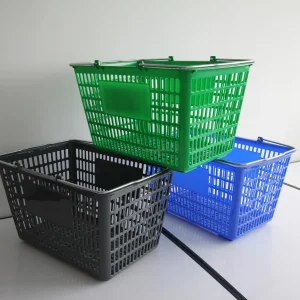
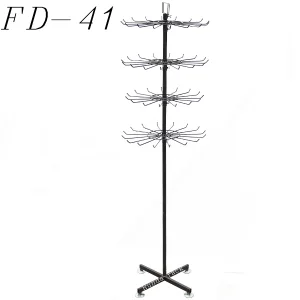
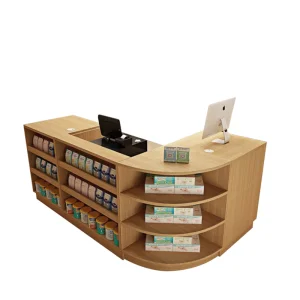
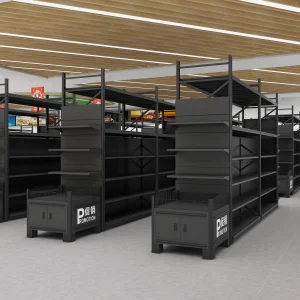
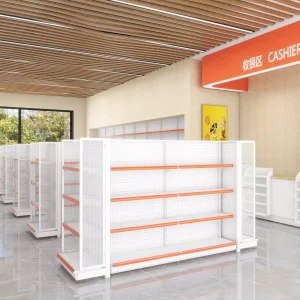
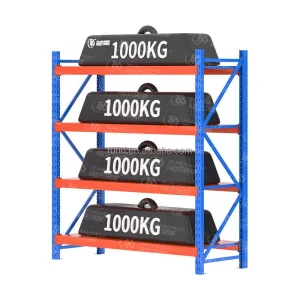
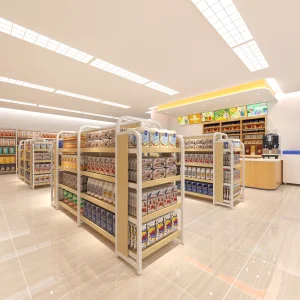
A comprehensive selection of ancillary warehouse products and retail checkout systems designed for high-efficiency operations.
In Ireland, warehouse storage installations are governed by strict safety regulations enforced by the Health and Safety Authority (HSA). Racking systems are classified as work equipment, meaning operators must perform regular maintenance and annual inspections to ensure safe working conditions.
Irish businesses are legally required to appoint a Person Responsible for Racking Safety (PRRS) to oversee daily inspections. Racking systems must be formally audited at least once every 12 months by an independent, SEMA-approved racking inspector. These audits identify structural damage, misalignment, overloading, and loose floor anchors, classifying issues using a green, amber, and red risk code system.
Because Drive-in systems require forklifts to drive inside the racking structure, the risk of forklift impacts is higher than with selective systems. We design our installations with several key safety features to minimize this risk:
Dynamic collapse occurs when a minor structural failure triggers a progressive collapse of the surrounding bays. We prevent this by utilizing high-strength structural connection hooks, lockable safety pins, and robust top bracing. These design details ensure that local impact forces are distributed across the system, keeping the structure stable even in the event of minor forklift contact.
Clear answers to technical, logistics, and compliance questions for project managers and procurement directors.
 EcosystemRack