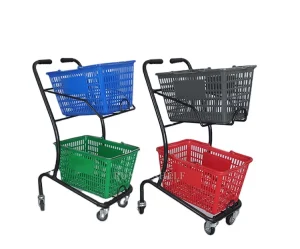
Engineered for high foot-traffic retail environments, micro-layout convenience stores (CVS), and premium cosmetic drugstores across Japan.
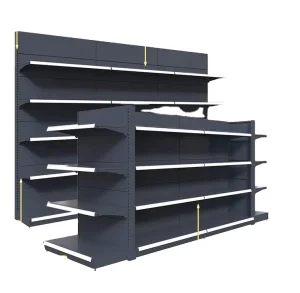
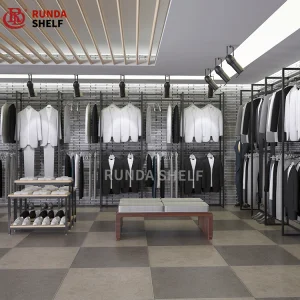
The Japanese retail landscape is characterized by its hyper-optimization of space, extreme customer service expectations, and stringent seismic (earthquake-resistant) building regulations. Whether setting up a Konbini (convenience store) in Ginza, Tokyo, or structuring a logistics center near Yokohama Bay, shelving systems must integrate seamlessly with space-efficiency mandates and Japanese Industrial Standards (JIS).
Unlike conventional racking, display fixtures destined for Japan require advanced safety parameters. Baseplate specifications must counter high seismic lateral acceleration coefficients. The steel must show high elastic limits, and coatings must withstand localized wear-and-tear while remaining non-toxic, matching Japan's Food Sanitation Act requirements where shelves sit close to food products.
All commercial storage racking and retail displays over 1.8 meters in Japan must meet localized seismic safety calculations. Standard anchor bolts are replaced by high-tensile chemical anchors (M12/M16), and vertical frames are braced diagonally using Q235B high-strength structural carbon steel.
In Japan, warehouse and retail layout integrators cross-evaluate designs against JIS Z 0620 (Industrial Racks) and structural calculation guidelines. Our engineering department aligns raw chemical compositions and stress tolerances with these local criteria, ensuring smooth approvals from municipal fire bureaus and construction inspectors.
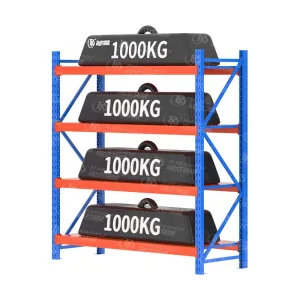
Heavy-duty, space-saving storage racks engineered for high-density logistics, cold storage, and retail backrooms across Japan.
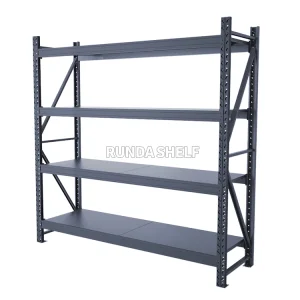
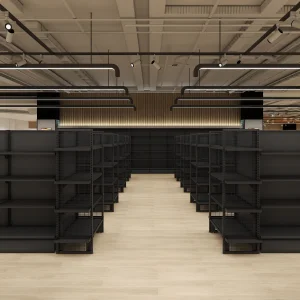
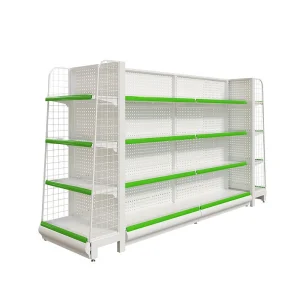
A trusted manufacturing partner delivering high-load capacity storage frameworks and customizable commercial display systems globally.
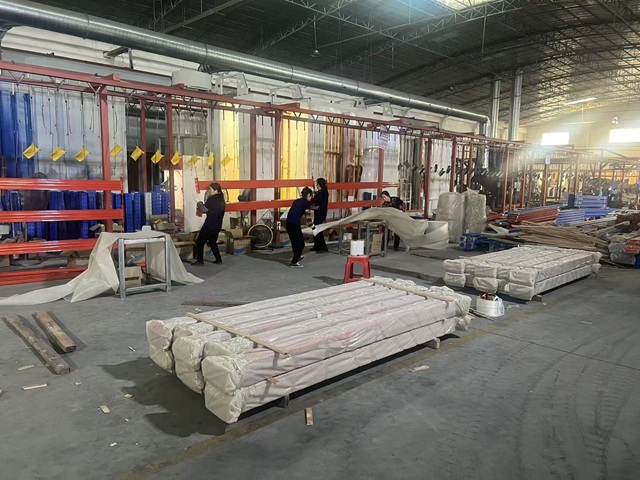
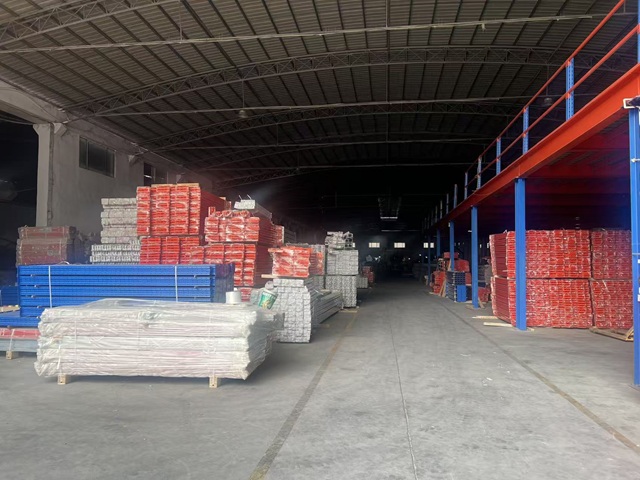
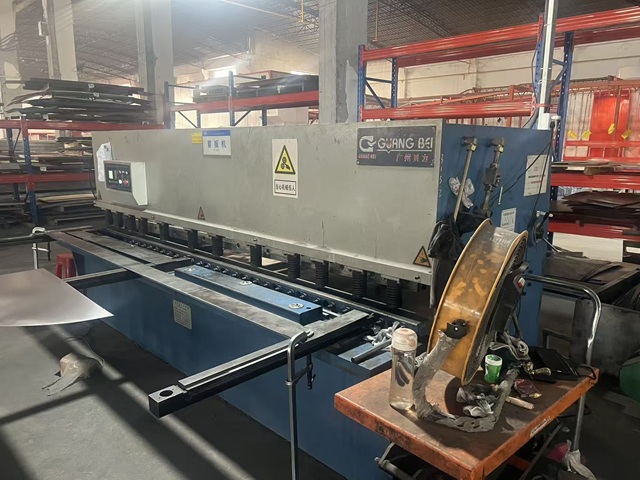
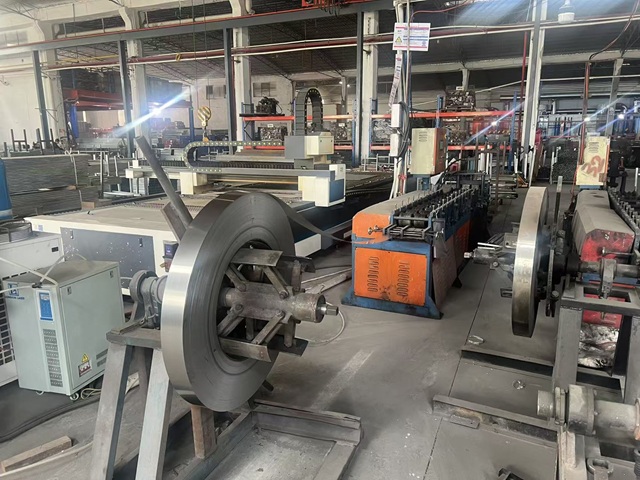
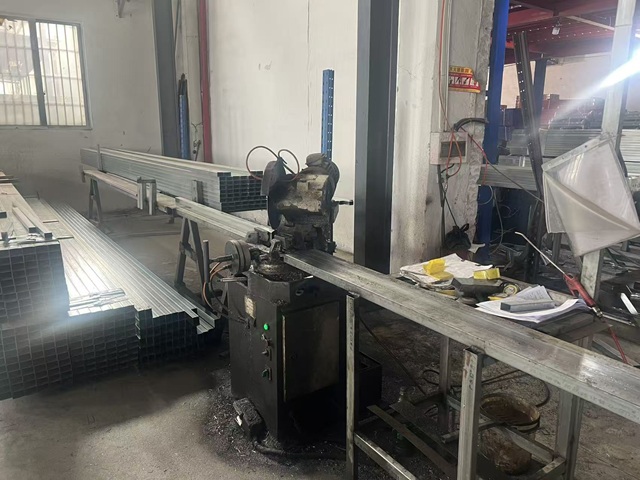
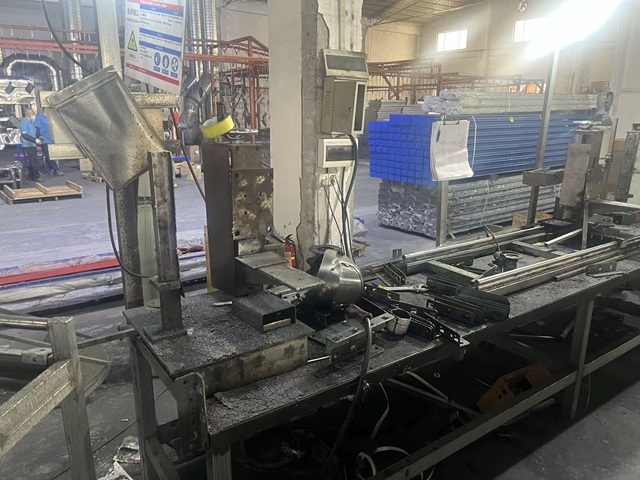
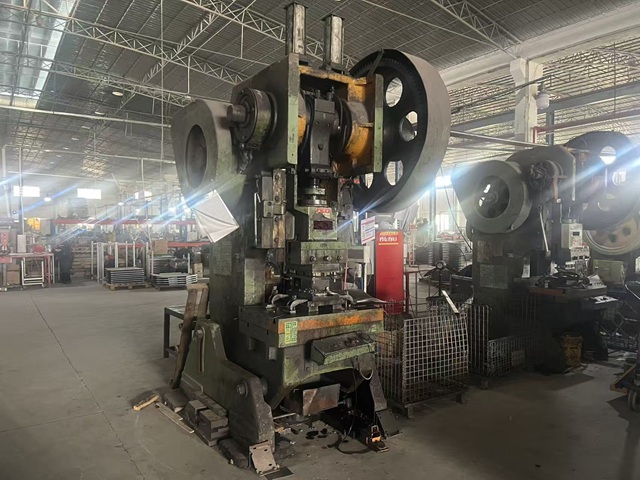
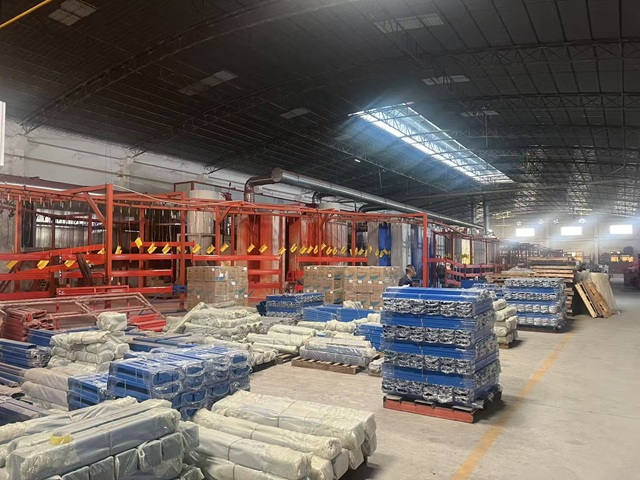
Established in 2019, Chengdu EcosystemRack Industrial Technology Co., Ltd. spans an expansive manufacturing base of 18,000 m².
Built on 8 years of industry experience and a 5-year global export track record, the company generates $8,500,000 in annual export revenue. Our primary business is driven by Factory Direct Buyers, Material Handling Equipment Wholesalers, and System Integrators, with key export markets in Eastern Europe, Central Asia, and East Asia.
Partnering with 450 reliable supply chain vendors, we offer tailor-made ODM/OEM solutions including modular rack configurations, specialized beam locks, and anti-static coatings. Driven by a nimble team of 25 R&D engineers, we released 45 new product designs over the past year.
Connect with an R&D EngineerMaintaining rigorous quality compliance under TÜV Rheinland and AS4084 standards, we apply Automated Optical Inspection (AOI) and Salt Spray Corrosion Testing supervised by 18 experienced QC engineers.
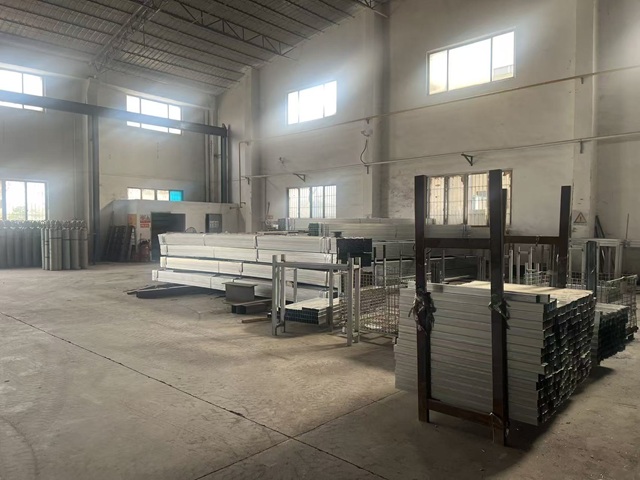
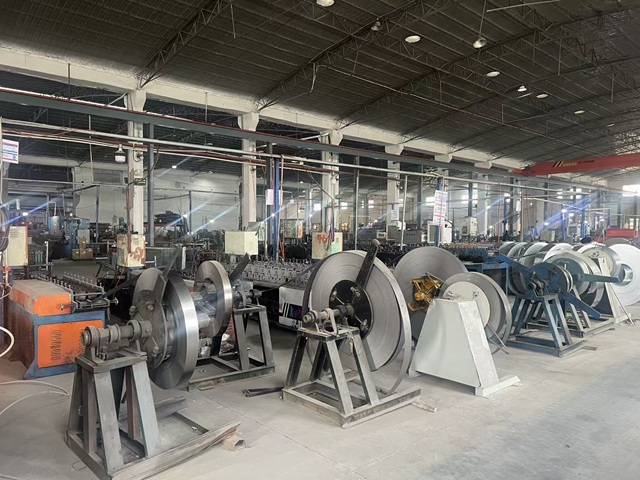
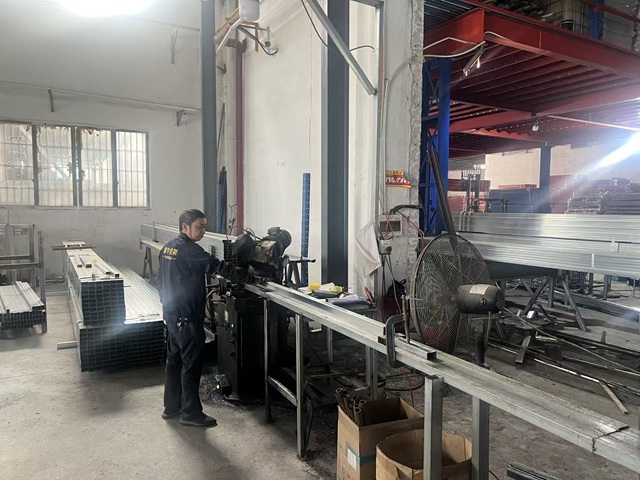
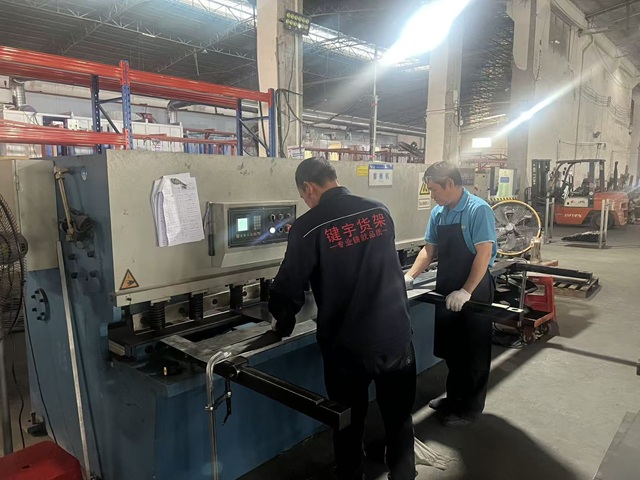
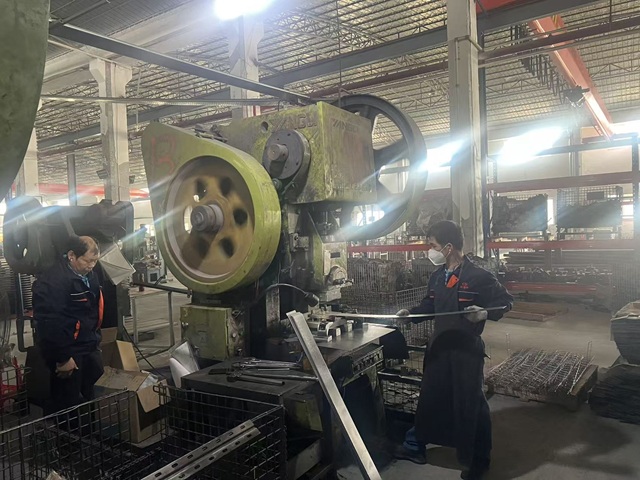
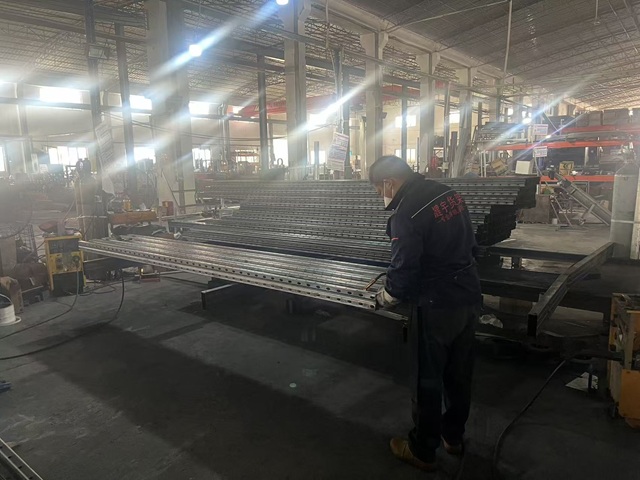
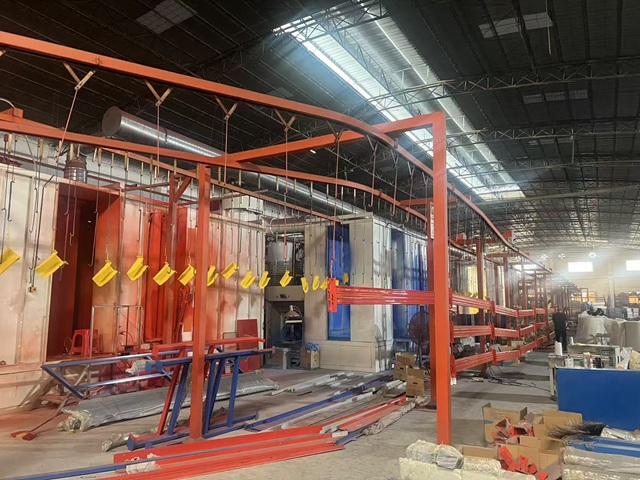
How our engineering optimizations translate into commercial advantages in the world’s most demanding retail ecosystem.
Maximizing the margin per square meter is essential in Japanese convenience stores. Our low-profile base structures and ultra-thin, high-tensile shelves allow stores to add an extra merchandising tier without raising the visual horizon of the shop floor.
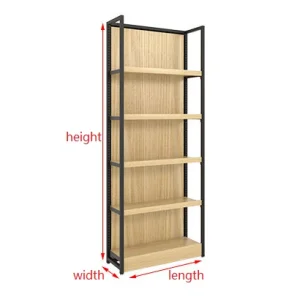
Japan’s drugstore chains require clean aesthetic shelving options that support heavy product loads (such as shampoos and liquid refills) while blending with wooden panel finishes. Our hybrid metal-wood systems provide clean visuals with robust physical support.
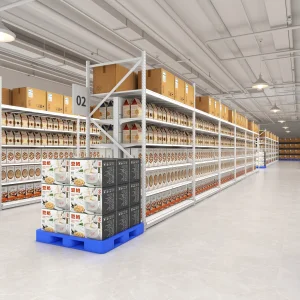
With the rapid growth of e-commerce in Tokyo and Osaka, backroom retail operations are shifting toward high-density automated systems. Our boltless shelving systems integrate with Automated Guided Vehicle (AGV) systems to support rapid regional pick-and-pack workflows.
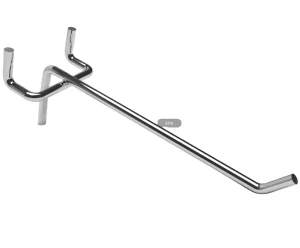
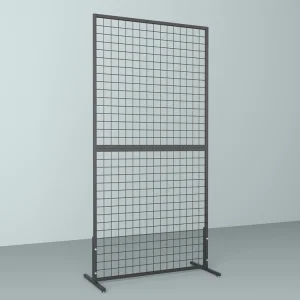
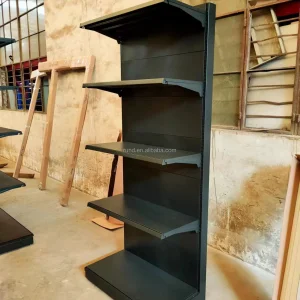
Complete your layout with these precision-engineered display hooks, grid panels, checkout platforms, and cantilever systems.
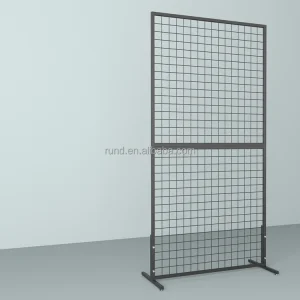
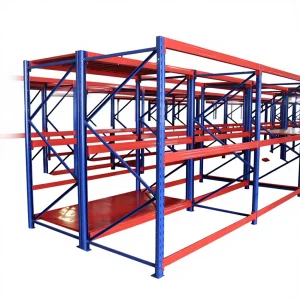
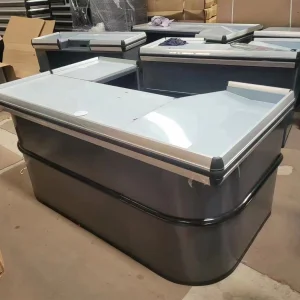
When procurement managers in Japan seek display and storage solutions from overseas, quality control is the paramount consideration. At Chengdu EcosystemRack, our manufacturing processes are designed to deliver structural stability, material purity, and precise sizing that matches Japan's safety requirements.
Japan’s Building Standards Act requires all structures, including tall commercial shelving and warehouse pallet racks, to be verified against dynamic seismic acceleration. In the event of an earthquake, vertical racking systems can experience strong swaying forces.
To minimize risk, our engineering team optimizes structural rigidity at three levels:
Japan’s maritime climate brings elevated humidity, especially in metropolitan trade hubs like Tokyo, Yokohama, Osaka, and Fukuoka. Standard non-galvanized frames can show signs of oxidation within months of exposure.
To prevent rust, Chengdu EcosystemRack implements an advanced 7-stage chemical pretreatment line:
| Stage | Process | Technical Objective |
|---|---|---|
| 1 - 2 | Hot Alkaline Degreasing | Removes mill scale, protective oils, and surface impurities from the steel. |
| 3 - 4 | Acid Pickling & Water Rinse | Eliminates microscopic rust cells, preparing the metal surface for chemical bonding. |
| 5 | Zirconium Phosphating | Applies an eco-friendly conversion layer that boosts corrosion protection and paint adhesion. |
| 6 - 7 | Electrostatic Dry Powder & Cure | Forms a resilient, impact-resistant outer shell with a thickness of 70 to 110 microns. |
Our production base in Chengdu leverages localized raw materials and excellent logistics connectivity. The Chengdu-Europe Express Rail Link and direct maritime routes to Osaka and Tokyo allow us to offer competitive shipping lead times to Japan.
With 450 verified raw material and hardware vendors, we maintain stable production queues even during steel market volatility. Our 25 R&D engineers use 3D CAD and finite element analysis (FEA) to develop custom configurations for retail stores and logistics warehouses.
Our quality management system is certified under ISO9001 and verified by TÜV Rheinland. We deploy Automated Optical Inspection (AOI) systems on our robotic welding line to ensure consistent weld quality and structural integrity.
Samples from every batch undergo salt spray corrosion testing in our on-site laboratory to confirm environmental resistance before packaging. Our 18 QC engineers oversee all production phases, from raw steel selection to final container loading.
Expert answers addressing the technical, structural, and logistical questions commonly raised by Japanese import managers and retail integrators.
Whether you require seismic calculation sheets, customized sample units, or factory certification documentation, our R&D team is ready to assist. Contact our export desk for a detailed quote.
Send Inquiry Now EcosystemRack