Optimized industrial shelving, heavy-duty displays, and logistics storage racks engineered for Jakarta business requirements.
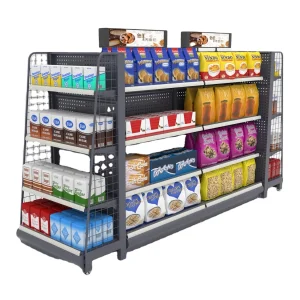
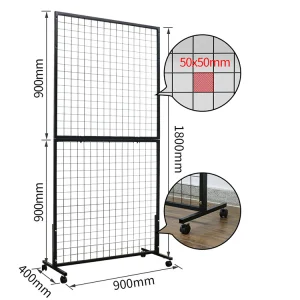
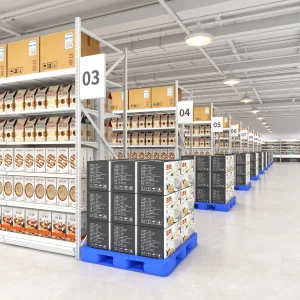
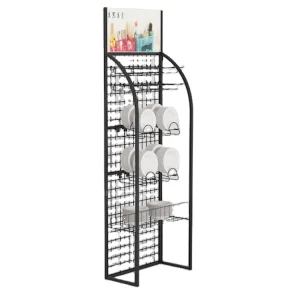
An in-depth analysis of vertical space optimization, storage demand, and structural engineering compliance for the Jabodetabek region.
The rapid urbanization of Jakarta, combined with the exponential growth of Indonesian e-commerce platforms such as Tokopedia, Shopee, and Lazada, has triggered an unprecedented demand for warehousing space. With industrial land prices in major industrial hubs like Bekasi, Cikarang, Tangerang, and Karawang continuously surging, logistics companies and manufacturing enterprises can no longer afford horizontal storage footprint expansion.
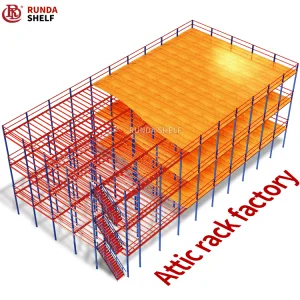
The attic shelf system (often referred to as a heavy-duty mezzanine floor rack system) has emerged as the definitive solution. By leveraging vertical cubic volume, these platforms multiply existing storage capacity by up to 200% to 300% without altering the building structure. This allows companies operating in Jakarta's high-cost logistics corridors to optimize their return on investment (ROI) by maximizing warehousing floor utilization rates.
"For modern warehousing operations in Tanjung Priok and Cikarang, space optimization isn't just about efficiency—it is a critical requirement for surviving in a high-cost real estate market. Attic shelf and mezzanine systems transform vertical cubic capacity into high-density storage zones."
Indonesia's geographical position along the Pacific Ring of Fire exposes the Greater Jakarta area to seismic activity. Consequently, safety is the primary consideration when planning high-rise racking installations. Cheap, non-compliant racking systems pose a significant collapse hazard under dynamic loads.
Industrial racking systems deployed in Indonesia must comply with International Structural Steel Standards, particularly the Australian Standard AS4084 (Steel Storage Racking) or the comparable European FEM codes. Compliance requires dynamic structural analysis that accounts for seismic coefficients, soil classification, concrete foundation load limits, and local building safety codes. Structural components must feature high-grade steel (typically Q235B or Q355B structural steel) and reinforced baseplates, anchor bolts, and dual-direction bracing arrays designed to isolate seismic shocks and protect warehouse personnel.
How Chengdu EcosystemRack leverages advanced technology to deliver certified, highly durable attic shelf and mezzanine configurations.
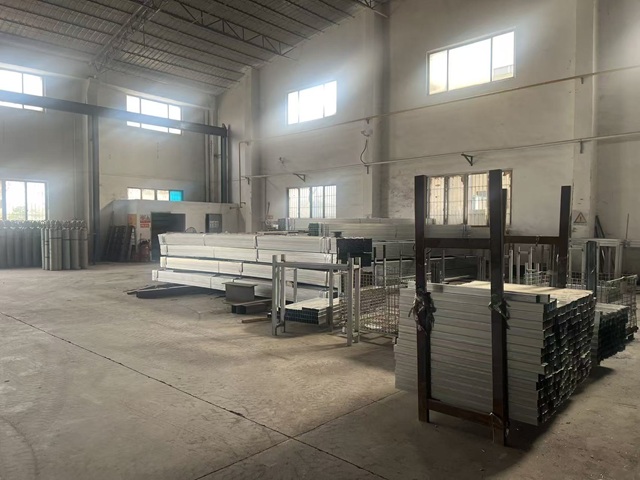
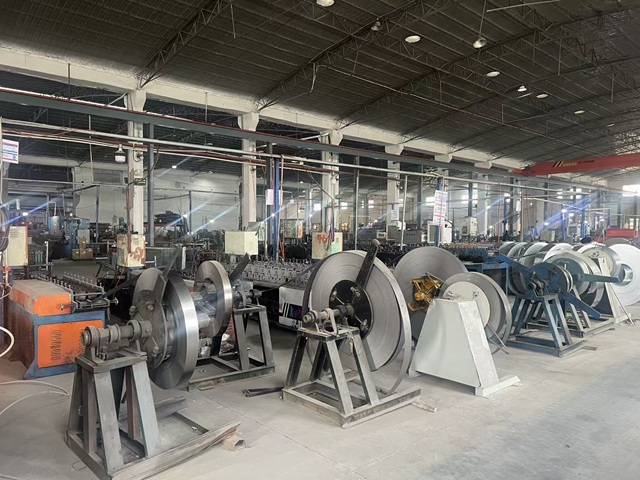
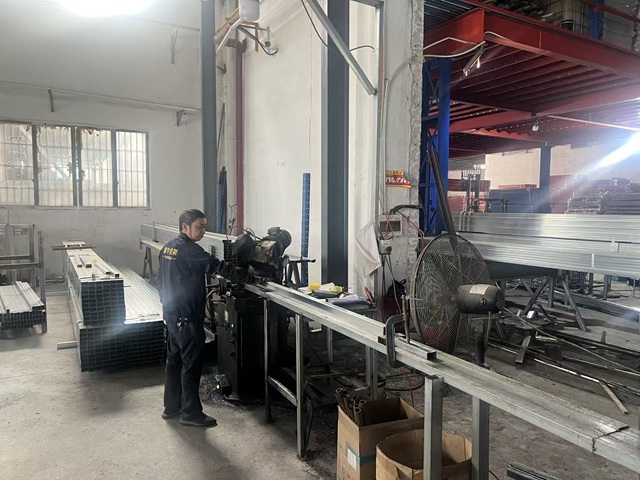
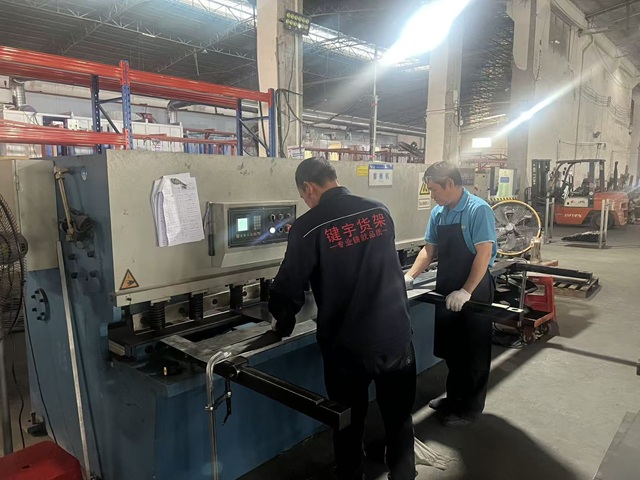
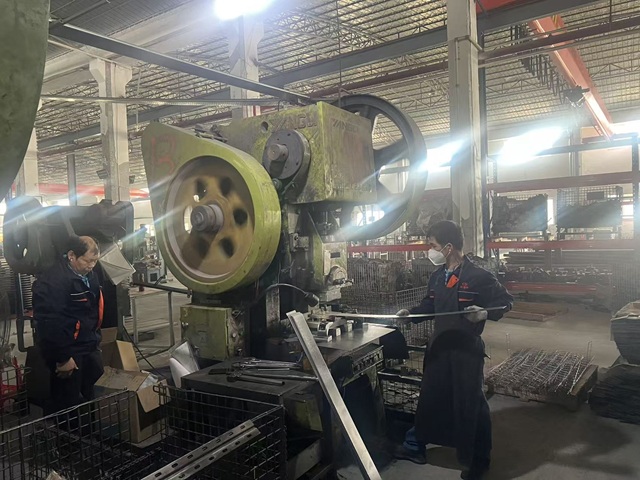
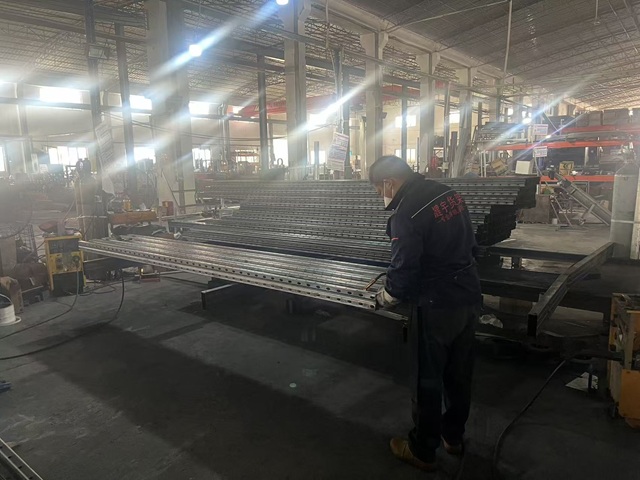
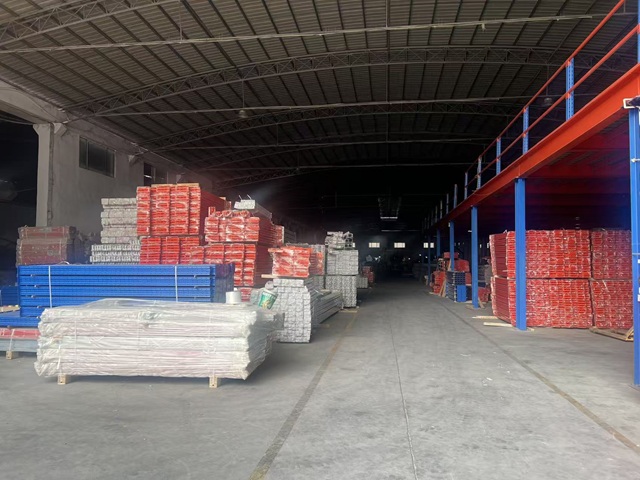
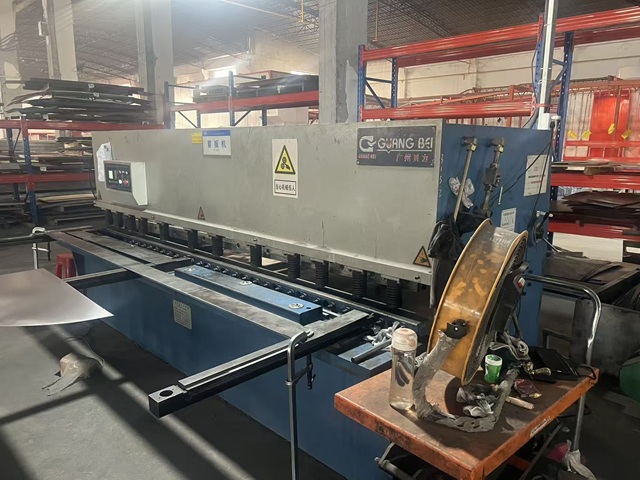
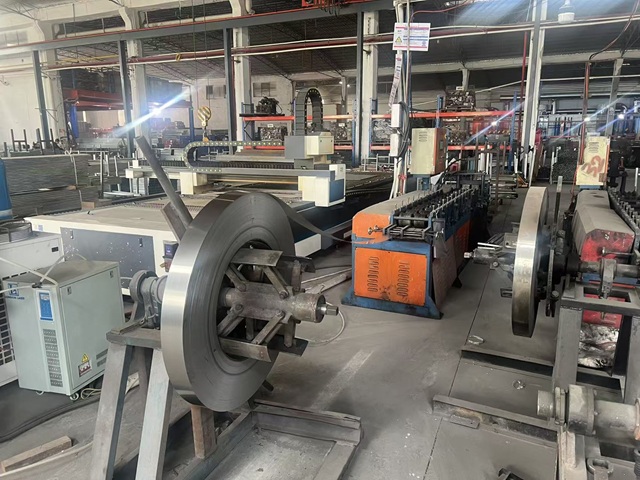
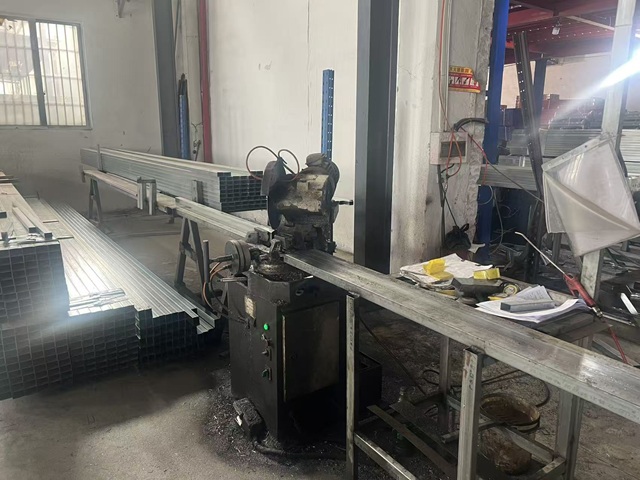
At Chengdu EcosystemRack Industrial Technology Co., Ltd. (established in 2019, built on 8 years of industry experience, and managing an 18,000 m² modern manufacturing facility), we integrate Industry 4.0 automation to achieve consistent dimension control, welding integrity, and long-term durability. By employing Automated Optical Inspection (AOI) alongside rigorous Salt Spray Corrosion Testing, our team of 18 experienced QC engineers ensures that every pallet rack beam, mezzanine pillar, and shelf panel sent to Jakarta maintains structural safety under constant heavy duty loading.
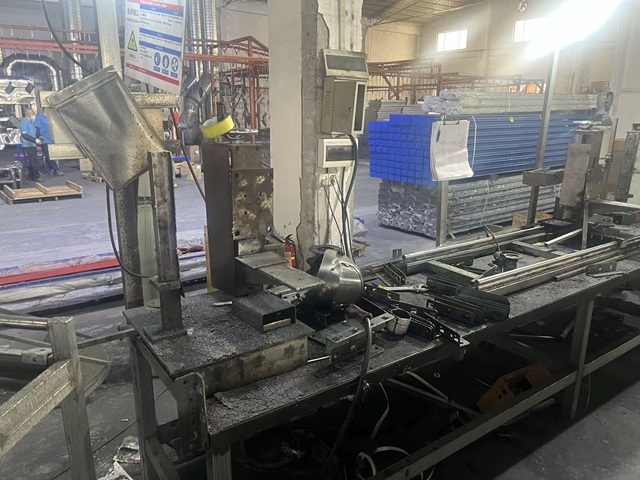
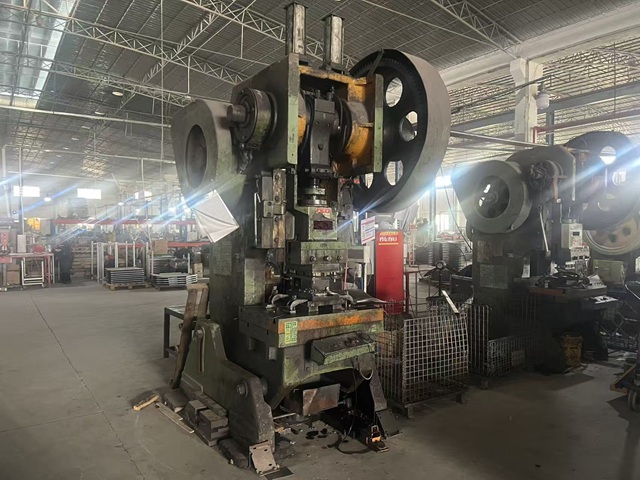
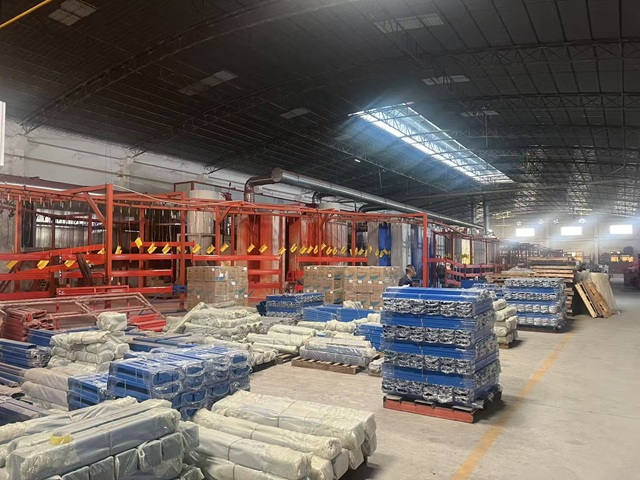
Jakarta's tropical monsoon climate features high relative humidity, often exceeding 85% year-round. This is an accelerating factor for rust and paint peeling on substandard structural steel. Over time, rust compromises the load capacity of racking, presenting serious warehouse risks.
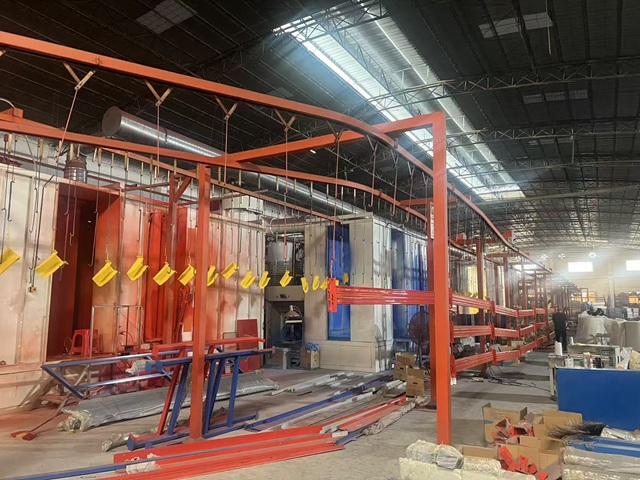
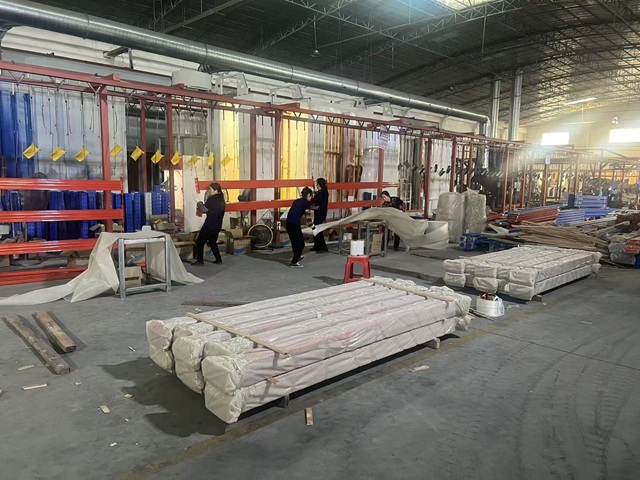
To combat this, EcosystemRack systems undergo a multi-stage chemical pre-treatment process, followed by electrostatic epoxy-polyester powder coating and thermal curing. This design creates an airtight barrier against moisture, preventing oxidation. Additionally, our R&D department (comprising 25 engineers with 45 new structural designs released annually) works directly with procurement managers to customize vertical clearances, platform deck options (plywood, steel grids, or wire mesh), access staircases, and loading gates, tailoring each build to the user's material handling equipment (MHE).
Industrial scale projects require cost predictability and delivery speed. Purchasing racking systems through intermediaries in Indonesia adds markups that drive up capital expenditure. Sourcing directly from our automated production facility in China offers clear financial and logistical advantages.
Through established partnerships with 450 raw material and supply chain vendors, EcosystemRack maintains production lead times even during global steel market fluctuations. Logistically, shipping from our factory to the Port of Tanjung Priok is streamlined: we optimize container loading densities to reduce ocean freight rates, handle customs documentation to comply with ASEAN-China Free Trade Area policies (Form E, which yields zero-rate import tariffs on specific steel categories), and provide step-by-step installation guides for local assembly crews.
Did you know? Importing under Form E allows qualified businesses in Indonesia to save significantly on customs duties, making direct factory sourcing the most financially viable option for large-scale warehouse rollouts.
Storage configurations must be engineered for the specific goods they hold. Through our supply track record, we have engineered dedicated attic systems for diverse commercial sectors:
Addressing the technical, logistical, and structural questions of procuring industrial racking and mezzanine systems in Jakarta.
Comprehensive steel structures, warehouse racking components, and custom displays for commercial applications.
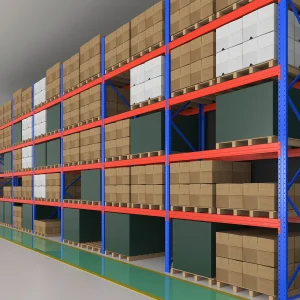
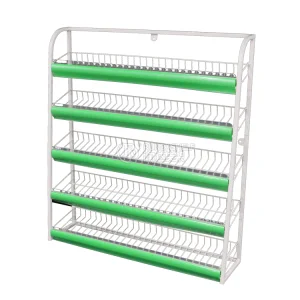
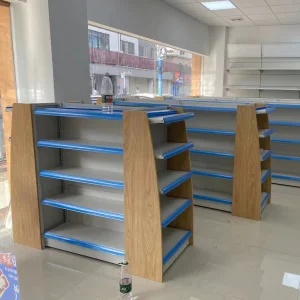
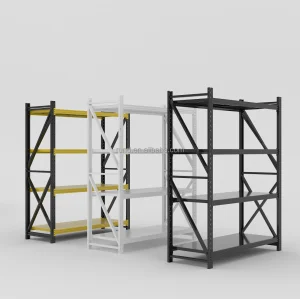
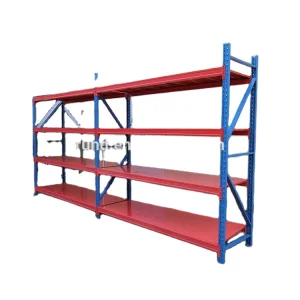
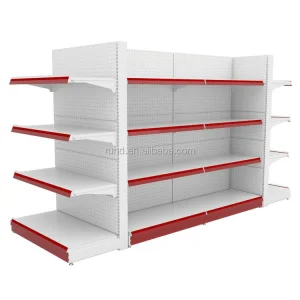
Contact our structural engineers today to receive a free, customized layout design and price quote for your warehouse project in Jakarta.
Send Inquiry Now EcosystemRack