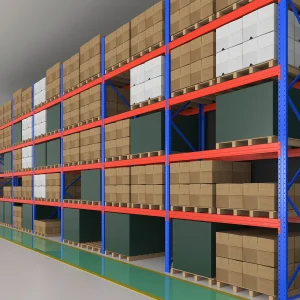
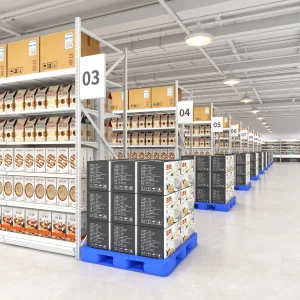
Engineered for extreme environments, high structural integrity, and optimized warehouse space utilization.
How structural modularity drives cost efficiencies, seismic resistance, and dynamic scalability in global warehousing.
In modern industrial facilities, storage infrastructure is no longer static. It is a dynamic component of global logistics networks. With the surge of Automated Guided Vehicles (AGVs), Autonomous Mobile Robots (AMRs), and Automated Storage and Retrieval Systems (AS/RS), the physical demand placed on modular shelving systems has escalated dramatically. Upright deflection limits, floor-loading specifications, and structural tolerances must adhere to strict international codes to prevent catastrophic failures.
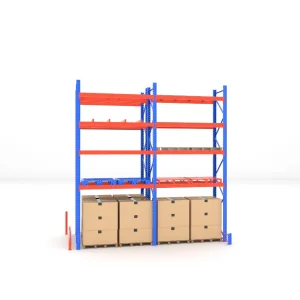
As a leading authority in industrial racking, Chengdu EcosystemRack Industrial Technology Co., Ltd. approaches storage design from an engineering perspective. Utilizing premium-grade cold-rolled steel profiles, such as Q235 steel, we configure configurations that support immense load capacities while maintaining structural integrity. Modularity ensures that components—ranging from heavy-duty pallet racking beams to cross-bracing and support bars—can be retrofitted, height-adjusted, or expanded without requiring complete system overhauls.
Our structures conform strictly to the AS4084 steel storage racking standard, analyzing seismic forces, dynamic impact resistance from material handling equipment, and precise shear limits under high load conditions.
Through customized heights, narrow aisle layouts, and dynamic double-sided configurations, EcosystemRack designs increase spatial footprint utilization by up to 65% compared to traditional static shelving systems.
Chronological representation of EcosystemRack's end-to-end manufacturing workflow and engineering equipment capabilities.
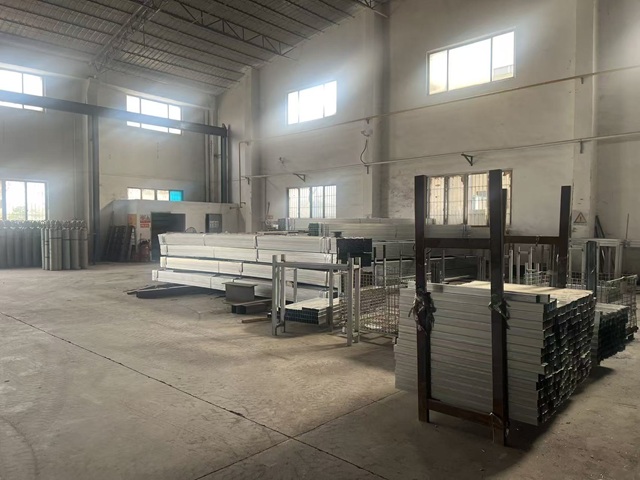
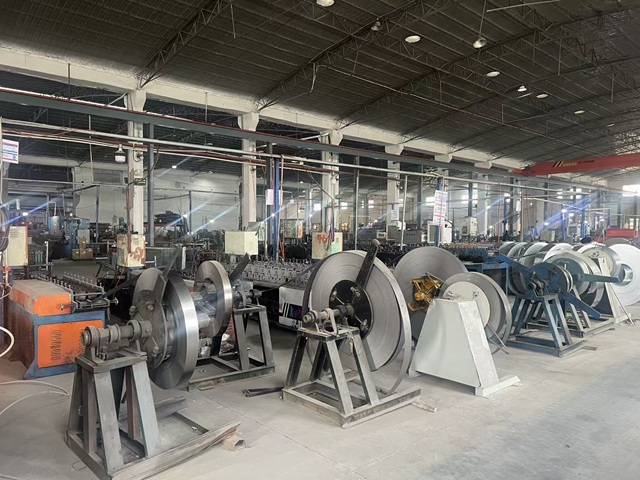
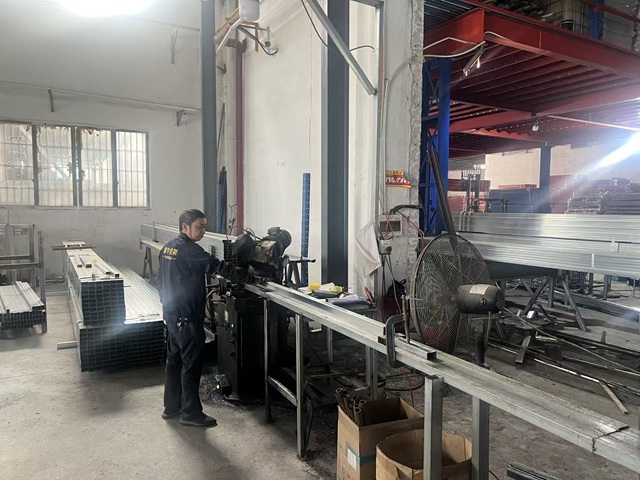
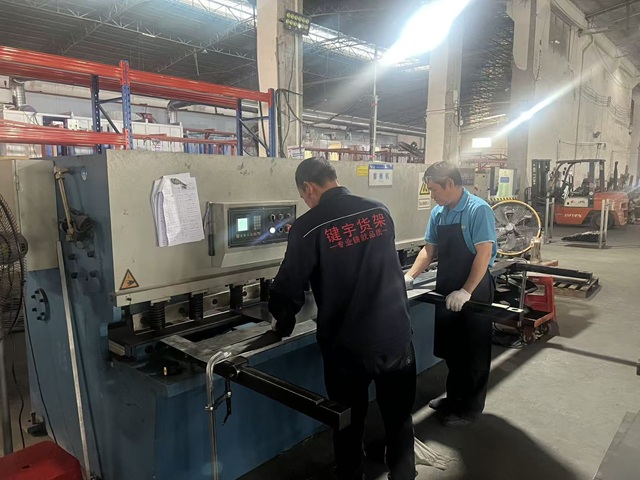
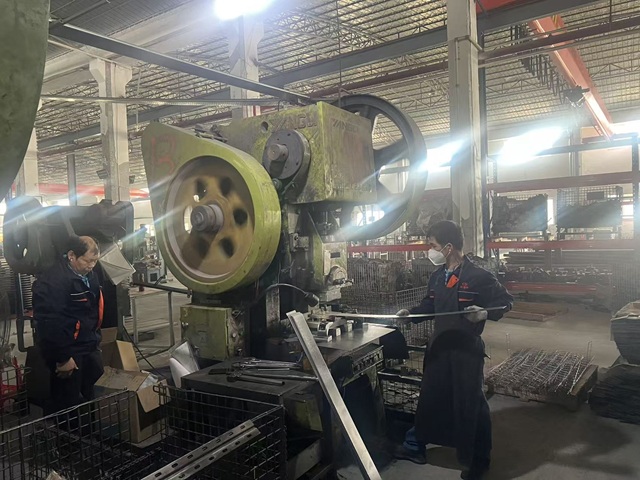
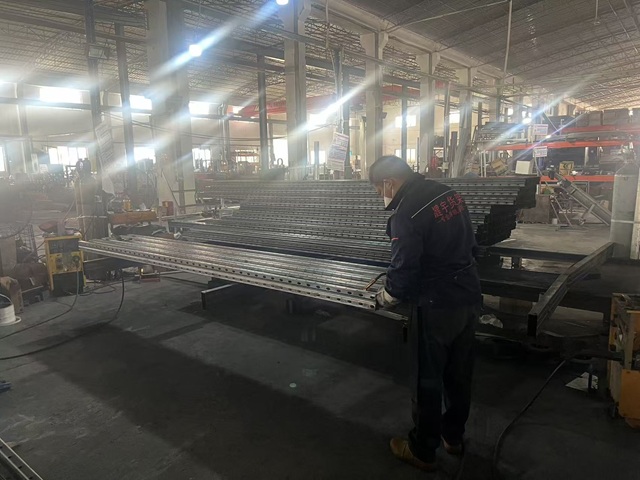
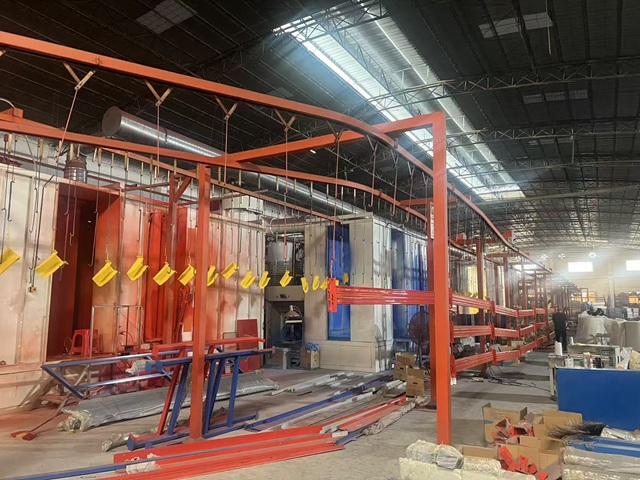
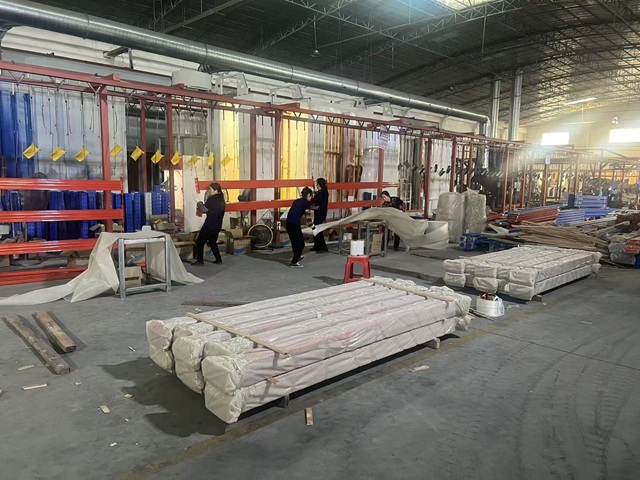
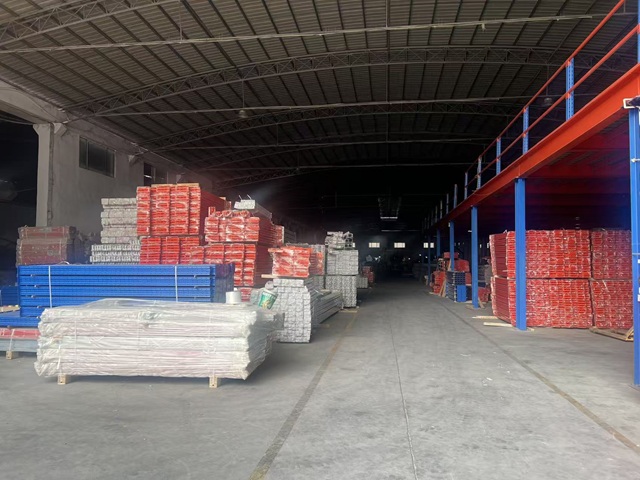
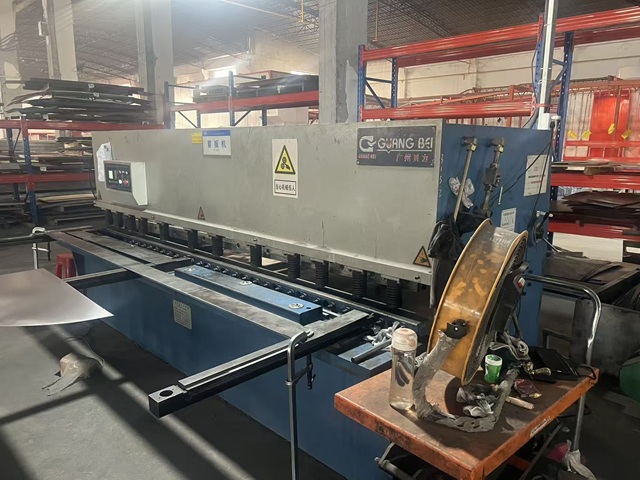
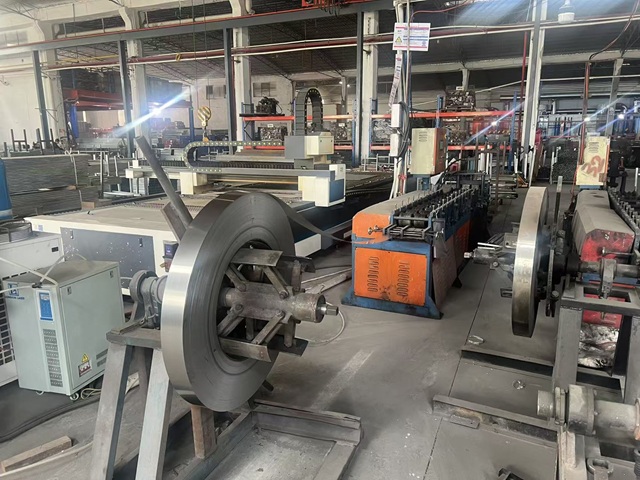
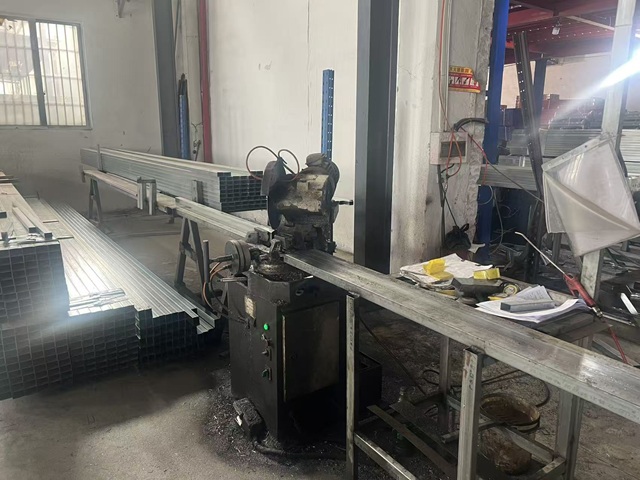
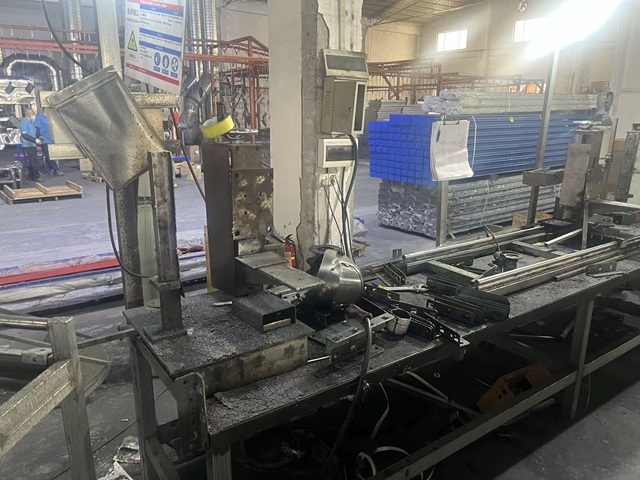
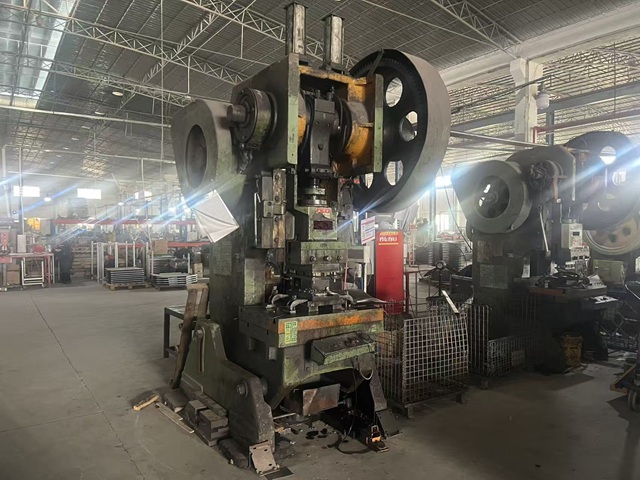
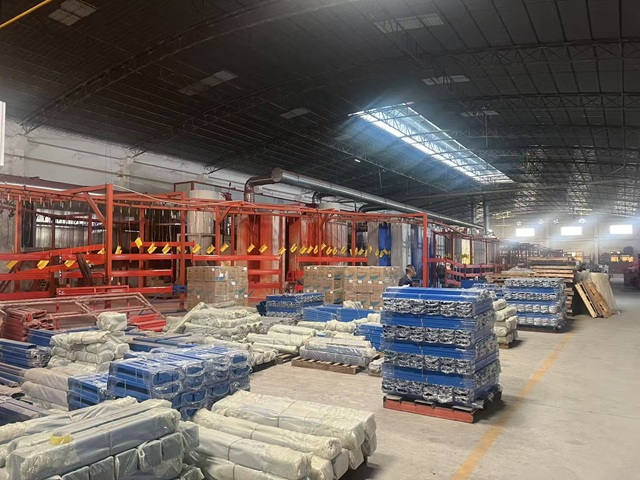
EcosystemRack's 18,000 m² modern manufacturing hub utilizes a fleet of advanced processing machines to enforce quality controls at each station. Cold roll forming line systems process raw high-strength steel coils into precise upright columns. Programmed shearing machines and CNC bending equipment ensure dimensional tolerances are kept under 0.5mm, a critical threshold for automated multi-tier racking projects where high-speed shuttle robots operate.
To assure long-term reliability in highly corrosive environments, EcosystemRack executes a rigorous pretreatment phase before electrostatic spray coating. An 18-engineer QC department utilizes Automated Optical Inspection (AOI) to check welds, while Salt Spray Corrosion Chambers monitor the resilience of protective powder coatings. By maintaining strict control over bending, punching, welding, and painting, we produce equipment that consistently satisfies international compliance rules.
Addressing localized legal frameworks, certification metrics, and structural safety requirements for overseas markets.
Exporting to key regions across Eastern Europe, Central Asia, and East Asia demands localized engineering alignment. We align with European standards (FEM guidelines) and the Australian AS4084-2012 code, validating structural load tolerances using finite element analysis (FEA). Additionally, our systems possess TÜV Rheinland certification, certifying that structural load ratings, fire safety ratings, and raw steel certifications match local construction specifications.
We work directly alongside material handling wholesalers, logistics system integrators, and OEM buyers. By supplying detailed engineering diagrams, CAD layouts, load calculation documents, and step-by-step installation manuals, EcosystemRack accelerates project sign-offs and makes sure local health and safety inspectors accept the final setup.
EcosystemRack's global supply chain resilience is rooted in our network of over 450 certified material suppliers. This secure sourcing network helps us mitigate steel cost volatility and supply-line interruptions, allowing us to maintain stable production schedules. Whether providing customized anti-static coatings, custom safety beam locks, or specialized seismic column bases, our team provides flexible manufacturing to match specialized industrial guidelines worldwide.
Customized storage, display, and intralogistics configurations mapped to specific industrial settings.
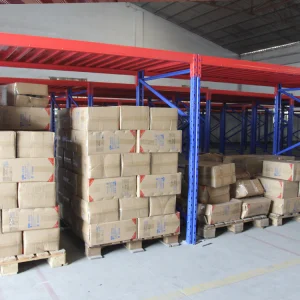
Our corrosion-protected modular systems withstand sub-zero conditions (-30°C) without steel embrittlement. They are well-suited for high-density, multi-tier automated drive-in pallet configurations in food and pharmaceutical logistics.
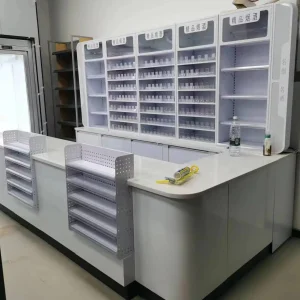
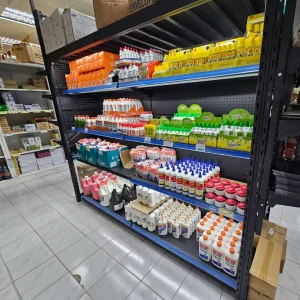
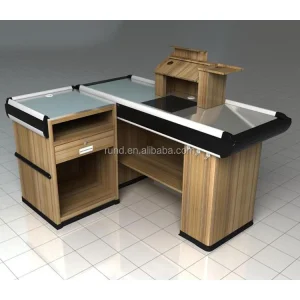
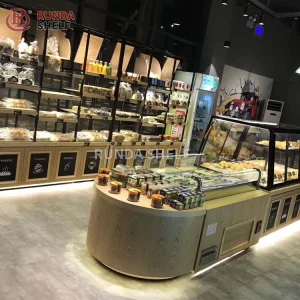
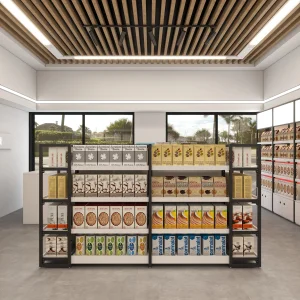
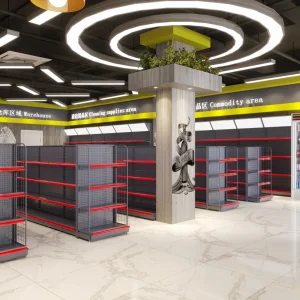
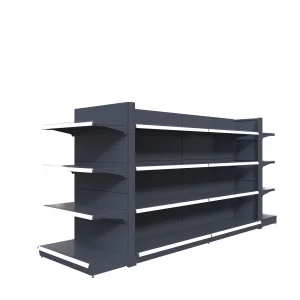
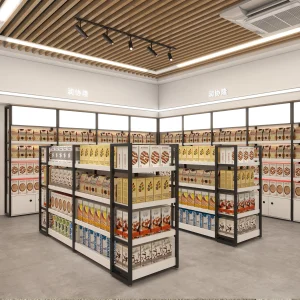
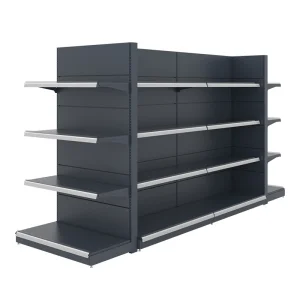
Combining structural steel frames with wood or MDF accents, our supermarket checkout counters and multi-tier gondolas support high consumer traffic while presenting a modern aesthetic.
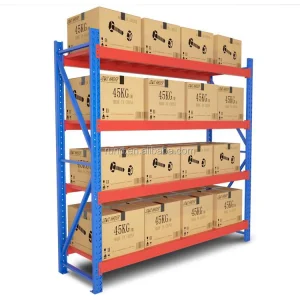
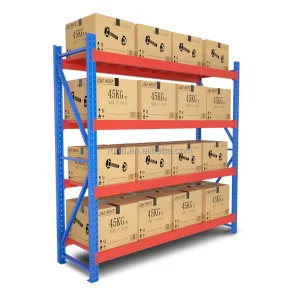
Our heavy-duty steel shelves hold dies, press molds, and industrial spare parts. Featuring structural safety pins and solid beam locking plates, they prevent accidental displacements under heavy forklift impacts.
Multi-tier mezzanine floors and adjustable shelf spaces support dynamic SKU slotting changes. Their design allows order picking staff to make rapid alterations as seasonal demand fluctuates.
EcosystemRack's development goals and R&D direction for the next phase of warehouse automation.
We are currently integrating fiber optic and piezoresistive sensors within load-bearing upright beams. This technology aims to provide real-time weight and deflection alerts, warning warehouse managers of overload anomalies or impact damages before failure occurs.
Responding to harsher environment demands, our R&D team is formulating nano-ceramic powder formulas. These coatings are designed to double salt spray resistance and increase abrasion tolerances, offering long-term protection in coastal region logistics hubs.
We are transitioning to high-strength low-alloy (HSLA) steel grades, minimizing system weight by up to 15% without sacrificing maximum load ratings. Additionally, we are integrating eco-friendly VOC-free curing systems to lower our production carbon footprint.
Insights into quality compliance, structural engineering, load testing, and custom capabilities.
Flexible options designed for commercial front-ends, supermarket chains, and light-duty distribution centers.
 EcosystemRack