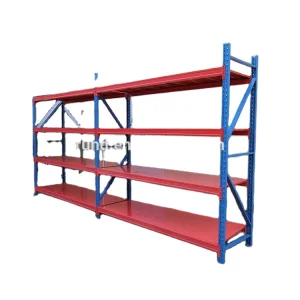
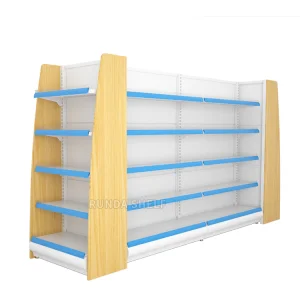
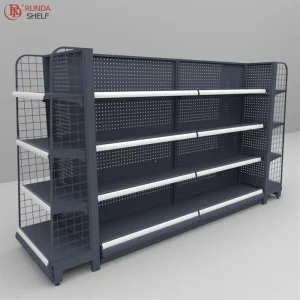
In the wake of rapid global digital transformation, the industrial storage and warehouse logistics sector has pivoted from static racking solutions to intelligent, dynamic, and software-integrated structural engineering. Modern supply chain operations demand structural reliability, safety standards compliance, and maximizing space utilization. High-density storage racking systems like Automated Storage and Retrieval Systems (AS/RS), heavy-duty drive-in pallet racking, and specialized retail gondolas constitute the backbone of international retail, cold chain logistics, pharmaceutical warehouses, and smart factories.
Driven by strict regional regulatory frameworks (such as Europe's EN 15512 standards and Australia's AS4084 guidelines), selecting a reliable manufacturer is no longer just about searching for the lowest price per ton of steel. Global procurement directors now weigh complex risk variables: raw material steel grade integrity (typically Q235B or Q355B structural steel), anti-corrosion chemical treatment processes, welding quality certification, and local shipping compliance.
A prime example of modern industrial excellence is Chengdu EcosystemRack Industrial Technology Co., Ltd. Established in 2019, the enterprise operates within a state-of-the-art 18,000 m² manufacturing facility. Leveraging over 8 years of industry-specific engineering experience combined with a robust 5-year global export track record, the company facilitates seamless international procurement processes, generating over $8,500,000 in annual export revenue.
Operating under stringent quality management principles, all racking systems conform to international certifications, including TÜV Rheinland and AS4084 standards. To guarantee structural safety in high-stress industrial configurations, Chengdu EcosystemRack employs advanced quality testing mechanisms:
The firm serves as a strategic production partner for three primary target groups: Factory Direct Buyers needing direct high-volume industrial assets, Material Handling Equipment Wholesalers requiring standardized portfolio supply, and System Integrators designing fully-automated warehouse installations. With deep market networks in Eastern Europe, Central Asia, and East Asia, and supported by a robust supply chain network of 450 reliable vendors, the company delivers custom-tailored ODM/OEM configurations including modular rack designs, specialized beam safety locks, and anti-static ESD coatings.
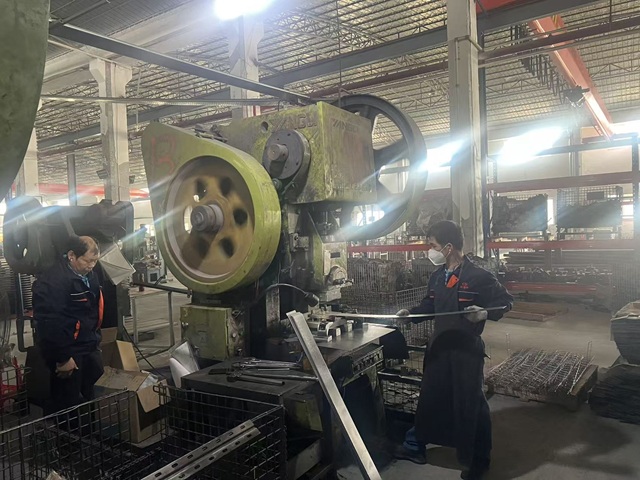
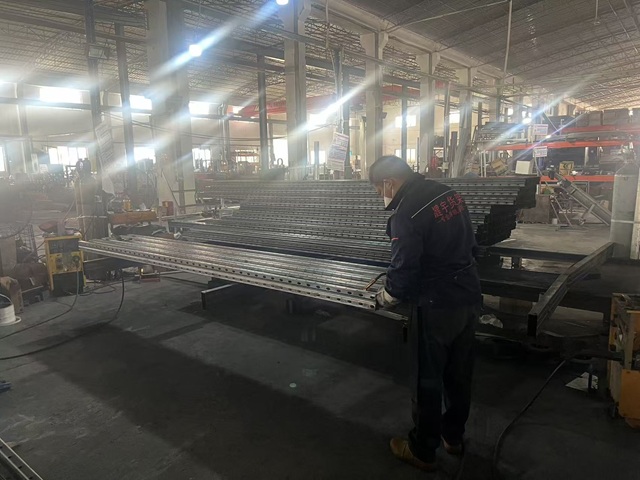
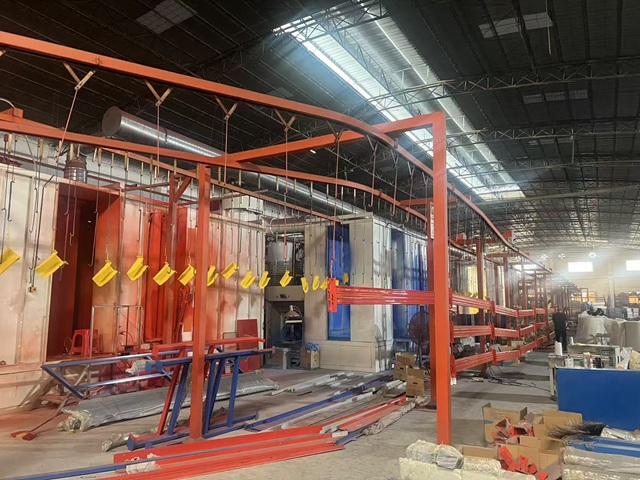
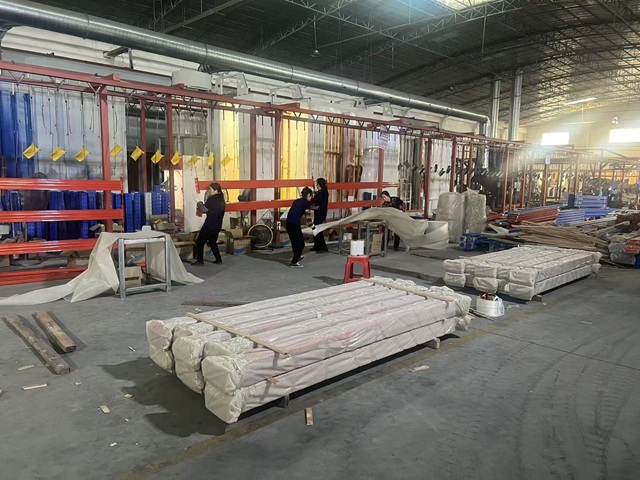
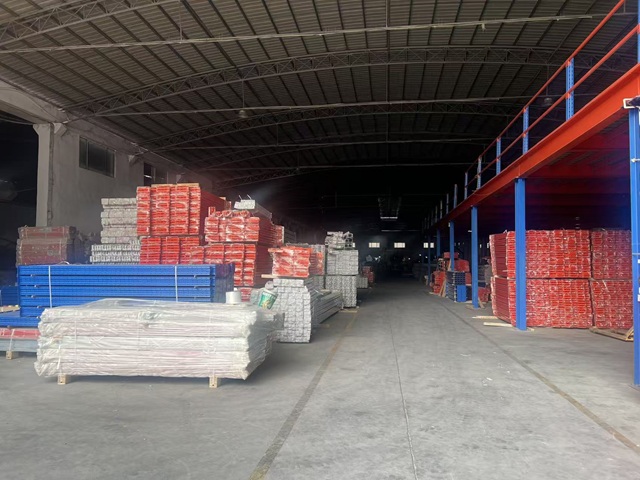
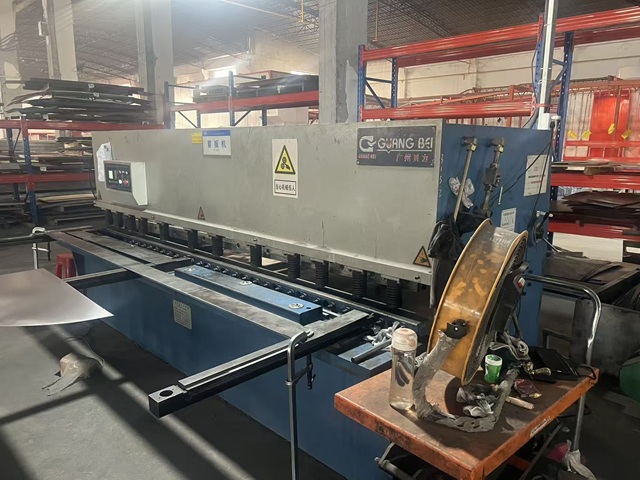
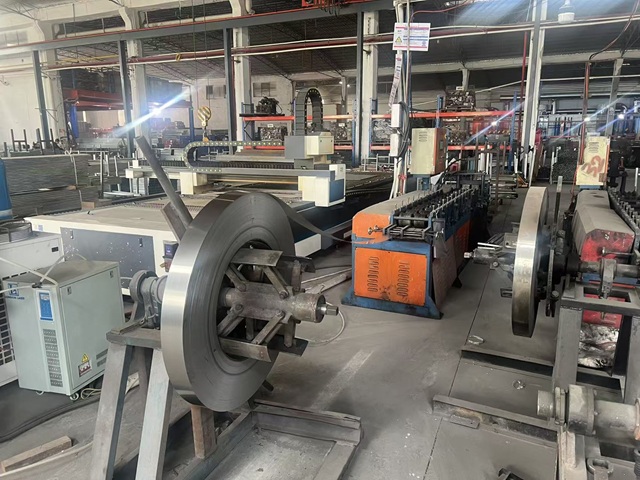
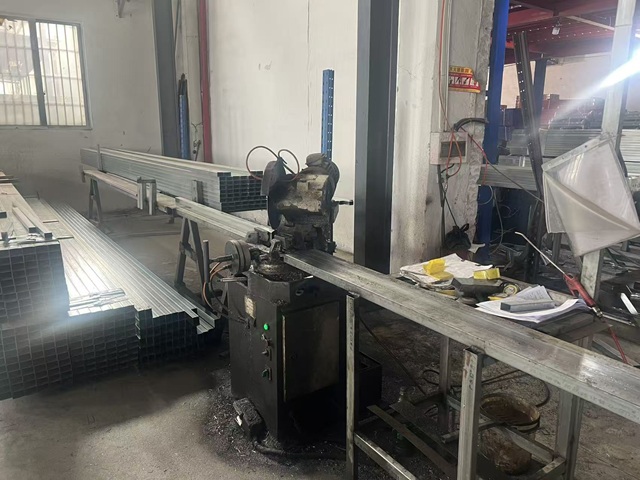
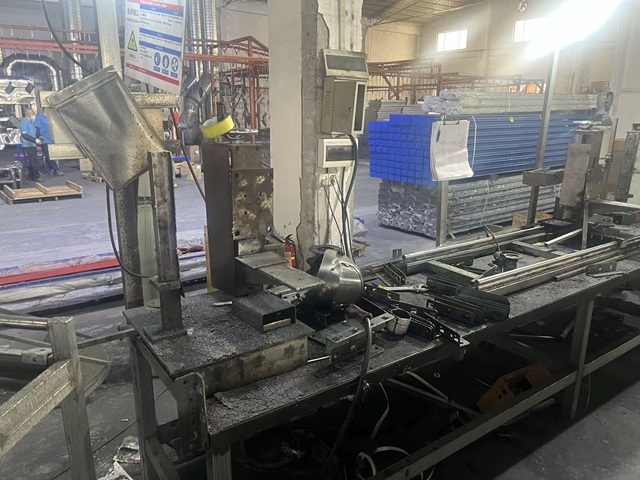
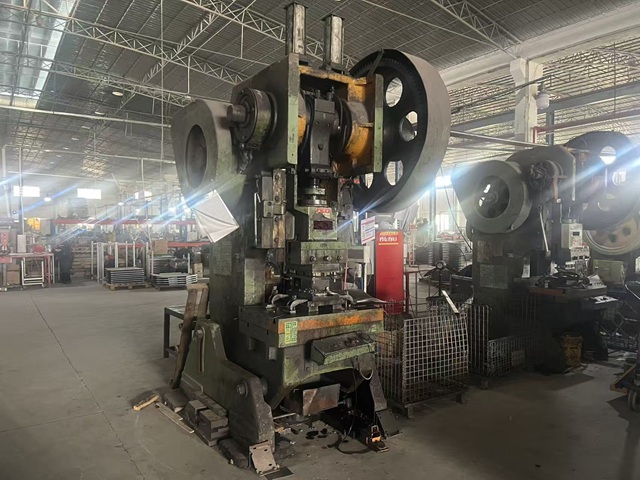
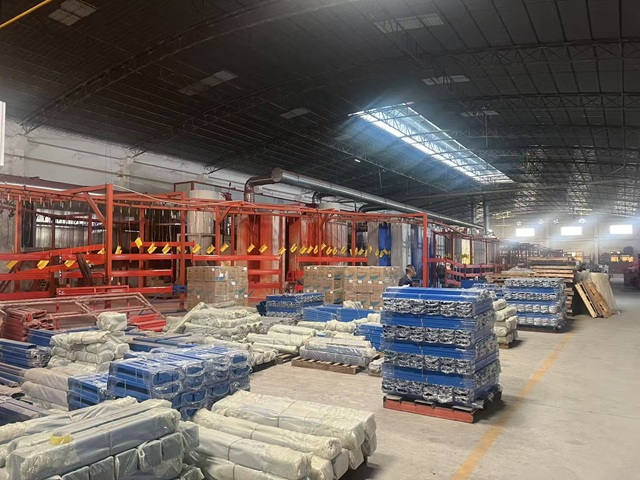
High-performance storage racks require high accuracy at every production stage. Minor dimensional deviations of just 1mm in upright cold-formed profiles can cause catastrophic load eccentricity over tall racking systems. Below is the complete visual documentation of our automated manufacturing pipeline, showing our dedicated CNC machinery and quality-assurance systems:
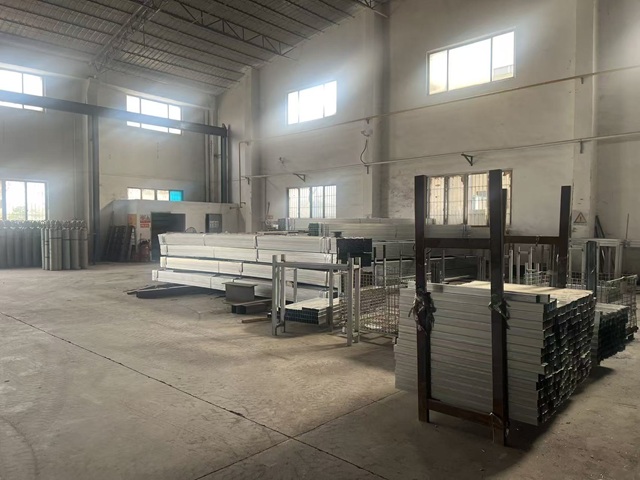
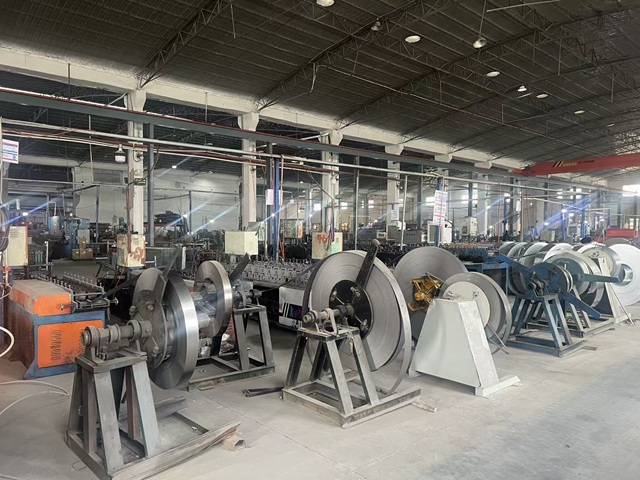
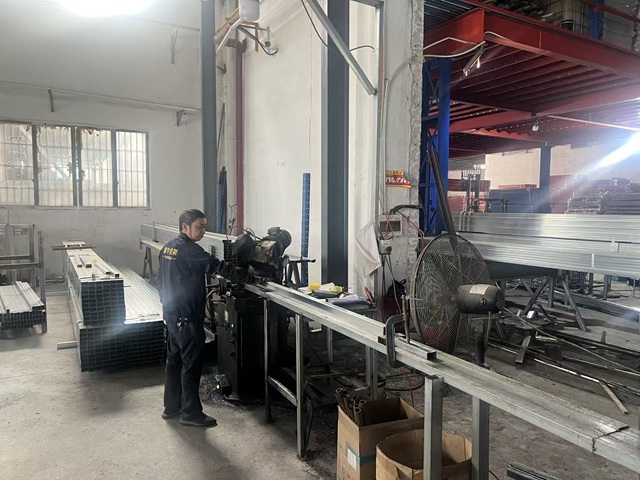
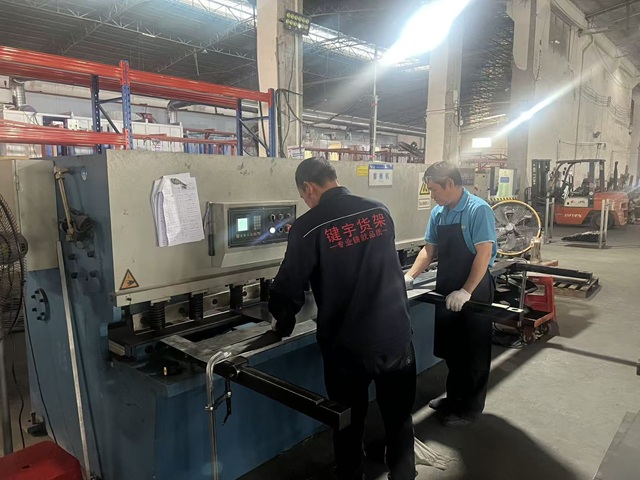
Storage solutions must adapt to specific commercial challenges. A standard warehouse rack layout built for ambient e-commerce distribution will fail inside an sub-zero cold storage chamber or a pharmaceutical cleanroom. Below, we examine the distinct engineering expectations for localized target segments.
| Industry Sector | Typical Mechanical Stresses | Critical Material Standard | Optimal Surface Treatment |
|---|---|---|---|
| Cold Storage & Freezers | Thermal contraction, high humidity, localized condensation | Q355D Low-temperature structural steel | Hot-Dip Galvanizing (80µm+ thickness) |
| Heavy Industrial Logistics | Forklift impact, seismic sway, extreme heavy load density | AS4084 compliance, thick gauge steel uprights | Textured Electrostatic Powder Coating |
| FMCG & Grocery Retail | High customer traffic, daily mechanical impacts, aesthetic integration | TUV-approved load capacities for shelves | Epoxy-polyester hybrid coating (RAL specific) |
| Pharmaceutical / Cleanrooms | Corrosive chemical washes, static electricity charge buildup | Anti-microbial raw surfaces, ESD control | Anti-static powder coating or Stainless Steel 304/316 |
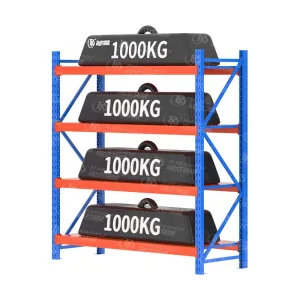
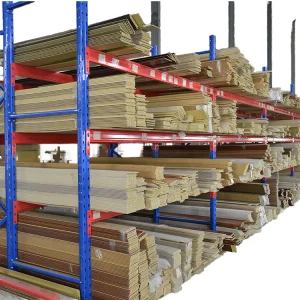
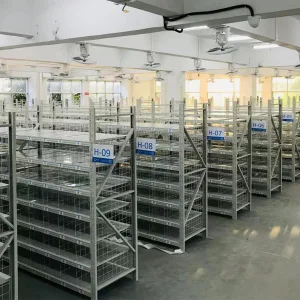
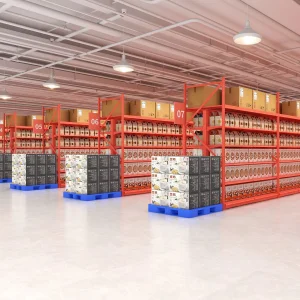
For major logistics nodes, heavy-duty racking must balance safety margins with spatial density. Modern configurations utilize high-efficiency roll-formed upright designs featuring adjustable hook-in box beams. With rated capacities ranging from 300kg to over 1000kg per level, we design safety factor metrics (typically SF 1.5 to 1.8) directly into our calculations, preventing beam deflection and structural fatigue over long operating cycles.
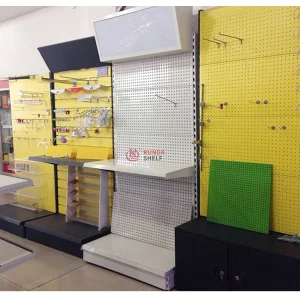
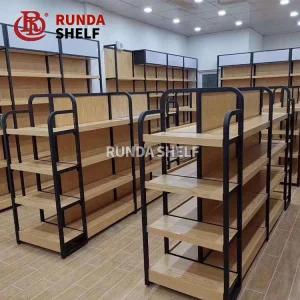
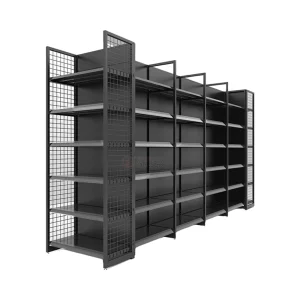
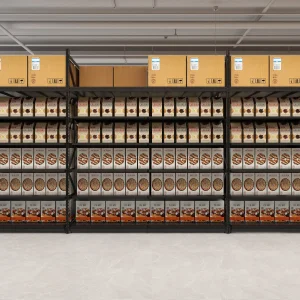
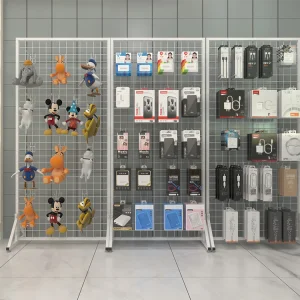
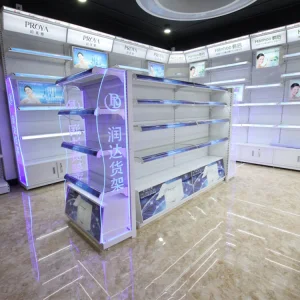
Unlike heavy industrial systems, grocery and pharmacy displays focus on layout flexibility, durability, and aesthetics. Custom gondola rack units combine steel stability with wood styling to enhance the retail atmosphere. Powder coatings must resist scratches and withstand daily cleanings, preventing paint peeling or corrosion under typical retail wear and tear.
The future of industrial storage lies in structural sustainability and IoT integration. Over the past year, Chengdu EcosystemRack’s 25 R&D engineers developed 45 new product designs to address key industry trends:
To assist global procurement directors, materials handling engineers, and warehouse managers in making informed decisions, our technical team answers the industry's most common sourcing and design questions:
A: These standards govern structural safety, design tolerances, and test protocols. In Australia, AS4084:2012 (and its updates) sets specific testing parameters for upright frames and beam connectors. In Europe, EN15512 uses a limit state design method. Sourcing systems that don't meet these standards can lead to insurance denial, legal issues in the event of an accident, and high operational risks.
A: Most reputable manufacturers use high-strength carbon steel, such as Q235B for standard racking beams and Q355B (similar to ASTM A572 Grade 50) for tall upright columns where high yield strength is critical. For cold-storage applications, we recommend specialty sub-zero grades (such as Q355D) to prevent low-temperature steel embrittlement.
A: The Salt Spray Test (typically per ASTM B117) places coated steel samples in a humid, saline chamber to accelerate corrosion. A standard powder-coated shelf should withstand at least 250 to 500 hours of continuous exposure without significant blistering or rust creep. For humid or refrigeration environments, hot-dip galvanized finishes or specialized epoxy base coats are recommended.
A: With a nimble engineering team of 25 R&D specialists, standard modifications take about 3 to 7 working days to finalize in CAD. Once the design is approved, fabrication and finishing take 20 to 30 days depending on order size. This ensures timely delivery through our network of 450 supply chain partners.
 EcosystemRack