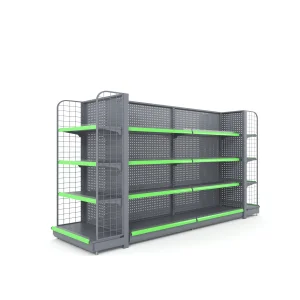
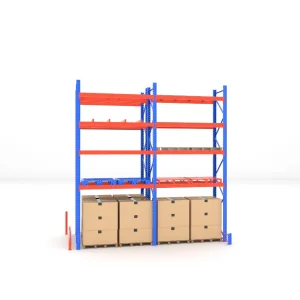
Top 10 Pantograph Shelving Factories & Exporters

An Industry Whitepaper on Global Supply Chain Efficiency, Advanced Mechanical Racking Systems, and High-Density Warehouse Optimization

Section 1: Global Industrial & Commercial Landscape of Pantograph Shelving

How the scissor-extension mechanism is redefining warehouse density and intra-logistics automation

In modern industrial logistics, maximizing spatial efficiency while retaining selective access to products is the ultimate operational goal. Pantograph Shelving Systems (often utilizing a mechanical scissor-extendable frame or integrated with deep-reach pallet configurations) represent the cutting edge of high-density storage solutions. By utilizing dynamic scissor linkages, these shelving structures allow pallets or storage bins to be pushed back or extended forward into aisles. This eliminates the necessity of dedicated access lanes for every shelf profile, optimizing the floor area yield of warehouses by up to 40% compared to standard static racking systems.

Globally, the integration of automated retrieval systems (AS/RS) and automated guided vehicles (AGVs) has forced a shift from traditional single-deep rack formats toward flexible, scissor-extendable pantograph solutions. Whether deployed in multi-level logistics terminals in Eastern Europe or micro-fulfillment hubs across East Asia, these systems reduce material handling times, mitigate collision risks, and ensure reliable continuous duty. Procurement professionals evaluate pantograph designs based on their fatigue limits, joint wear tolerances, structural payload ratings, and structural longevity under extreme cyclic stresses.

Section 2: The Core Strategic Manufacturing Advantages of Chinese Factories

Unmatched value generation via metallurgical integration, automated production, and supply chain synergy

The manufacturing ecosystem of China remains the global cornerstone for steel fabrication, especially in heavy-duty shelving, cantilever systems, and structural racking components. This global dominance is fueled by structural advantages that guarantee both cost-efficiency and uncompromising quality compliance:

Advanced Metallurgical Sourcing

Direct supply agreements with premium domestic mills guarantee access to certified high-grade Q235B and Q355B structural steel, optimizing structural yield strength.

⚙️

Automated Precision Machining

From high-speed roll forming lines to automated robotic welding cells, Chinese plants minimize dimensional variances to fractions of a millimeter, ensuring seamless field installation.

🔬

Rigorous Structural Testing

With localized testing procedures including finite element analysis (FEA), weld-penetration micro-audits, and systematic salt-spray corrosion tests, products hold up under extreme operations.

These advanced production ecosystems translate directly to shorter lead times and deep customizable possibilities for global engineering procurement partners. By combining rapid custom prototyping (ODM/OEM) with integrated supply lines, Chinese factories efficiently handle large-scale rollouts that local regional fabricators cannot accommodate within identical delivery schedules.

Section 3: Featured Factory Spotlight

Chengdu EcosystemRack Industrial Technology Co., Ltd. — Setting Benchmarks in Heavy-Duty Material Handling Racking

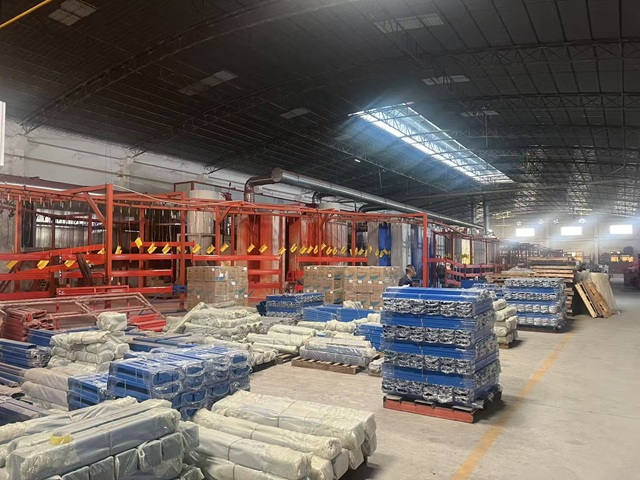
Chengdu EcosystemRack Industrial Technology Co., Ltd. was established in 2019, expanding over a manufacturing space of 18,000 m². Built on 8 years of industry experience and 5 years of global export track record, the company generates $8,500,000 in annual export revenue. Our operational capabilities are engineered to meet the stringent demands of top-tier industrial projects worldwide.

18,000 m²
Manufacturing Space
$8.5M
Annual Export Value
18 Engineers
Expert QC Team
45 Designs
New R&D Products Yearly

Maintaining rigorous quality compliance under TÜV Rheinland and AS4084 standards, we apply Automated Optical Inspection (AOI) and Salt Spray Corrosion Testing supervised by 18 experienced QC engineers. Our primary business is driven by Factory Direct Buyers, Material Handling Equipment Wholesalers, and System Integrators, with key export markets in Eastern Europe, Central Asia, and East Asia. Partnering with 450 reliable supply chain vendors, we offer tailor-made ODM/OEM solutions including modular rack configurations, specialized beam locks, and anti-static coatings. Driven by a nimble team of 25 R&D engineers, we released 45 new product designs over the past year.

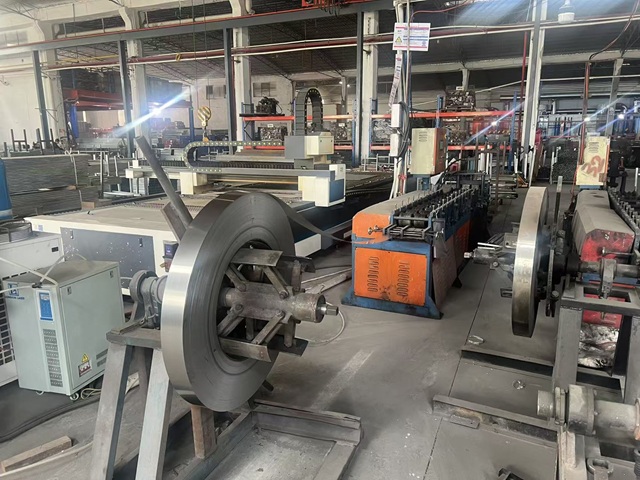
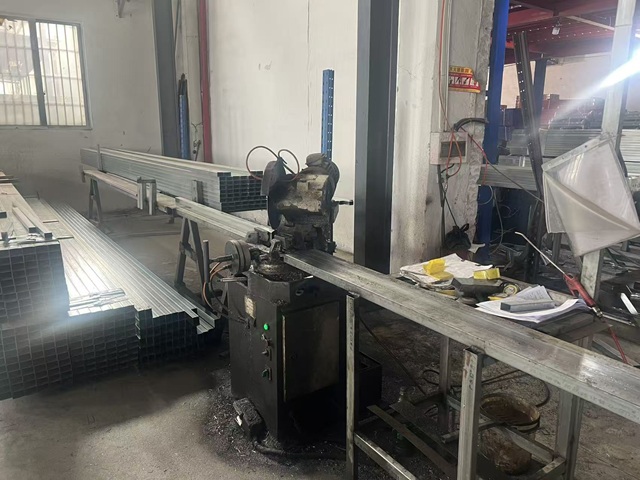
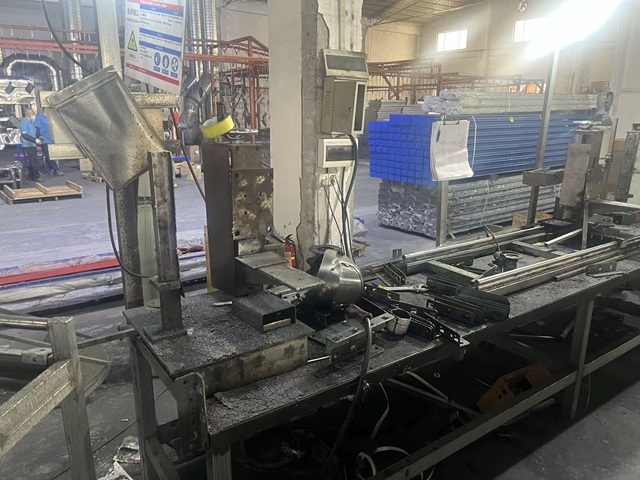
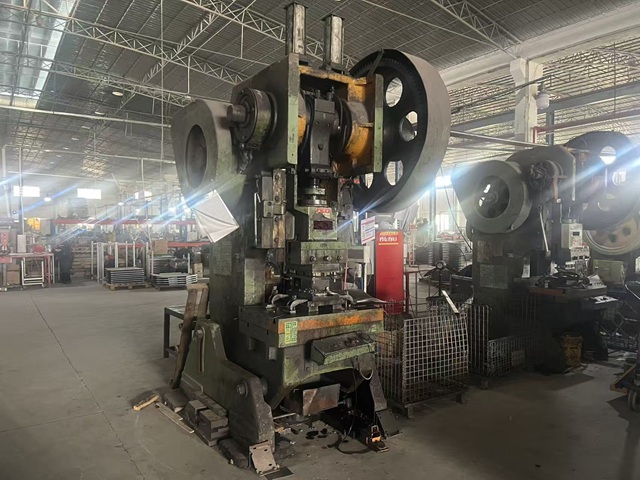
Section 4: The 15-Step Certified Industrial Production Flow

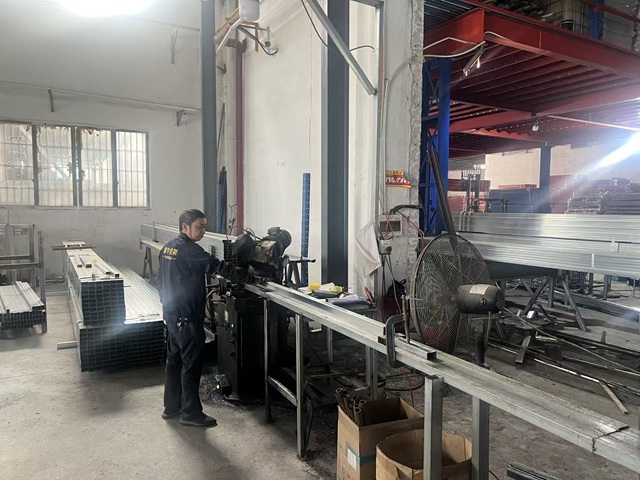
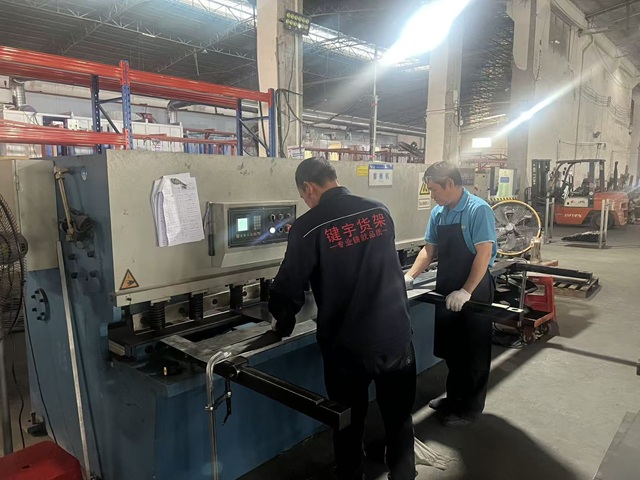
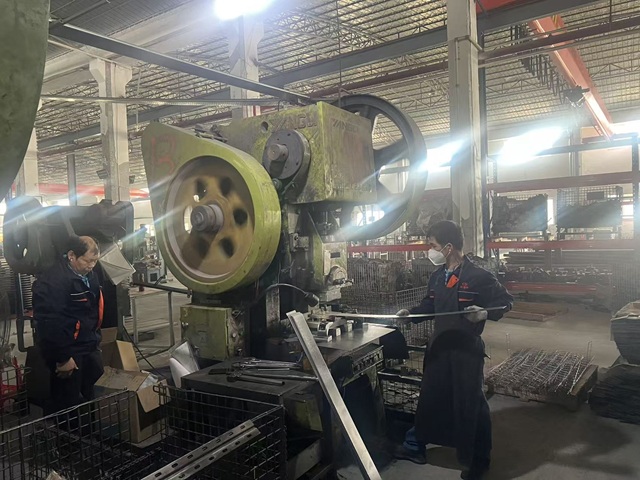
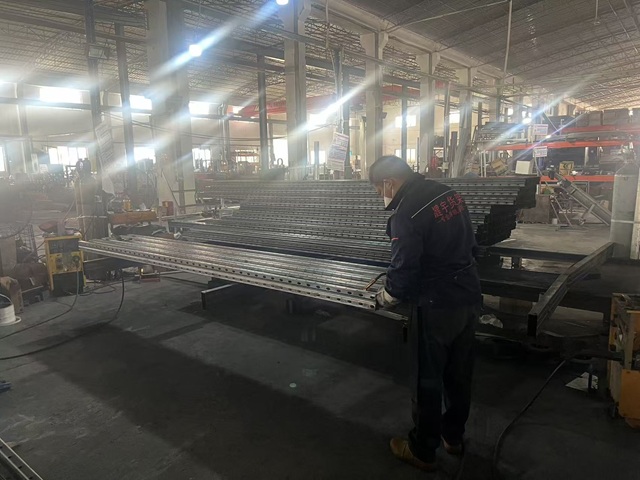
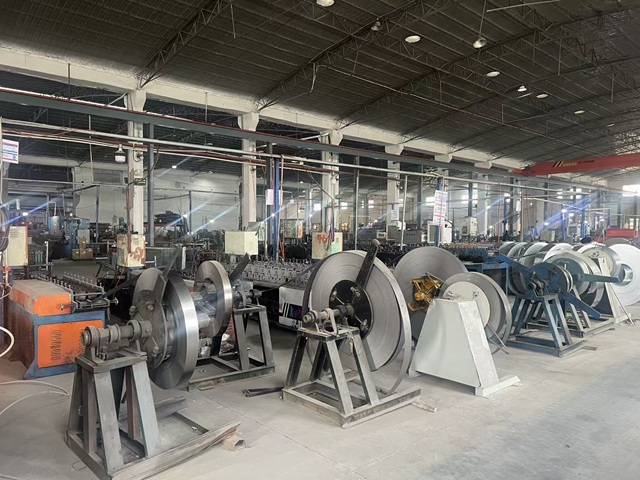
A behind-the-scenes look at the high-fidelity manufacturing processes and machinery backing our industrial standards
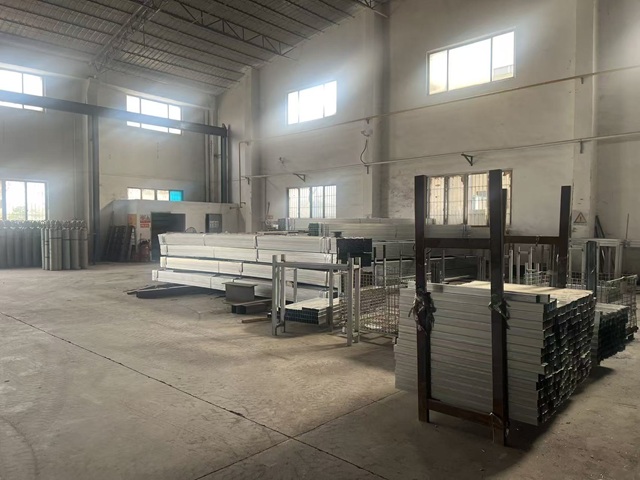
Raw Material Inspection & Storage
1. Raw Material
Integrated Molding Process
2. Integrated Molding
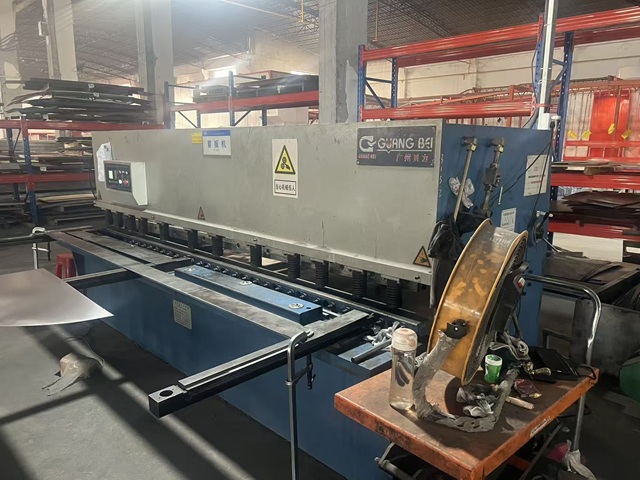
Precision Metal Shearing
3. Shearing
Metal Bending and Shaping
4. Bending
High-Speed Punching Machine Processing
5. Punching
Heavy-Duty Structural Welding
6. Welding
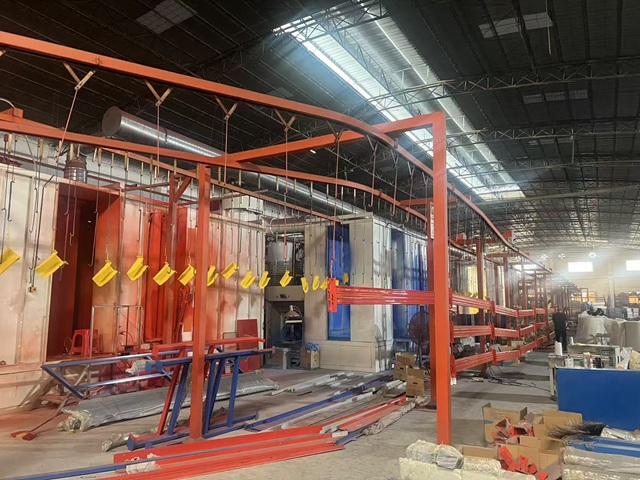
Electrostatic Spray Painting Lines
7. Spray Painting
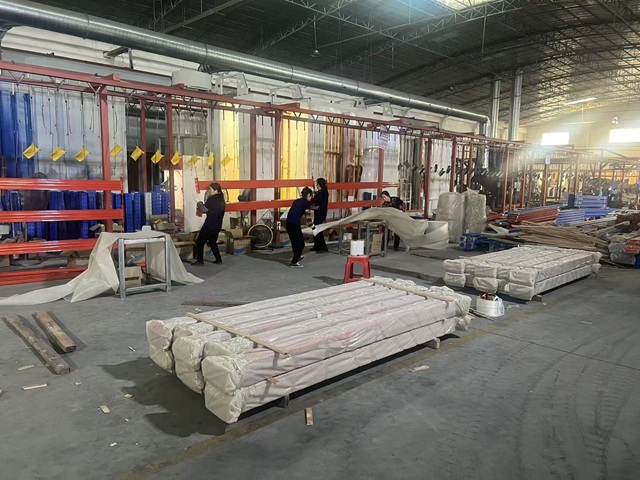
Industrial-Grade Export Packing
8. Packing
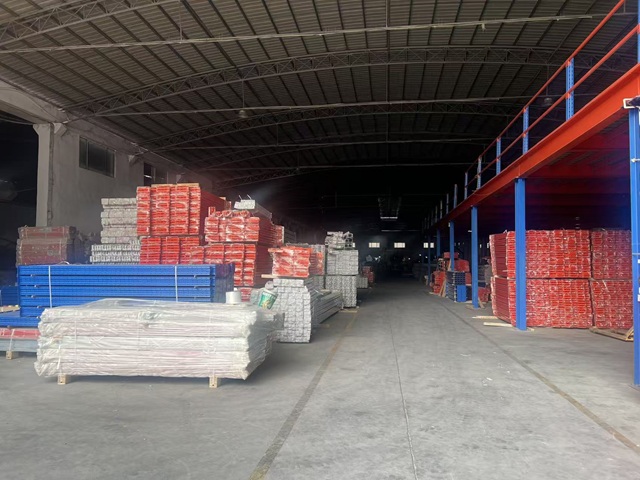
Finished Goods Warehousing
9. Warehouse
CNC Bending Machinery
10. Bending Machine
Continuous Automated Molding Line
11. Molding Machine
Heavy Metal Shearing Equipment
12. Shearing Machine
Robotic Arc Welding Stations
13. Welding Machine
High-Tonnage Punching Press
14. Punching Machine
Automated Powder Coating Line
15. Painting Machine

Section 5: Localized Application Scenarios & Global Case Profiles

How industries deploy scissor-extendable systems to tackle unique spatial constraints

The applications for Pantograph and high-density extendable racks span various industrial environments. Here is how specialized vertical markets apply these custom structural configurations:

  • Cold Chain Logistics: Cold storage floor space is among the most expensive operational real estate. Pantograph systems allow double-deep or triple-deep high-density storage configurations, reducing the total refrigerated volume required and cutting energy overheads.
  • Automotive Staging & Sub-Assembly: Just-In-Time (JIT) manufacturing requires components to be presented dynamically to the assembly line. Scissor-extendable shelving racks act as physical buffering zones, allowing automated forklifts or reach trucks to retrieve heavy engine or chassis component crates without disrupting worker safety areas.
  • Micro-Fulfillment & E-Commerce Hubs: Located in dense urban centers, these properties require vertical space utilization. Pantograph mechanisms integrated with lightweight metal display racks and shelving allow system integrators to squeeze shelving profiles closer together, utilizing automated mechanical arms to retrieve stock bins.

Section 6: The Engineering Buyer's Technical Procurement Checklist

Ensure regulatory compliance and long-term mechanical safety in high-density installations

For system integrators, design consultants, and material handling wholesalers, procuring shelving systems is a complex task. Use this engineered checklist to evaluate factory partners before signing supply agreements:

  1. Structural Certification: Verify whether the manufacturing lines comply with AS4084 (Steel Storage Racking standard) or have been audited by independent third parties like TÜV Rheinland. This mitigates operational liabilities.
  2. Deflection & Payload Safety Factors: Racks must handle their rated load limits without showing structural fatigue. Request physical testing documentation demonstrating load performance.
  3. Corrosion Resistance (Salt Spray Ratings): For environments with high humidity or chemical cleanings, ensure the powder coating has undergone extensive salt-spray testing.
  4. Welding Quality Auditing: Ask for Automated Optical Inspection (AOI) reports on welded joints, ensuring the structural steel frame has complete weld penetration.

Section 7: Future Technical Trends in Industrial Storage

IoT telemetry, composite materials, and integration with dynamic warehousing robotics

As logistics operations transition to automated paradigms, industrial storage is evolving. The next generation of shelving features smart mechanical components, including strain-gauge sensors embedded within load beams. This tech tracks deflection metrics in real-time, sending alerts to system operators before structural failures occur.

Additionally, green manufacturing methods shape current R&D. Factories use eco-friendly chrome-free conversion coatings and energy-efficient recovery systems on powder-coating lines. These innovations help global enterprises meet green logistics standards and align with international corporate environmental guidelines.

Section 8: Professional Engineering & Sourcing Q&A

Detailed insights to resolve complex design, deployment, and logistics management questions

What defines a pantograph shelving system, and how does it function?
A pantograph shelving system uses a scissor-like mechanical arm configuration. This allows the shelving surface or storage platform to extend outward over a workspace or aisle, and retract flat when not in use. It is widely used to maximize density in logistics applications, machine shops, and archival facilities by eliminating dedicated aisle access.
What are the safety standards required for importing heavy-duty steel shelving racks?
International structural integrity standards are vital for heavy industrial storage. In Europe and Oceania, compliance with AS4084:2012 (Australian Racking Standard) and EN 15512 (European Racking Standards) is required. Additionally, production plants should hold TÜV Rheinland certifications to verify consistent welding, raw material grading, and quality testing.
How does a double-deep racking system benefit from pantograph reach mechanisms?
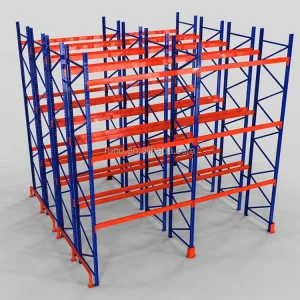
Double-deep racking systems position storage bays two-deep, cutting the number of required operational aisles in half. Forklifts equipped with a scissor-extendable pantograph mechanism can reach through the front pallet storage bay to safely access the second, rearward pallet bay, maximizing storage density.
What steel grades are typically used in Chengdu EcosystemRack's products?
We prioritize high-grade structural carbon steels, primarily Q235B and Q355B. These steel grades are selected for their excellent mechanical properties, yield strengths, weldability, and resilience under extreme cyclic stresses and sub-zero storage temperatures.
Why is automated optical inspection (AOI) important in the QC process?
Automated Optical Inspection (AOI) uses high-speed cameras and image processing algorithms to detect surface anomalies, structural deviations, or welding defects. This replaces manual inspection, ensuring that every product leaving the line meets dimensional tolerances.
What does salt spray corrosion testing confirm for industrial racking?
Salt spray testing measures a coating's corrosion resistance over time. By placing powder-coated steel samples in a continuous saltwater chamber, QC engineers verify the finish's lifespan. This ensures the racks stand up to humid, cold, or chemical cleaning environments.
Can these shelving systems be customized for automated AS/RS systems?
Yes, our engineering team regularly develops custom configurations. We customize beam locks, guide rail alignment features, and structural tolerances to ensure seamless integration with automated cranes, shuttles, and warehouse control software.
What is the standard lead time for global exports of wholesale racking systems?
Lead times depend on customization complexity and batch volume. Standard systems are produced within 3 to 4 weeks. High-volume custom projects requiring new profiles or colors are completed within 4 to 6 weeks, backed by our supply chain partnerships.