Expertly engineered high-density display and storage solutions crafted from premium grade steel.
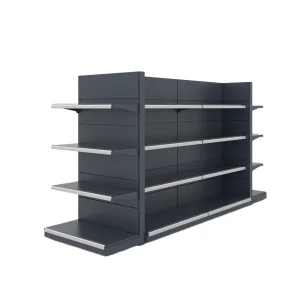
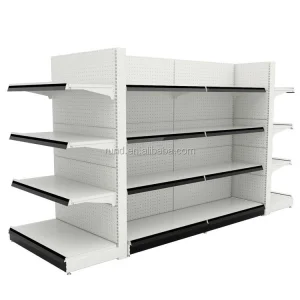
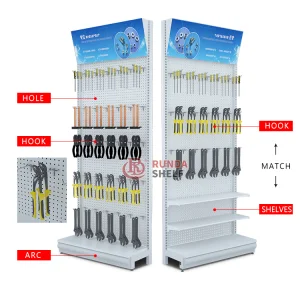
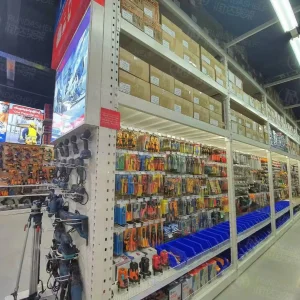
Chengdu EcosystemRack Industrial Technology Co., Ltd. leads with advanced materials, technology-driven quality audits, and high-performance execution.
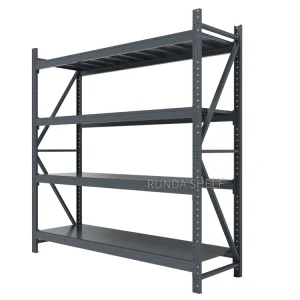
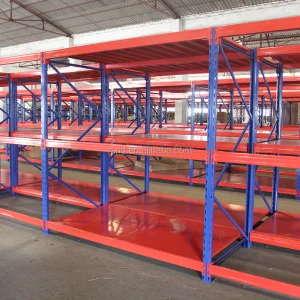
In the modern industrial layout, warehousing is no longer simply a place of rest for finished products; it represents a key, dynamic node in international supply chains. Heavy-duty racks are the physical skeletal structure supporting this system. From high-bay automated storage systems to pallet configurations in extreme cold storage environments, these racking installations manage high static loads, withstand dynamic seismic activities, and absorb repeated vehicle impactos.
The expansion of global e-commerce, automated warehouse technologies, and rapid distribution networks has significantly accelerated the demand for customized racking systems. Markets across Eastern Europe, Central Asia, and East Asia are undergoing massive infrastructure updates, requiring heavy-duty storage racks that comply with high safety and manufacturing quality benchmarks.
The structural integrity of industrial racking starts with raw material selection. High-grade cold-rolled steel (predominantly Q235B and Q355B) is chosen for its structural yield strength and elongation characteristics. Upright frames are cold-formed into complex, multi-bend profiles, improving the radius of gyration and resistance to local buckling under load.
Additionally, locking pin mechanisms and beam connections are vital. Heavy-duty applications require specialized, multi-claw connectors with automated locking pins that resist accidental dislodgement from forklifts. Racks can also be integrated with customized anti-static (ESD) and corrosion-resistant powder coatings, extending operational life in chemical storage and high-humidity facilities.
Chengdu EcosystemRack enforces a thorough quality control cycle. Each fabrication run is validated using Automated Optical Inspection (AOI) to measure dimensions down to sub-millimeter tolerances.
Technical performance comparison for typical heavy-duty industrial configurations.
| Racking Class Style | Common Materials | Bay Capacity Range (kg) | Ideal Application Environment | Safety Standards Met |
|---|---|---|---|---|
| Heavy Duty Pallet Racking | Cold Rolled Q235B / Q355B | 1,000 – 4,000 per level | Distribution hubs, heavy manufacturing, logistics centers | AS4084, EN 15512, RMI |
| Drive-In / Drive-Through | High-Strength Steel Profile | 800 – 1,500 per pallet | Cold storage, bulk FMCG storage | FEM 10.2.02, AS4084 |
| Very Narrow Aisle (VNA) | Precision Drawn Structural Steel | 1,000 – 2,500 per position | High-bay warehouses, automated intralogistics | TÜV, AS4084, CE |
| Shuttle Racking Systems | Composite Alloy & Steel Profiles | 1,000 – 1,500 per lane | Semi-automated high density operations | AS4084, ISO 9001 |
A comprehensive step-by-step overview of our fabrication process, combining high-grade raw materials with advanced machinery.
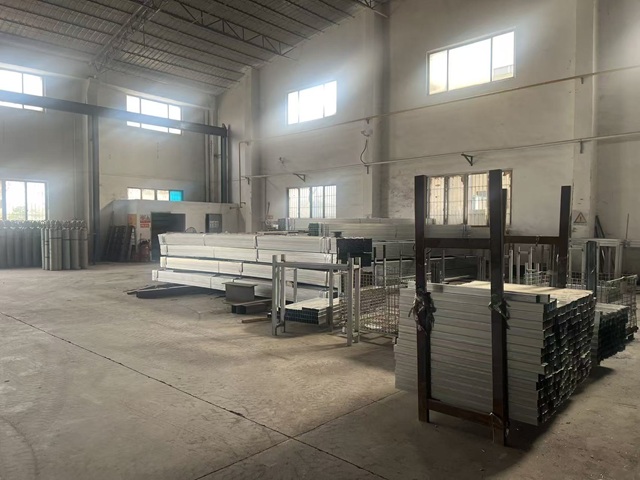
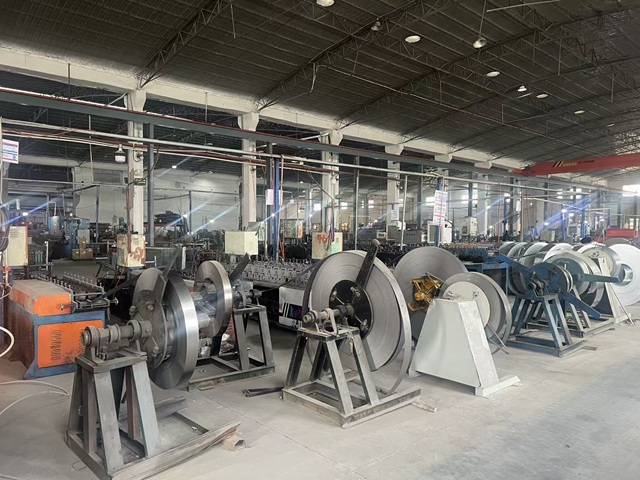
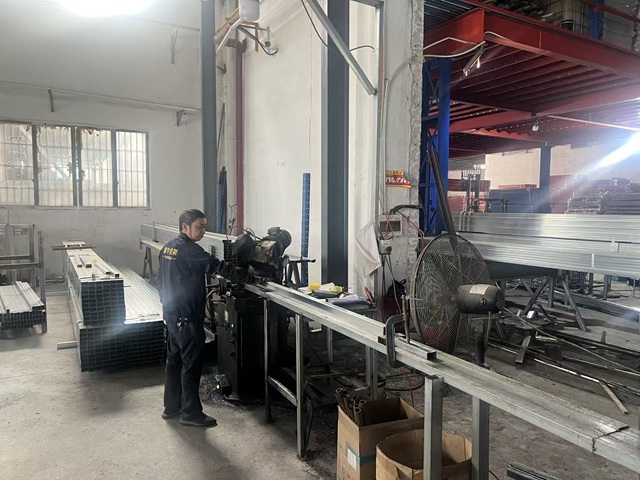
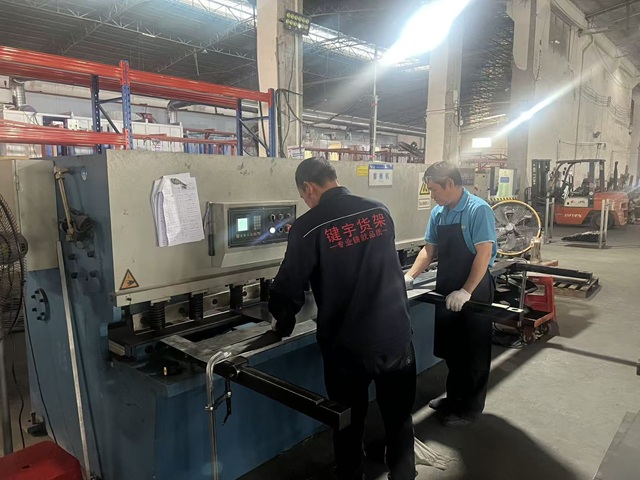
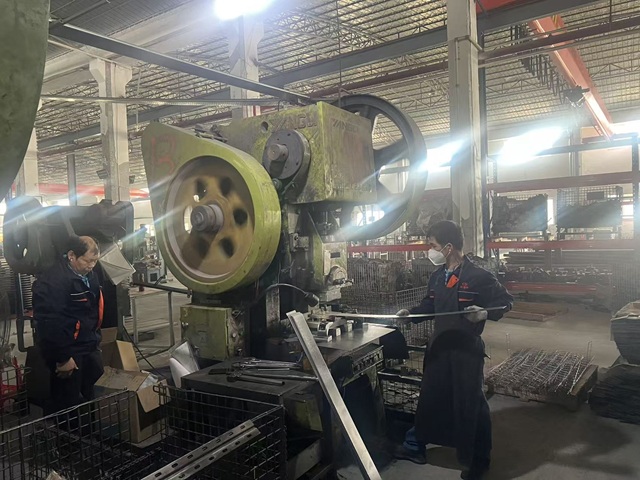
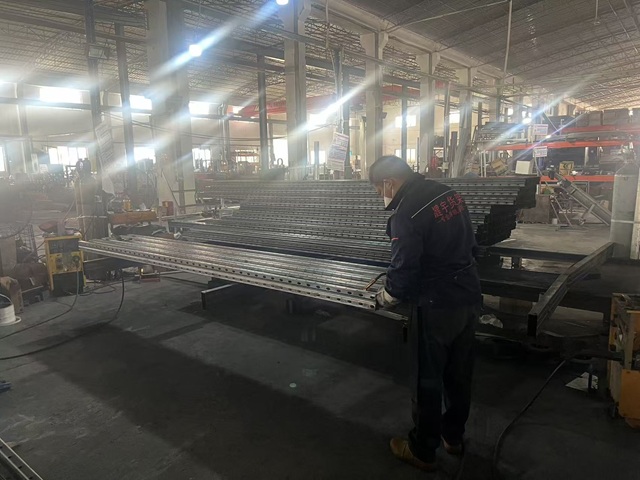
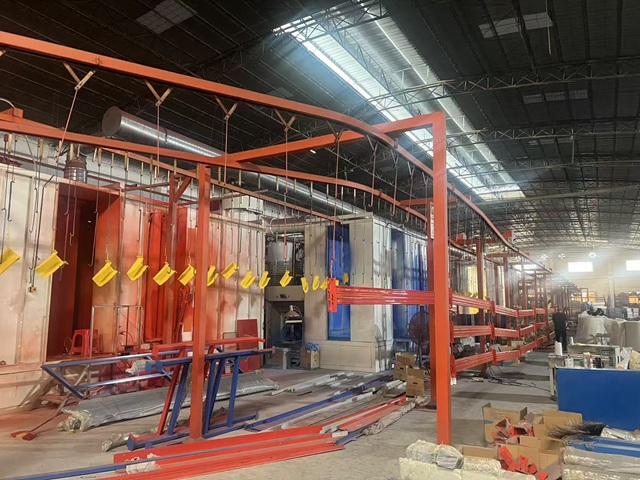
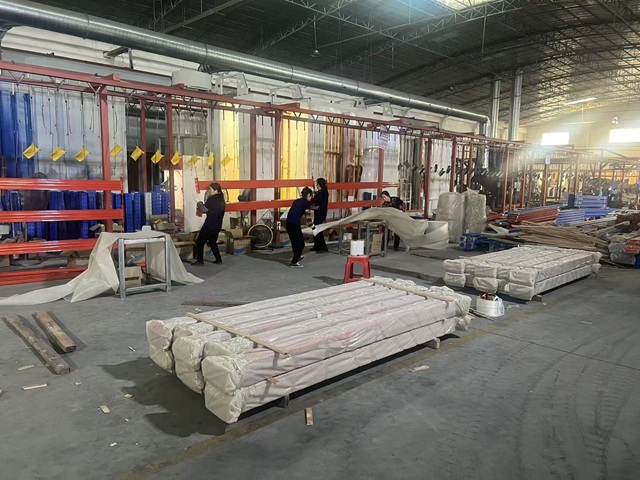
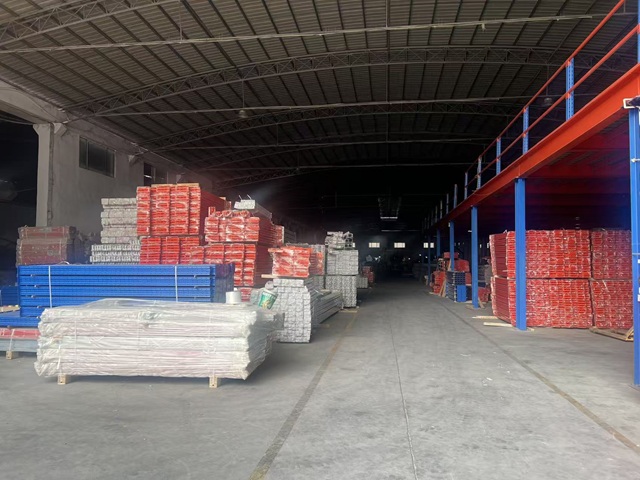
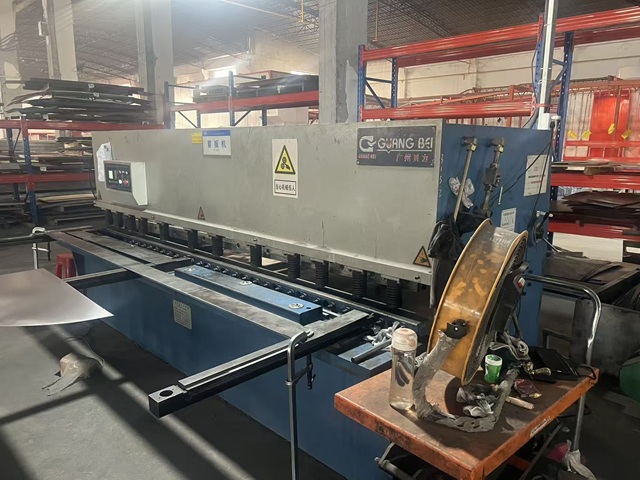
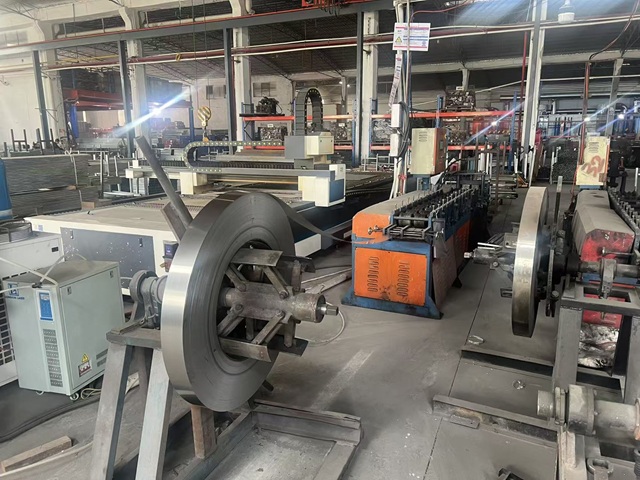
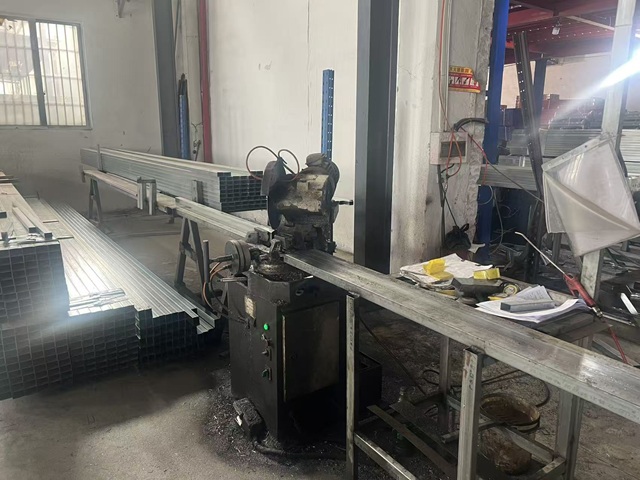
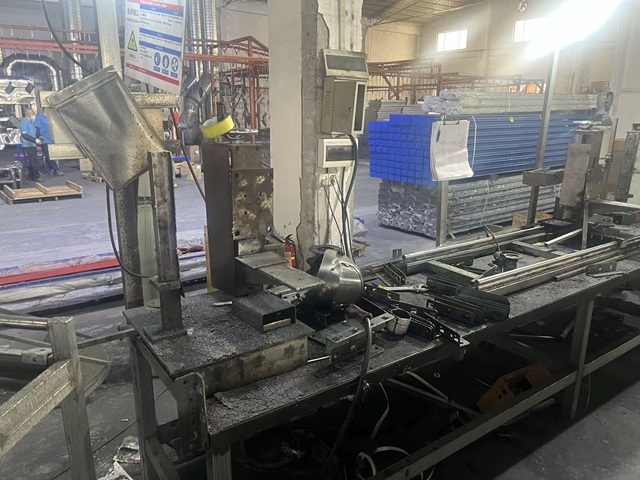
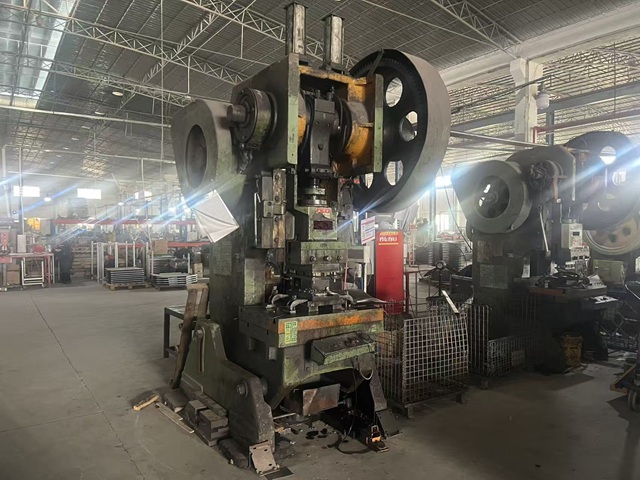
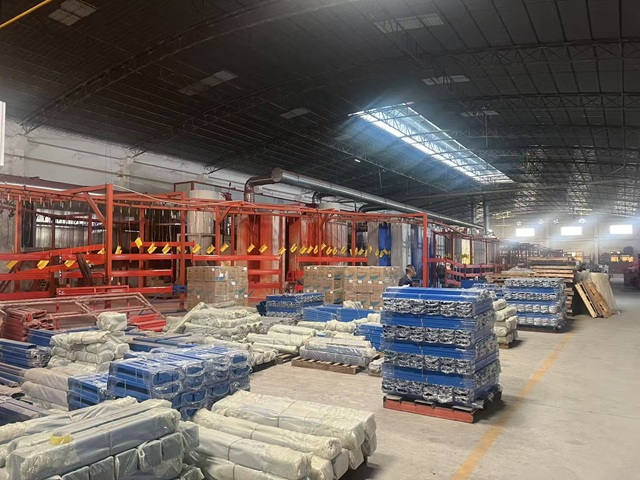
The heavy-duty racking market is shifting from static storage to integrated, semi-automated components. To build highly responsive warehouse ecosystems, manufacturers must focus on:
1. Integration of Structural Design with AS/RS: Modern setups combine racking systems with stacker cranes and radio shuttles. These applications demand high structural straightness and low deflection tolerances, as even minor misalignments can disrupt automated sensor paths.
2. Smart Racking and Sensor Arrays: Racks are increasingly fitted with integrated strain gauges and tilt-sensors, allowing real-time monitoring of frame stresses. This helps identify structural fatigue or deformation from forklift impacts, warning team members before failure occurs.
3. Green Materials & Circular Supply Chains: Eco-efficiency is key. Using low-carbon steel processes and zinc-free powder coatings helps companies achieve green building credentials like LEED without sacrificing load-bearing safety.
Racking requirements change across regions. In cold-chain logistics (down to -30°C), steel can become brittle. This requires customized alloy steel with high impact properties at low temperatures to avoid sudden fracturing.
For coastal distribution centers, atmospheric salinity can cause rapid corrosion on exposed steel. For these environments, hot-dip galvanizing (HDG) provides long-term protection, ensuring decades of safe operations without finish degradation.
Expert answers addressing the technical aspects, engineering certifications, and project management of high-capacity storage.
We primarily use Q235B and Q355B cold-rolled steel, chosen for their balanced tensile properties and weldability. For low-temperature cold-storage applications, we source specialized steel formulations designed to prevent low-temperature brittleness and ensure structural durability.
All our racking designs undergo load-deflection analysis and structural calculations overseen by our 18 QC engineers. This includes verifying that upright and beam deflections stay within standard-approved limits under maximum loading.
AOI allows us to scan profiles, punch patterns, and welded components automatically. By comparing these scans against digital designs, we can detect and correct small deviations, ensuring components assemble correctly on site.
Yes. We offer customized finishes, including anti-static (ESD) coatings for electronic components and high-durability coatings for wet or high-corrosion chemical storage environments.
Lead times vary depending on design complexity and size, typically ranging between 25 and 40 days. This timeline includes material processing, fabrication, quality assurance checks, and packaging for export.
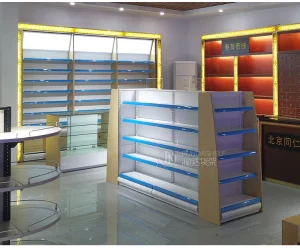
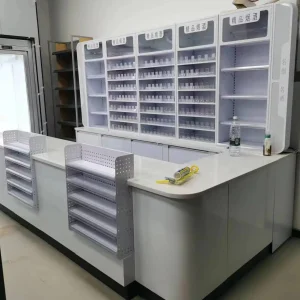
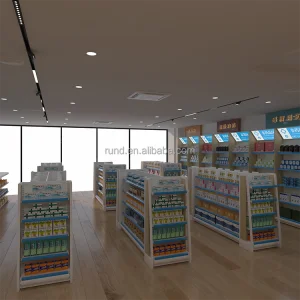
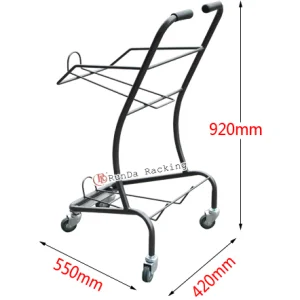
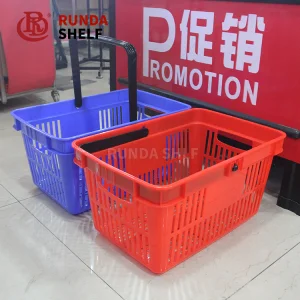
Durable, high-density display and transport equipment designed for supermarkets, pharmacies, and fulfillment facilities.
 EcosystemRack