In the competitive retail landscape, Point Of Purchase Displays play a crucial role in attracting customers. Jack Thompson, a renowned expert in retail marketing, once said, "Effective displays do not just showcase products; they create experiences." This statement underlines the importance of strategically designed displays in influencing consumer behavior.
Point Of Purchase Displays serve as the final persuasion tool in a customer's buying journey. They can capture attention and encourage impulse purchases. Studies reveal that well-placed and visually appealing displays can increase sales significantly. However, not all displays succeed. Many miss the mark by lacking creativity or clarity. Retailers must focus on what truly engages their audience.
It's essential for businesses to continually evaluate their Point Of Purchase Displays. Reflecting on performance and customer feedback can lead to improvements. The key is to create displays that not only attract but also resonate with shoppers. Balancing aesthetics with functionality can drive sales and enhance the overall shopping experience.
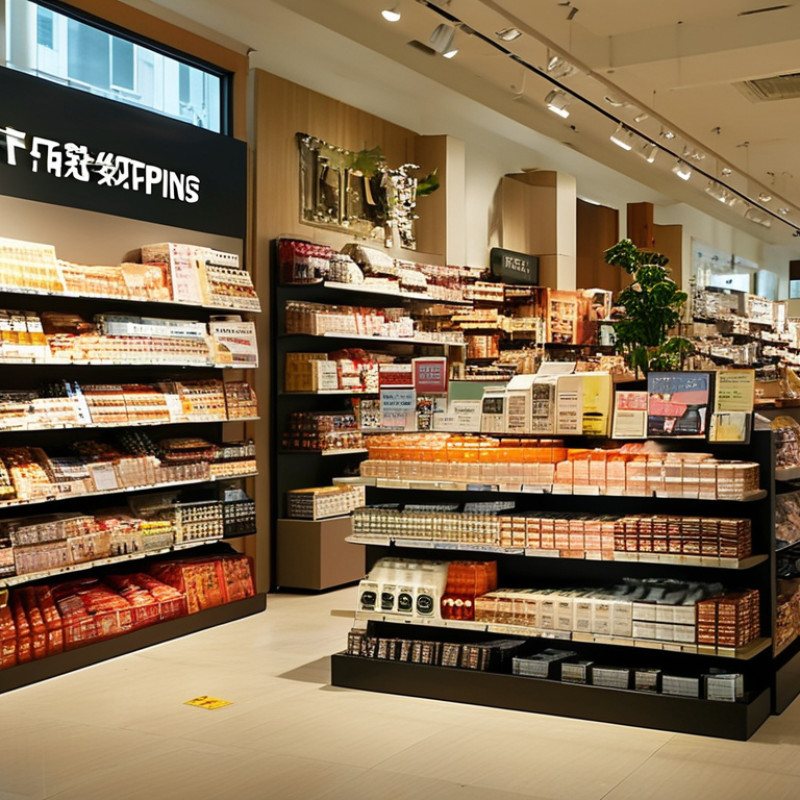
Point of Purchase Displays (POP) play a crucial role in retail. These displays are strategically placed to attract customers' attention at the moment of decision-making. They can significantly influence impulse buying. Well-designed displays can effectively increase product visibility, encouraging sales.
Effective displays are more than just attractive visuals. They should communicate the product’s value clearly. Engaging graphics and concise messaging work best. Consider using digital screens to show promotions or product features. Colors should match your brand yet stand out.
Tip: Keep the layout clean and organized. Cluttered displays confuse shoppers. Limit the number of products highlighted to avoid overwhelming buyers.
Functional displays can incorporate useful information. This could include “how-to” guides or usage tips. It builds consumer confidence in trying new products.
Tip: Regularly update your displays based on sales data and trends. Stagnant visuals can lead to decreased consumer interest.
Investing time in creating and maintaining effective POP displays can lead to a noticeable increase in sales.
Effective point of purchase (POP) displays play a crucial role in driving sales and enhancing customer engagement. One key characteristic is visual appeal. Displays should be eye-catching, using vibrant colors and engaging designs to capture attention. Simple and clear messaging helps customers understand the product quickly. Inadequate or cluttered information can confuse shoppers, leading to missed purchase opportunities.
Another important aspect is strategic placement. Displays should be located in high-traffic areas where they can easily attract customer attention. Consider the behavior of shoppers; placing them near checkout counters or entrance points can increase visibility. However, not all products suit POP displays. Some items may require different merchandising strategies. Analyzing customer preferences is essential for optimal results.
Finally, interactivity can enhance the effectiveness of a display. Incorporating tactile elements or digital screens can foster engagement. Yet, overcomplicating these interactions might frustrate customers. It is vital to balance innovation with simplicity. Continuous testing and feedback are critical for refining these displays. Inconsistent results may indicate the need for further adjustments.
| Display Type | Material | Height (ft) | Color | Key Feature | Estimated Sales Boost (%) |
|---|---|---|---|---|---|
| Counter Display | Cardboard | 3 | Bright Yellow | Interactive QR Code | 25% |
| End Cap Display | Wood | 6 | Dark Brown | 360° Accessibility | 30% |
| Freestanding Display | Acrylic | 5 | Clear with Graphics | Illuminated Panels | 40% |
| Tabletop Display | Plastic | 2 | Vibrant Red | Mobile App Promotion | 20% |
| Window Display | Glass & Metal | N/A | Multi-Colored | Seasonal Themes | 35% |
| Shelf Talkers | Paper | 1 | White | Promotional Messaging | 15% |
| Dump Bin Display | Cardboard | 4 | Bright Orange | Bulk Selling | 28% |
| Gravity Feed Display | Plastic | 3 | Black | Easy Access | 22% |
| Clip Strip Display | Metal | 2 | Silver | Impulse Purchase Focused | 18% |
| Personalized Kiosk | Digital Screen | 5 | Customizable | Tailored Recommendations | 50% |
Point of purchase (POP) displays are crucial in retail settings. They not only showcase products but also enhance customer engagement. Effective POP displays attract attention and encourage impulse buying. Various types can drive sales when implemented strategically.
One popular type is the freestanding display. This format can be placed anywhere in the store. It provides a unique opportunity to highlight seasonal items. However, it's essential to ensure that the display does not overcrowd the space. Otherwise, it may turn customers away.
Another effective option is countertop displays. These are perfect for small items. Positioned at checkout, they increase visibility and accessibility. However, reflections can hinder visibility. Regular assessment can help optimize these displays for better performance.
Always test different designs. Engaging layouts can stimulate interest. Pay attention to colors and graphics that resonate with your target audience. Regularly refresh displays to maintain visual appeal. Remember, the goal is to create a memorable shopping experience that goes beyond just purchasing products.
Creating effective Point of Purchase (POP) displays requires a keen understanding of consumer behavior and design principles. Research indicates that nearly 70% of purchasing decisions are made in-store, highlighting the importance of impactful displays. To capture attention, colors should be bold and complementary, as they significantly influence emotions. Studies show that vibrant displays can increase sales by up to 20%. Additionally, strategically placed signage can guide consumers, making products more accessible and enhancing overall shopping experience.
Designing for visibility is key. Simple, clean designs often outperform complex ones. Cluttered visuals can overwhelm shoppers, leading to decision paralysis. Instead, focus on a clear message that showcases the product's benefits. Height can also play a role; displays should reach eye level to maximize engagement. It's crucial to test different designs and placements in real environments. What works for one product may not suit another. Without continuous iteration and feedback, designs may stagnate.
Finally, incorporating technology can add an interactive element. Touchscreens or QR codes can engage consumers and provide additional product information. Yet, this approach has limitations. Some customers may prefer a more traditional shopping experience. Balancing innovation with simplicity is essential for effective POP displays.
Measuring the impact of point of purchase (POP) displays on sales performance requires a structured approach. Start by setting clear objectives for your POP displays. Are you aiming to increase foot traffic? Or do you want to boost impulse buys? Define what success looks like for your display, as this will guide your measurement strategies.
Analyzing sales data before and after the display is essential. Use point of sale (POS) systems to track changes in sales volume. Compare sales data for specific products featured in the display versus those that are not. This comparative analysis can reveal the effectiveness of the display. Qualitative feedback from customers is also invaluable. Consider conducting surveys or interviews to understand customer perceptions of the display.
Additionally, observe customer behavior around the display. Are customers spending more time engaging with the products? Are they purchasing items more frequently? Eye-tracking technology can provide insights into how well your displays attract attention. However, keep in mind that not all measurements may yield clear insights. Some displays may perform poorly due to factors beyond design, such as store layout or seasonal trends. Reflecting on these aspects helps refine future display strategies for better results.
: An effective POP display should use bright colors and engaging designs. Clear messages are important too.
They should be in high-traffic areas like checkout counters. This attracts more customer attention.
Adding tactile elements or screens can enhance customer engagement. However, too much complexity might frustrate shoppers.
Start by defining clear objectives, like increasing sales or foot traffic. This helps guide measurement efforts.
Analyze sales data before and after the display. Compare featured products to those not shown.
Surveys or interviews can reveal customer thoughts on the display. This feedback is crucial for improvements.
Observe if customers engage longer with products. Increased time spent often leads to more purchases.
Not all factors are design-related. Store layout and seasonal trends can affect display performance, requiring reflection.
Yes, displays may underperform due to various external factors. It's important to analyze these influences regularly.
Balance innovation with simplicity. Continuous testing and feedback help enhance display effectiveness over time.
Point Of Purchase Displays (POP displays) play a crucial role in retail by attracting customers' attention at the point of sale and encouraging impulse purchases. Their importance lies in their ability to create a memorable shopping experience that enhances brand visibility and drives sales. Effective POP displays possess key characteristics such as visual appeal, strategic placement, and clear messaging that engage customers and facilitate decision-making.
To maximize their impact, retailers should adopt best practices in designing eye-catching POP displays, including using vibrant colors, innovative materials, and interactive elements. Additionally, measuring the effectiveness of these displays is essential to assess their influence on sales performance and customer engagement. By understanding and implementing these components, retailers can create compelling Point Of Purchase Displays that significantly boost sales.

EcosystemRack