How to Choose the Best Supermarket Fixtures for Your Store?

Time:2026-08-06 Author:Oliver
0%

Choosing the right Supermarket Fixtures is crucial for any retail store. Renowned retail strategist, Mark Johnson, emphasizes, "The right fixtures can elevate a customer's shopping experience." With the right selection, stores can enhance product visibility and drive sales effectively.

Supermarket Fixtures come in various styles and materials. Each option impacts the store's layout and customer flow differently. It's essential to consider the overall theme of your store. Fixtures must align with your brand identity while also serving practical purposes.

The process can be overwhelming. Many stores face challenges when determining which fixtures suit their needs. Reflecting on priorities, such as space efficiency and customer engagement, can help resolve these dilemmas. Prioritize quality over cost in your decision-making. Quality fixtures yield long-term benefits, both aesthetically and functionally.
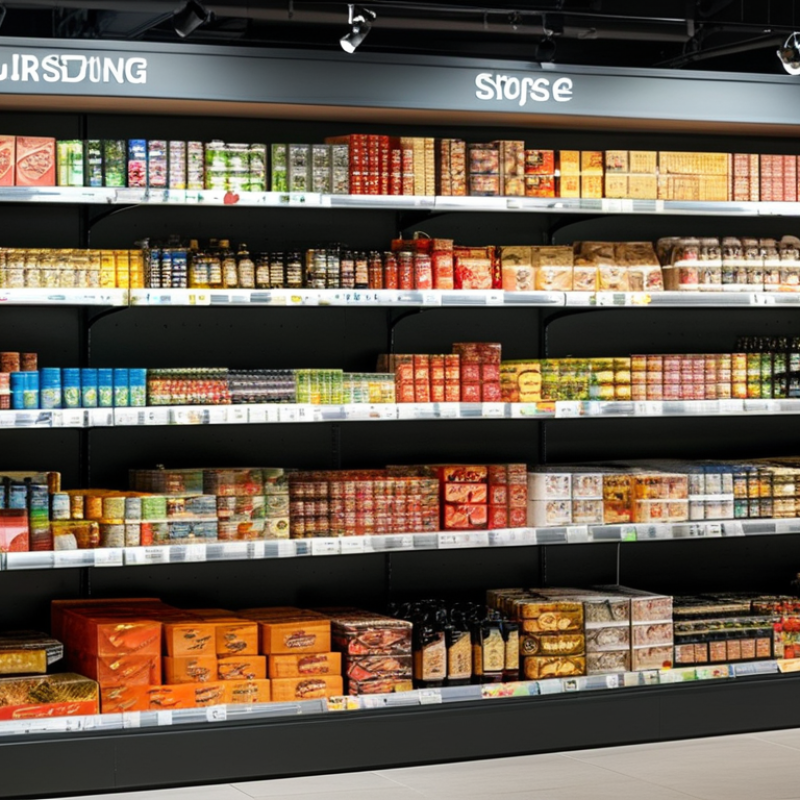
How to Choose the Best Supermarket Fixtures for Your Store?

Understanding Different Types of Supermarket Fixtures Available

When choosing supermarket fixtures, understanding the various types available is crucial. Popular options include gondola shelving, refrigerated units, and display cases. According to a 2022 retail report, 40% of consumers feel more inclined to purchase items displayed on attractive fixtures. This statistic underscores the importance of design and functionality in your selections.

Gondola shelving is versatile and widely used. It allows for easy rearrangement, facilitating seasonal promotions. Refrigerated units, on the other hand, are essential for perishable items. Ensuring these units maintain the right temperature can influence product lifespans—about 50% of food waste occurs due to improper storage. This highlights the need for reliable fixtures.

Tip: Consider the flow of your store layout. A well-planned layout enhances shopping experiences. Display cases should be easily accessible yet strategically placed. Reflect on your current fixtures; are they serving your product display needs effectively? Regular assessments can improve customer engagement and sales. Proper fixture selection shows you value customer experience, fostering loyalty.

Assessing Your Store Layout and Space Requirements

When assessing your store layout and space requirements, it’s crucial to optimize every square foot. According to a report by the National Retail Federation, effective space utilization can improve sales by up to 25%.

Begin by analyzing the flow of customers through your store. Ensure that high-traffic products are easily accessible, while promotional items are strategically placed to entice shoppers.

Consider the dimensions of your fixtures. Shelving that is excessively tall may block product visibility and limit shopper engagement. Industry standards suggest that fixture height should not exceed six feet to cater to shopper ease. Additionally, aisle width is vital. A report from the Retail Design Institute recommends a minimum of 36 inches for comfortable navigation.

Don't overlook the importance of scalable flexibility. You may need to adjust your fixtures as trends shift or sales fluctuate. Sometimes the best layouts come from trial and error. Conduct periodic assessments to determine which fixtures perform well and which do not. This reflective process helps refine your space strategy, aligning it with customer needs and increasing operational efficiency.

Evaluating Durability and Aesthetic Appeal of Fixtures

When selecting fixtures for your supermarket, durability and aesthetic appeal are crucial. Fixtures should withstand daily use while presenting a welcoming environment. Choose materials that resist wear and tear, like metal or high-quality plastic. These can endure heavy loads and frequent cleaning without losing their charm.

Consider the layout of your store. Open shelving can enhance accessibility but may require stronger materials to support inventory. Stylish designs can attract customers, so think about colors and shapes that resonate with your brand. Soft curves can create a friendly vibe, while sharp lines offer a modern look.

**Tips:** Select fixtures that blend well with your store's theme. Sometimes, less popular designs can offer a unique appeal. Test stability before making a large investment. Check for scratches or imperfections, as they can affect customer perception. Prioritizing both aesthetics and functionality can lead to a more inviting shopping experience.

Budgeting for Supermarket Fixtures: Cost Considerations

When budgeting for supermarket fixtures, it's crucial to prioritize the allocation of funds effectively. A report from IBISWorld indicates that supermarket fixtures can account for up to 15% of the overall store setup costs. This percentage highlights the importance of careful consideration in your budgeting process. For example, shelving units and display racks, though vital, can vary significantly in price based on material and design.

Moreover, the average cost for quality supermarket fixtures ranges from $500 to $5,000 depending on the complexity. Investing in durable materials may yield savings in the long run, as frequent replacements can inflate overall expenditure. However, some retailers find themselves blinded by initial pricing, neglecting long-term value. According to a 2022 survey, 29% of store owners regretted their choices due to insufficient research on fixture durability and functionality.

When determining your budget, consider both function and aesthetics. Striking a balance can be challenging but rewarding. For instance, investing in fixtures that enhance customer flow could improve sales. Despite this, it's essential to reflect on past purchases and gather insights from peer reviews. Fixtures that once seemed perfect may not have provided the expected return on investment. Balancing cost with quality and customer experience remains a complex puzzle for many store owners.

Choosing Fixtures that Enhance Customer Experience and Sales

When selecting supermarket fixtures, focus on enhancing customer experience. Fixtures are more than just shelving; they create a shopping environment. A well-designed layout can increase sales by up to 30%, according to industry reports. Open shelving encourages browsing, while closed displays help to highlight special items.

Consider the materials and colors of fixtures. Bright colors can stimulate purchases, whereas neutral tones create a calming atmosphere. The right lighting can also guide customers through the store. For instance, the use of LED lights can increase product visibility and reduce energy costs.

It’s essential to continually assess the effectiveness of fixtures. Customer feedback and sales data should inform fixture placements. Regular modifications based on customer behavior can result in a more engaging shopping experience. Think about how your current setup performs. Are the fixtures helping or hindering sales? Reflecting on this can lead to improvements and better customer satisfaction.

Customer Experience Ratings vs. Sales Performance

FAQS

: What are the main types of supermarket fixtures?

: Common types include gondola shelving, refrigerated units, and display cases, each serving unique purposes.

Why is fixture design important for retail?

Up to 40% of consumers prefer items on attractive fixtures. Design impacts both functionality and customer inclination to buy.

How can refrigerated units affect food sales?

Properly maintained refrigerated units extend food life, reducing waste. Improper storage can lead to significant loss.

What should I consider for an effective store layout?

Optimize space by ensuring high-traffic items are accessible and promotional displays are strategically placed for visibility.

How tall should fixtures be for customer accessibility?

Industry standards suggest fixtures should not exceed six feet to maintain product visibility and prevent shopper frustration.

What is the ideal aisle width for shopping comfort?

Aisles should have a minimum width of 36 inches to allow customers to navigate comfortably.

How can I adjust fixtures to meet changing customer needs?

Regular assessments of your layout can reveal what works and what doesn’t. Adapt fixtures based on sales trends and feedback.

What impact do colors have on customer behavior?

Bright colors can encourage purchases, while neutral tones can create a calming shopping experience.

How does lighting affect product visibility?

LED lighting enhances visibility and can lower energy costs, benefiting both display and customer engagement.

Why is ongoing assessment of fixtures essential?

Continuous evaluation leads to better sales performance and improved customer satisfaction. Reflecting on current setups is key.

Conclusion

When choosing the best Supermarket Fixtures for your store, it's crucial to understand the different types available and how they serve your specific layout and space requirements. Start by assessing your store's layout to ensure the fixtures you select maximize the available space while also promoting an inviting shopping environment.

Durability and aesthetic appeal are essential factors to consider, as these will impact the longevity of the fixtures and the overall shopping experience. Additionally, budgeting for Supermarket Fixtures is vital; understanding cost considerations will help you make informed decisions that align with your financial plan. Ultimately, the right fixtures should not only enhance customer experience but also drive sales, creating a balance between functionality and attractiveness in your supermarket.

Oliver

Oliver

Oliver is a seasoned marketing professional with a wealth of expertise in driving brand awareness and engagement. With a deep understanding of our company's product offerings, he consistently delivers high-quality content that enriches our professional blog. His insights not only shed light on......