In today's fast-paced logistics sector, effective Warehouse Storage Systems are crucial for maximizing operational efficiency. Expert analyst, Dr. Sarah Thompson, states, "An efficient warehouse optimizes space and boosts productivity." Her insights reflect the growing recognition of the importance of strategic storage systems.
Warehouse Storage Systems are not just about arranging products; they encompass a variety of solutions tailored to specific needs. From pallet racking to automated storage, each system has its strengths and weaknesses. Selecting the right one can seem daunting, especially as businesses strive to adapt to changing demands.
Acknowledging the shortcomings in existing systems can lead to significant improvements. Many companies overlook simple adjustments that could enhance their layout. Continuous evaluation and innovative thinking are key to refining these systems. As we explore the best options, remember: the ideal Warehouse Storage System should evolve with the business.
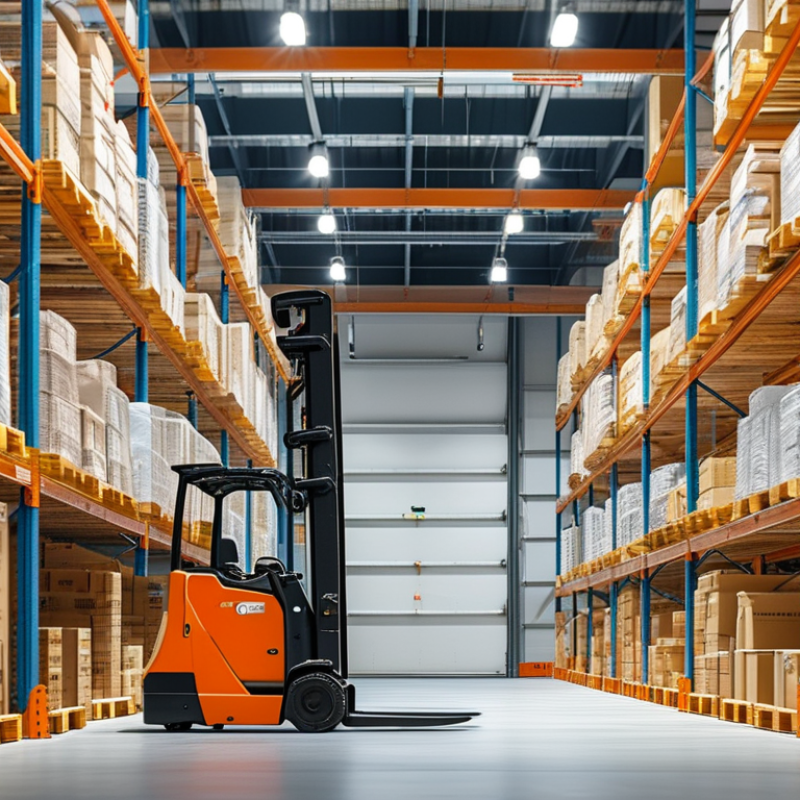
Warehouse storage systems come in various types, each designed to meet specific needs. Implementing the right system helps enhance efficiency and optimize space. Common types include selective rack systems, drive-in racks, and pallet flow racks. Selective racks offer easy access to all inventory, making them ideal for warehouses with varied products. Drive-in racks maximize vertical space, but they can complicate inventory management. Pallet flow racks work well for high-demand items and promote a first-in, first-out inventory method.
Proper planning is crucial when adopting warehouse storage solutions. Analyze your inventory flow and space constraints. This helps you choose the right system. Investing time in layout planning can save costs later. Be careful, though; over-complicating the design might lead to inefficiencies and confusion among staff.
Effective training on the chosen system ensures that employees understand how to use it efficiently. Encourage feedback from warehouse staff during implementation. They have first-hand experience and can highlight potential issues. Remember, even the best systems might fail if not used properly. Regular evaluations of your storage setup can help identify areas needing improvement.
When selecting the right warehouse storage systems, several key factors come into play. An efficient storage solution maximizes space and streamlines operations. According to industry reports, improper storage management can lead to a 30% increase in operational costs. Evaluating your warehouse layout and inventory rotation is crucial. Dense storage solutions may seem attractive, but they can complicate access to fast-moving items.
Understanding material handling equipment is also vital. Different types of racks and shelving can significantly affect workflow. A poorly designed system might result in frequent delays and increased labor costs. Aim for flexible systems that can adapt to changing demands. For instance, adjustable shelving allows quick reorganization, which is essential in a dynamic warehouse environment.
Consider the integration of technology. Automated systems can increase pick accuracy by up to 90%, according to research. However, implementation can be daunting and costly. Reflect on your current needs and future goals. Prioritize systems that offer scalability and compatibility with existing operations. Investing in training for staff is equally important. A skilled team enhances the effectiveness of any storage solution, ensuring a successful transformation of your warehouse operations.
Maximizing vertical space in warehouse storage is crucial for enhancing efficiency. According to a report by the Warehousing Association, effective utilization of vertical space can increase storage capacity by 30% to 50%. This statistic emphasizes the importance of moving upwards rather than spreading out. High-rise shelving systems and pallet racks allow warehouses to make the most of their ceiling height.
Implementing automated storage and retrieval systems (AS/RS) can also greatly improve space efficiency. These systems can utilize tight spaces for storage while minimizing the need for extensive floor space. Data shows that warehouses using AS/RS can achieve a 70% reduction in labor costs related to picking, while simultaneously increasing productivity. However, the initial investment can be substantial. It's essential to evaluate whether the long-term benefits will outweigh these upfront costs.
Despite the advantages, some warehouses struggle with adapting to vertical storage solutions. Employees may face challenges in accessing higher shelves and might require training. Over-reliance on automation can lead to maintenance issues and downtime. Balancing technology with human oversight is essential for a sustainable solution. Prioritizing vertical space can foster a more organized environment, but it requires careful planning and ongoing assessment.
| Storage System Type | Max Weight Capacity | Vertical Space Utilization | Ideal Use Case | Estimated Cost |
|---|---|---|---|---|
| Selective Pallet Racking | Up to 3,000 lbs per pallet | 70% of available height | General warehousing | $1,200 - $2,000 per aisle |
| Drive-In Racking | Up to 5,000 lbs per pallet | 85% of available height | Bulk storage | $1,500 - $2,500 per aisle |
| Cantilever Racking | Up to 1,500 lbs per arm | 80% of available height | Long and bulky items | $2,000 - $3,500 per unit |
| Mezzanine Storage | Variable based on design | Utilizes entire ceiling height | Increased floor area | $15 - $25 per square foot |
| Automated Storage and Retrieval Systems (AS/RS) | Up to 2,000 lbs per bin | 90% of available height | High-volume operations | $100,000 - $1,000,000 total cost |
Automated Storage and Retrieval Systems (ASRS) are revolutionizing warehouse management. These systems use advanced technology to store and retrieve goods efficiently. By employing robotics and software, ASRS minimizes human error and increases the speed of operations. Efficiency is not just about speed; it also includes reducing space waste.
Implementing ASRS requires careful planning and assessment. Warehouses need to evaluate their inventory management practices. Poor organization can lead to inefficient use of the system. Staff training is crucial. Workers must understand the technology to utilize it effectively. A lack of expertise can result in downtime, hindering productivity.
Investing in automated solutions is not always straightforward. Initial costs can be high, and maintenance can pose challenges. Adapting existing workflows to integrate ASRS may require significant changes. These considerations must be weighed against the potential long-term benefits. Companies should conduct thorough evaluations to ensure they make informed decisions. Maximizing efficiency means understanding both technology and human factors.
Efficient warehouse organization is vital for maximizing productivity. Start by analyzing your space thoroughly. Identify high-traffic areas and adjust your layout accordingly. How products are stored impacts retrieval speed. Use vertical space effectively. Shelving units can free up floor space, allowing for smoother movement.
Consider the flow of operations. Place frequently picked items nearer to packing stations. This reduces unnecessary travel time and enhances workflow efficiency. Implementing clear labeling systems improves order accuracy. Workers should quickly identify products and their locations.
Regular audits are essential. They help in assessing storage efficiency and uncovering areas needing improvement. Flexibility in the layout is important as needs change. Regularly seek feedback from staff. Observing their daily challenges can highlight unnoticed issues. Continuous refinement is key to maintaining an effective storage system.
: Common systems include selective racks, drive-in racks, and pallet flow racks. Each serves specific needs.
Proper planning and choosing the right storage system can optimize space and improve workflow.
Assess your inventory flow and space constraints to identify the most suitable storage system.
Effective training helps staff understand how to use storage systems efficiently, preventing errors and confusion.
Utilize high-rise shelving and pallet racks to take advantage of your warehouse's ceiling height.
Automated systems can reduce labor costs significantly and increase picking productivity, but they require a substantial investment.
Accessing higher shelves can be difficult for employees, requiring additional training and careful planning.
Conduct regular evaluations to identify areas for improvement and adapt to changing inventory needs.
Improper management can lead to increased operational costs and inefficient workflows, affecting overall performance.
Flexible systems allow for quick adjustments as demands change, making your warehouse more adaptable in the long run.
When it comes to optimizing warehouse operations, selecting the right Warehouse Storage Systems is crucial. This article provides an overview of various types of storage systems, emphasizing the importance of assessing specific needs before making a decision. Key factors include available space, inventory types, and the desired level of accessibility.
Additionally, maximizing vertical space is highlighted as a key strategy for improving storage efficiency, along with the implementation of automated storage and retrieval systems that enhance accuracy and speed. Best practices for warehouse organization and layout are also discussed, underscoring the importance of creating a well-structured environment that facilitates smooth workflows. Ultimately, the right Warehouse Storage Systems can lead to significant improvements in operational efficiency and productivity.

EcosystemRack