As global buyers seek to optimize their retail strategies, understanding the effectiveness of various merchandising units is crucial. Recent industry reports suggest that well-designed merchandising units significantly enhance product visibility and drive sales. According to a study by the Retail Industry Leaders Association, the right merchandising unit can increase sales by up to 20%.
However, not all merchandising units yield the same impact. Factors such as design, placement, and target audience play pivotal roles. For instance, point-of-purchase displays are particularly effective in grocery stores, where impulse buying accounts for about 70% of purchases. Yet, challenges remain in selecting the right unit for different markets. Some buyers report difficulties in balancing aesthetics with functionality, which can lead to underwhelming sales results.
Merchandising units must adapt to diverse consumer behaviors across regions. While a display may thrive in one market, it could flop in another. This inconsistency highlights the need for buyers to continuously evaluate their choices. Thus, exploring the best merchandising units requires both data-driven insights and a willingness to learn from less successful attempts.
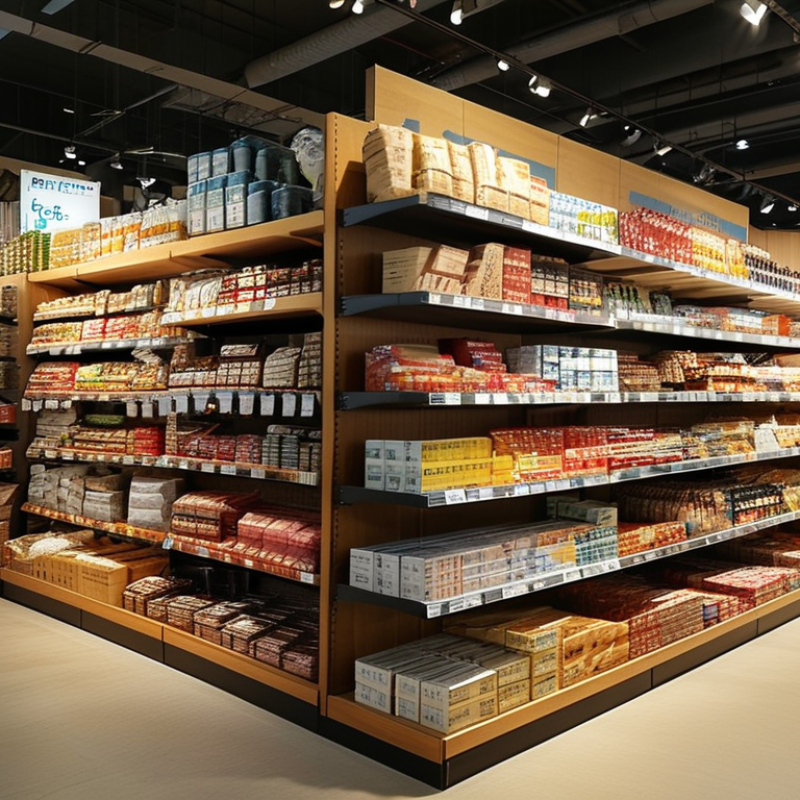
Understanding Merchandising Units in the Global Market
Understanding merchandising units in the global market is essential for buyers seeking competitive advantages. The definition of a merchandising unit is vital. It typically refers to the way products are packaged and presented, influencing consumer choices. According to a report by Statista, retail sales of e-commerce merchandise are expected to exceed $6 trillion by 2024. This insight emphasizes the importance of well-structured merchandising units.
Retailers must focus on how products are displayed. Effective visual merchandising can boost sales by up to 20%, as cited by the Visual Merchandising and Store Design Association. Think about the color schemes and arrangements; they create an emotional response. Buyers should consider seasonal displays. They attract customers and drive impulse purchases, which can be critical for inventory turnover.
Tip: Experiment with different layouts. Small changes can yield significant results. Reflect on consumer behavior and adapt accordingly. Observe what engages your audience.
Merchants must also understand regional differences in product presentation. What works in one country may not resonate in another. Research indicates localization can lead to a 30% increase in customer engagement. It’s essential to test strategies continuously. Collect data on sales patterns to adjust merchandising units effectively.
Tip: Always analyze the effectiveness of your strategy. Are buyers responding positively? Utilize feedback for ongoing improvement.
Key Factors Influencing Buyer Preferences for Merchandising Units
When global buyers evaluate merchandising units, several key factors come into play. A primary concern is the design and functionality of the units. Units must not only be visually appealing but also easy to use. Buyers appreciate clear layouts that maximize product visibility. However, not all units emphasize these aspects effectively. There can be a disconnect between aesthetics and practicality, leading to buyer dissatisfaction.
Another influencing factor is the adaptability of merchandising units. As consumer trends change, flexibility becomes vital. Units that can accommodate various products and displays are more attractive. Buyers often seek solutions that can evolve with market demands. Yet, not all options provide this necessary versatility. Some may fall short, limiting future use.
Durability is also crucial. Buyers prefer units that withstand regular wear and tear. Materials should be resilient, yet some options may compromise quality for cost savings. This trade-off can impact long-term satisfaction. Buyers must carefully weigh the initial investment against potential future needs. In conclusion, understanding these factors leads to making more informed, reliable purchasing decisions in a competitive market.
Top Merchandising Units for Different Product Categories
When considering the best merchandising units for global buyers, understanding the nuances of different product categories is crucial. Research shows that visual merchandising can drive up to 25% of sales in retail environments. For fashion items, mobile displays and mannequins are effective. They allow customers to envision themselves in the clothing, enhancing connection with the product.
For electronics, interactive kiosks prove highly beneficial. According to a recent industry study, they can increase customer engagement by 40%. Shoppers are more likely to purchase when they can interact with the product. This also provides immediate feedback for retailers, allowing for rapid adjustment of merchandising strategies.
Home goods often benefit from lifestyle displays. Such setups recreate a room environment, helping customers visualize how products fit together. However, retailers must ensure that these displays feel authentic. Overly styled settings can alienate practical shoppers. In this diverse merchandising landscape, understanding customer preferences is key. Each product category presents unique challenges and opportunities, making tailored approaches essential.
Top Merchandising Units for Global Buyers
Evaluating Cost-Effectiveness of Merchandising Units for Buyers
When assessing the cost-effectiveness of merchandising units for global buyers, several factors come into play. Understanding the local market dynamics is crucial. Each region presents unique challenges and opportunities. Buyers must evaluate not only the upfront costs but also the potential return on investment.
Effective merchandising units should optimize space and boost sales. Placement within stores influences customer behavior. For instance, end-cap displays might offer high visibility, but they also require careful inventory management. Are they worth the extra expense? Buyers should ask this question. Moreover, seasonal changes can impact merchandising effectiveness. Units that thrive in one season may falter in another.
Investing in high-quality units may seem costly initially. However, durability can lead to long-term savings. If they break easily or need frequent replacements, costs can escalate. Buyers should weigh these aspects. Seeking advice from experienced professionals can help in decision-making. Reliable data on previous sales trends can provide insights. It's essential to keep refining strategies based on performance metrics. Flexibility and adaptability are key to navigating this complex landscape.
Trends in Global Merchandising Units and Buyer Adaptation
The landscape of global merchandising units is rapidly evolving. Recent reports indicate that e-commerce sales account for over 20% of total retail sales worldwide. This shift significantly impacts how buyers approach merchandising. Adaptation is crucial. Buyers now prioritize digital-first strategies. Physical stores are rethinking their layouts and product placements to incorporate online shopping behaviors.
Data from industry analysts highlights a rising demand for sustainable and ethical products. Around 70% of consumers favor brands that demonstrate environmental responsibility. This trend influences product selection in merchandising units. Buyers are pressured to offer more transparent sourcing. They must communicate the story behind each item clearly. However, balancing profitability with sustainability poses challenges. Brands often struggle with higher costs associated with sustainable materials.
Moreover, technology integration is essential. Automated inventory systems and data analytics help optimize merchandising strategies. Reports suggest that companies using these tools see a 15% increase in sales efficiency. However, not all buyers have embraced these technologies. A gap remains, and many still rely on traditional methods. This inconsistency can impact market competitiveness. Understanding these trends is vital for buyers striving to succeed in a dynamic global market.
FAQS
: Design, functionality, adaptability, durability, and cost-effectiveness are primary factors influencing buyer preferences.
Buyers seek visually appealing units that are also easy to use, ensuring product visibility.
Adaptable units can change with consumer trends, making them more attractive for buyers.
Buyers prefer robust units that can withstand wear and tear for long-term satisfaction.
Buyers must consider regional challenges and opportunities in evaluating merchandising unit costs.
Although costly initially, durable units can lead to long-term savings compared to frequent replacements.
Strategic placement influences customer behavior and potential sales, impacting overall effectiveness.
Buyers should evaluate upfront costs against potential return on investment and performance metrics.
Buyers need to assess how merchandising units perform across different seasons and adapt strategies accordingly.
Seeking advice from professionals and researching previous sales trends can provide valuable insights.
Conclusion
The article "What Are the Best Merchandising Units for Global Buyers?" provides an insightful exploration of merchandising units within the context of the global market. It begins by clarifying the concept of merchandising units and their significance in facilitating product presentation and accessibility for consumers. Key factors that influence buyer preferences, such as functionality, adaptability, and aesthetic appeal, are discussed to highlight what makes certain units more desirable in different regions and cultures.
Furthermore, the piece categorizes the top merchandising units based on various product types, emphasizing their cost-effectiveness and overall value for buyers. As trends in merchandising units evolve, the article underscores the necessity for buyers to adapt to changing consumer behaviors and preferences, ensuring that their merchandising strategies remain effective in a dynamic market landscape. Overall, the article serves as a comprehensive guide for global buyers looking to optimize their merchandising approaches.

 EcosystemRack